Sump Pump Repair and Maintenance: Protect Your Basement from Flooding
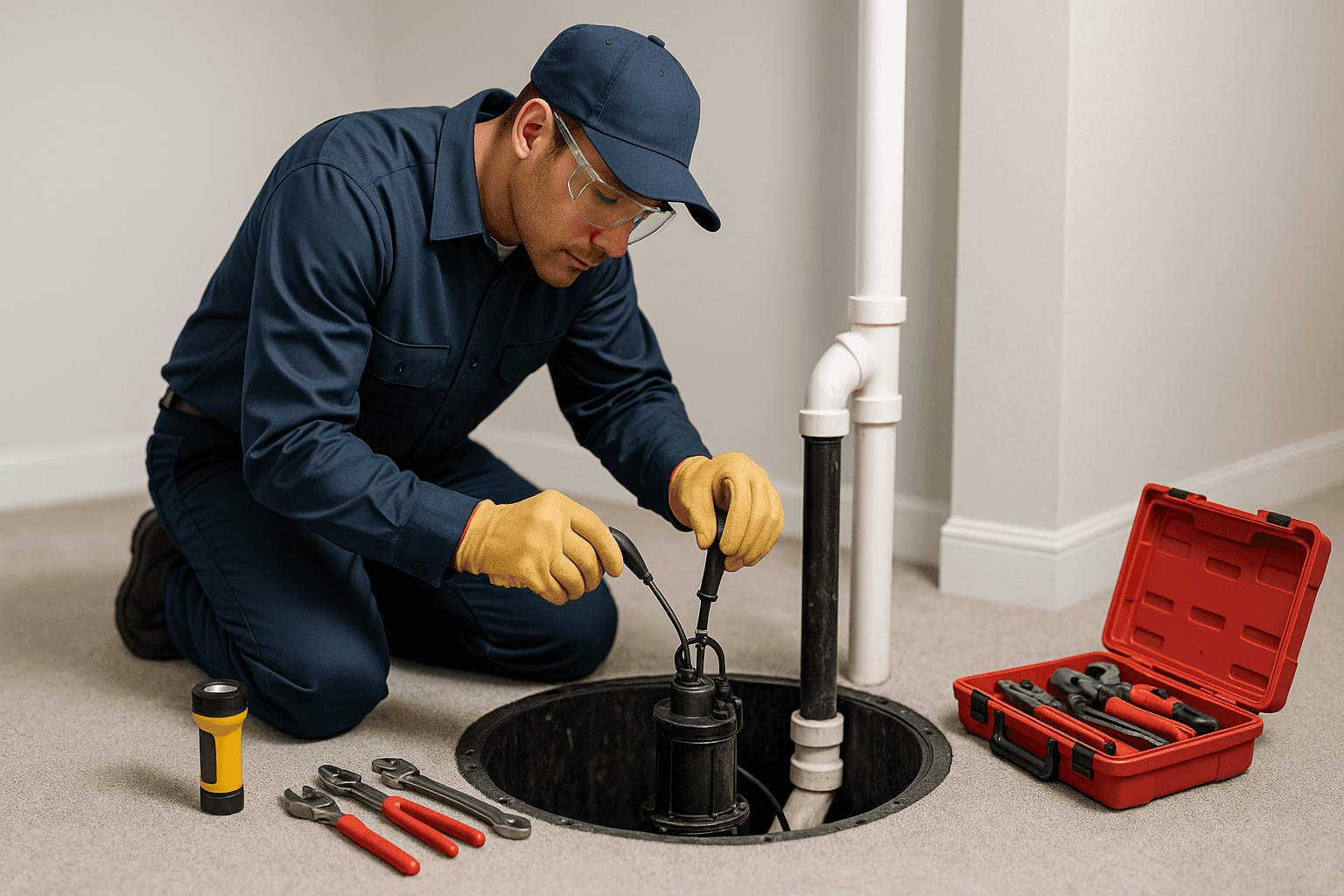
Basements are supposed to be safe, dry spaces—storage for holiday decorations, maybe a place for kids to play, or even your own quiet retreat. But when water starts seeping in, all that changes fast. Sudden storms or a burst pipe can turn your basement into a wading pool. That’s when your sump pump becomes your home’s unsung hero.
At Hancock Plumbing, we handle all kinds of plumbing emergencies—day or night. We know how quickly a simple leak can become a disaster, especially in homes where flooding is a real risk. Here’s what you need to know to keep your basement dry, your valuables safe, and your stress levels down.
Why Sump Pumps Matter 🛠
Imagine your basement as the hull of a ship. When water tries to sneak in, the sump pump is the trusty bilge pump—kicking on to keep you afloat. Every heavy rain, snowmelt, or plumbing mishap puts your basement at risk. Sump pumps quietly move water away from your foundation, directing it safely outside.
But like any machine, they need care. Ignore them, and you’re rolling the dice every time the forecast calls for rain. For homeowners in storm-prone or flood-risk regions, a working sump pump isn’t just a nice-to-have—it’s essential defense.
- Prevents costly water damage
- Protects against mold and mildew
- Guards sentimental items and appliances
- Keeps your foundation strong
Testing Your Sump Pump
You wouldn’t let your car sit for years without a test drive. Your sump pump needs the same attention—especially before storm season.
Here’s a simple test:
- Locate the Pit: Find the sump pump basin in your basement floor.
- Pour Water: Slowly pour a bucket of water into the pit until the float switch rises.
- Watch and Listen: The pump should kick on, draining the water quickly. If it hesitates, makes odd noises, or does nothing—there’s an issue.
- Check Discharge Line: Make sure water is flowing freely outside, away from your home’s foundation.
Don’t Forget These Critical Checks
- Float Switch: This is the heart of your pump’s trigger system. If it sticks or fails, your pump won’t activate. Carefully move it up and down by hand to ensure smooth operation.
- Pit Cleaning: Silt, gravel, and debris collect in the sump pit. Over time, this can jam moving parts. Regular cleaning keeps everything running smoothly.
- Backup Power: Power outages and storms go hand-in-hand. A battery backup or water-powered system can keep your sump pump alive when you need it most.
- Water Alarms: Early warning devices sound the alarm if water reaches a dangerous level—giving you precious time to act.
Common Problems and Solutions
Sump pumps don’t last forever. On average, they work reliably for 7–10 years. But problems can show up sooner, especially if maintenance is skipped.
Most Frequent Issues
- Pump Won’t Start: Could be a power issue, stuck float, or dead motor. First, check the outlet and circuit breaker.
- Runs But Doesn’t Pump: The impeller may be jammed, the discharge pipe is blocked, or the check valve is stuck.
- Cycles On and Off: This rapid cycling often points to a faulty float switch or wiring problem.
- Strange Noises: Grinding, rattling, or humming? It could be debris in the pit, worn bearings, or a failing motor.
Solutions:
- Unplug the unit before any inspection.
- Clean out the pit and remove debris.
- Test the float switch for smooth action.
- Inspect the check valve for clogs.
- If unsure or the problem persists, it’s time for professional help.
When to Call a Professional
Some fixes are simple. Others require tools, experience, and a sharp eye for safety. Never risk your home or safety guessing at repairs.
Call Hancock Plumbing if:
- The pump fails during heavy rain.
- The float switch is broken or stuck.
- You hear electrical buzzing or see sparks.
- There’s standing water in your basement.
- The backup system isn’t working.
Our 24/7 emergency plumbing teams are always ready—because water waits for no one.
Emergency Flood Tips 🚨
If water is already rising, act fast. Here’s what to do before help arrives:
- Shut Off Power: If safe, turn off basement circuits. Never step into standing water while the power is on.
- Move Valuables: Lift boxes, furniture, and electronics to higher ground.
- Check Your Pump: If it’s not running, try resetting or plugging into a different outlet.
- Use Water Alarms: These can alert you before things get out of hand.
- Block Further Flow: Use towels or sandbags to slow water entry around windows and doors.
Remember: Avoid wading into water if you suspect live electrical outlets or gas lines could be submerged. Safety first—always.
Local and Seasonal Considerations
Storms, rapid snowmelt, and even construction nearby can raise your flooding risk. In many regions, spring and late summer bring heavy rains that overwhelm drains and sump pits. If your area is known for flooding or you’ve had basement water in the past, regular sump pump checks should be as routine as changing your HVAC filter.
Stay alert during:
- Thunderstorm warnings
- Sudden warm spells after heavy snow
- Long stretches of rain
Check your pump and pit before the first big storm of the season.
Prevention and Maintenance
A little care goes a long way. Here’s how to keep your sump pump reliable, year after year:
- Test Monthly: Especially before rainy seasons.
- Clean Pit: Remove dirt, gravel, and debris every few months.
- Check Float Switch: Make sure it moves freely and triggers the pump.
- Inspect Discharge Line: Ensure it’s not frozen or blocked outside.
- Battery Backup: Test your system twice a year.
- Schedule Annual Inspection: A plumbing professional can spot wear before it becomes a failure.
For reference, the International Association of Certified Home Inspectors recommends annual maintenance and replacement of pumps every 7–10 years.
Costs & Time Factors
Sump pump service costs can range depending on the issue. Simple maintenance is quick and affordable—often less than an hour. Replacing a failed pump or float switch takes longer, especially if new wiring or backup systems are needed.
- Basic cleaning/check: 30–60 minutes.
- Float switch repair: 1–2 hours.
- Full replacement/installation: 2–4 hours, depending on setup.
Remember, ignoring problems can lead to thousands of dollars in water damage and mold remediation. A little prevention pays off.
When It’s an Emergency
If water is entering fast, or your pump fails during a storm, it’s an emergency. Don’t wait. Emergency plumbing services like Hancock Plumbing are equipped for rapid response—24/7, any day of the year. We bring the tools, parts, and know-how to get your basement back on dry ground.
FAQ
How often should I test my sump pump?
At least once a month, and before storm season hits.
Can I install a backup battery myself?
Some homeowners can, but electrical and plumbing codes vary. Professional installation ensures safety and reliability.
What if my sump pump runs constantly?
This could mean a stuck float, high water table, or a malfunction. Unplug and call for service.
What’s the average lifespan of a sump pump?
Most last 7–10 years with regular maintenance.
References
- International Association of Certified Home Inspectors: Sump Pump Maintenance Guidelines
- National Fire Protection Association: Electrical Safety in Wet Locations
- Local building codes and floodplain management resources
A dry basement means peace of mind and protection for your home. If you need sump pump repair, emergency plumbing, or Water Heater Repair near you, don’t wait for disaster to strike.
Call Hancock Plumbing now — or reach us anytime at 866-565-8061 .