How to Unclog Any Toilet: Homeowner’s Step-by-Step Guide
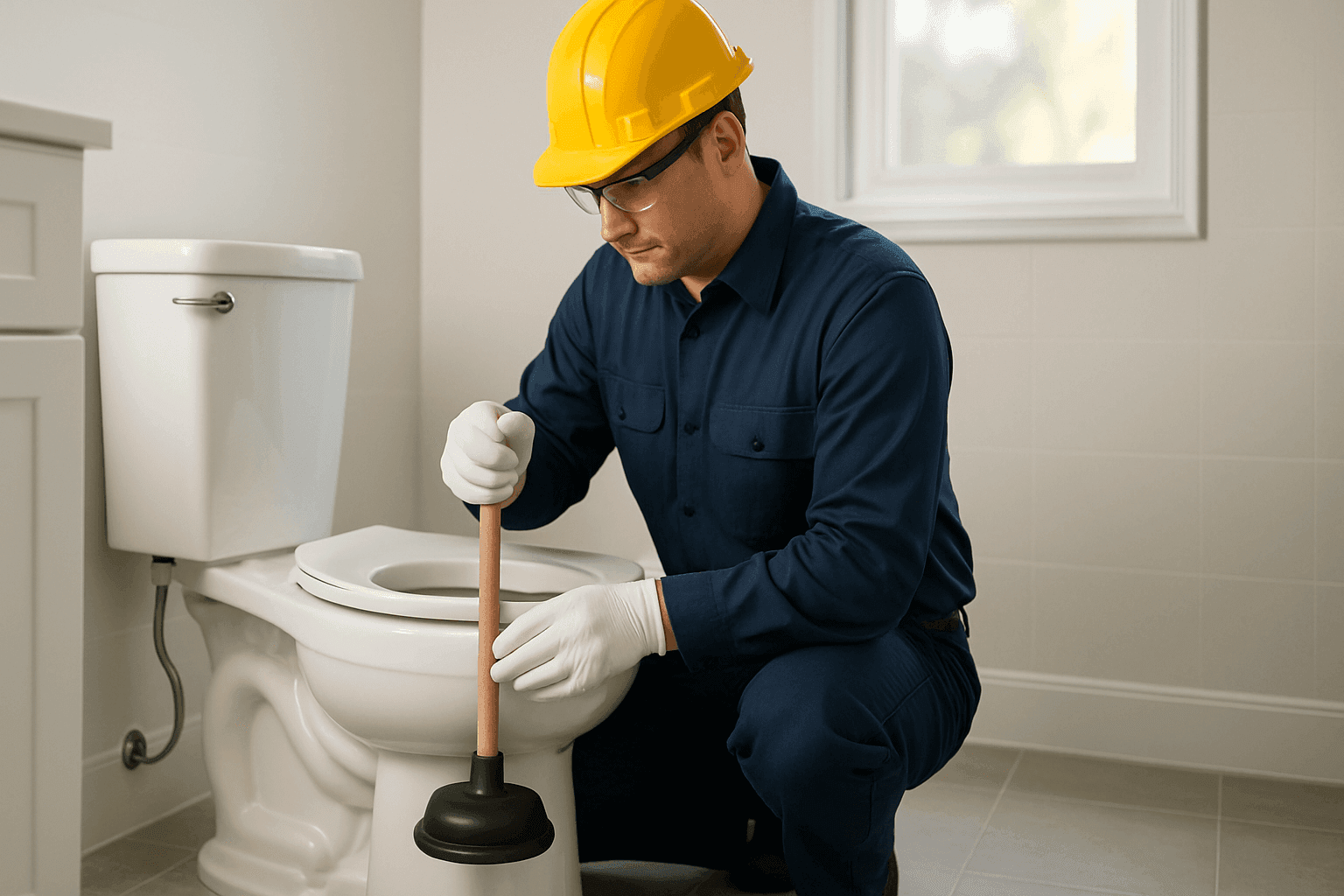
Everyone dreads the moment their toilet starts to fill up instead of flush away. No one wants to stand ankle-deep in trouble, especially when the clock is ticking or guests are on the way. Panic is natural, but with the right steps, you don’t have to let a clog ruin your day.
At Hancock Plumbing, we’ve helped countless homeowners—whether in classic 1920s bungalows or newer builds—tackle these messy mishaps safely and efficiently. Our licensed, background-checked professionals handle emergencies, but this guide empowers you to try simple fixes first.
Assessing the Severity 🚽
Before you grab the plunger, pause. Not all clogs are created equal. Sometimes, it’s just too much toilet paper. Other times, a child’s toy or a deeper sewer issue is the real culprit.
Ask yourself:
- Is the water rising but not overflowing? Stop! Don’t flush again. Wait until water drops to normal.
- Is the bowl draining slowly or not at all? Slow drainage can mean a partial clog or buildup further down the pipe.
- Hear gurgling from other fixtures? That’s a red flag—possibly a main sewer line issue.
- Does your home have older plumbing? Historic homes in our area often have narrower pipes or bends that catch debris more easily.
If you notice odd smells, water backing up elsewhere, or multiple drains acting up, the problem is likely beyond a basic clog. That’s when emergency plumbing help is safest.
DIY Tools & Supplies
With the scene assessed, gather your toolkit. No need for fancy gadgets—just a few essentials:
- Rubber gloves (trust us, you’ll want them)
- Cup plunger (the red bell-shaped kind, not the flat sink version)
- Toilet auger (for deeper blockages)
- Bucket and old towels
- Enzyme-based drain cleaner (never use harsh chemical openers—these can damage pipes, especially in older homes)
Pro tip: Keep baking soda and vinegar handy for minor buildup. But don’t overdo it—too much fizz can make a mess.
Safe Plunging Technique
It sounds simple, but plunging is an art—done right, it can clear most clogs in minutes. Done wrong, it can splash, damage, or do nothing at all.
1. Prep the area.
Lay down towels. Put on gloves.
2. Choose the right plunger.
A true toilet plunger has a flange (the rubber lip) for a tight seal.
3. Form a seal.
Angle the plunger into the drain so water (not just air) fills the cup. The cup should be completely submerged.
4. Gentle start.
Push down slowly to expel air, then pull up. This first gentle push avoids messy splashes.
5. Plunge with force.
Now, pump up and down with steady, firm strokes—about 15–20 times.
6. Watch the water.
If water starts to drain, success! Flush only once to check flow. If not, repeat.
Common Mistakes:
- Using a sink plunger (not enough force or seal).
- Plunging with too much aggression, risking cracks in old porcelain.
- Flushing repeatedly—this can flood the bathroom and make things worse.
Alternatives: Augers and Enzymes 🛠️
Some clogs don’t budge with plunging alone. That’s when a toilet auger (sometimes called a closet auger) comes in handy. Think of it as a plumber’s snake—flexible, designed for toilets, and able to reach deeper into the drain.
How to Use an Auger:
- Insert gently into the bowl drain.
- Crank the handle so the coil snakes through the bend.
- You’ll feel resistance when it hits the blockage—twist and push.
- Pull back slowly, bringing any debris with it.
For organic build-up (like paper, waste, or hair), enzyme-based cleaners can help. Pour, wait overnight, and flush. These are safer for your pipes, especially in homes with aging plumbing.
Never use chemical drain cleaners—they can corrode metal, melt PVC, and dissolve seals, leading to leaks or expensive repairs. The International Association of Certified Home Inspectors warns against them, especially in older systems.
When Professional Help is Needed
Sometimes, a clog is just the tip of the iceberg. If you’ve tried plunging and augering with no luck—or you notice any of the following signs—it’s time to call a licensed plumber:
- Multiple slow or clogged drains at once (could be a main sewer line issue)
- Backups in the shower or tub when you flush
- Unusual noises or persistent foul odors
- Toilet overflows every time you flush, even after clearing the bowl
- Water stains or leaks around the toilet base
For historic homes, remember: pipes may be brittle, connections fragile, and sewer lines made of materials no longer used (like clay or iron). DIY can turn into disaster if pipes crack or joints break. That’s where background-checked professionals like our team at Hancock Plumbing step in safely.
Quick Safety Checklist
- Never use boiling water in the toilet (cracks porcelain).
- Don’t force objects into the drain—can cause worse jams or pipe damage.
- Shut off the water supply if water keeps rising.
- Clean and disinfect tools after use.
- Wash hands and surfaces thoroughly—protect your health.
DIY vs. Call a Pro
DIY:
- Single, recent clog with no history of backups.
- No water overflowing onto the floor.
- Toilet drains after plunging or augering.
Call a Pro:
- Same toilet clogs repeatedly.
- Water backs up elsewhere in the house.
- Old plumbing, cracks, or leaks appear.
- You’re unsure about the cause or repair.
Remember, there’s no shame in needing help. Emergency plumbing is about protecting your home, health, and peace of mind.
What Pros Do on Arrival 🧰
When Hancock Plumbing arrives for a toilet clog, here’s what you can expect:
- We assess the whole system, not just the toilet.
- Use professional-grade augers or hydro-jetting (if safe for your pipes).
- Inspect for deeper problems—like root intrusion or collapsed sewer lines—using camera equipment.
- Repair or replace damaged pipes, connections, or toilets as needed.
- Advise on long-term prevention, especially if your home’s plumbing is vintage or oddly configured.
All work is performed in line with local building codes and safety standards, as outlined by the Uniform Plumbing Code (UPC) and local health regulations.
Prevention & Maintenance
The best clog is the one that never happens. A few habits can keep your toilets running smoothly:
- Only flush human waste and toilet paper—no wipes, cotton swabs, feminine products, or paper towels.
- Teach kids what not to flush.
- Consider a water softener if you have hard water (reduces mineral build-up).
- Schedule regular drain cleaning, especially in older homes.
- Install low-flow toilets carefully; older pipes sometimes struggle with reduced water volume.
For those in historic neighborhoods, ask about camera inspections or preventative maintenance—aging pipes need extra attention.
Costs & Time Factors
Unclogging a toilet with a plunger? That’s usually free, minus elbow grease. But stubborn clogs, older fixtures, or underlying pipe issues can mean more labor.
- Simple DIY fixes: 10–30 minutes.
- Auger use: 30–60 minutes.
- Professional help: Varies—most emergency plumbing calls are resolved within an hour, unless deeper issues are found.
Material costs are low for plungers, augers, and enzymes. But if pipe repairs, repiping, or sewer line work is needed, expect longer timelines and higher costs—especially if excavation is involved.
When It’s an Emergency 🚨
Some problems can’t wait:
- Sewage backing up into your home.
- Water flooding the bathroom uncontrollably.
- No functioning toilets in the house.
- Foul odors suggesting a sewer gas leak.
These are classic “drop everything” moments. Emergency plumbing is available 24/7 for a reason—don’t hesitate to call.
FAQ
Q: What if my toilet overflows every time I flush, but plunging doesn’t help?
A: This could point to a sewer line blockage or an issue beyond the toilet. Stop using all water and call for emergency plumbing help.
Q: Can I pour Drano or chemical openers down my toilet?
A: No. These products can damage pipes, especially in older homes. Use enzyme-based products or call a professional.
Q: Is it safe to use a wire hanger as a DIY snake?
A: Not recommended. Hangers can scratch porcelain, break off, or make the clog worse.
Q: How do I know if my pipes are too old for DIY fixes?
A: If your home is pre-1960s, or if you notice frequent clogs, leaks, or discoloration in water, consult a plumber before trying DIY repairs.
Local/Seasonal Considerations
Older neighborhoods in our region are full of charm—and aging pipes. Clay, cast iron, or even Orangeburg (compressed tar paper) pipes are common in historic homes. These can be easily cracked or displaced by roots, freeze-thaw cycles, or just time itself.
In colder months, pipes are more brittle. Avoid using hot water to clear clogs and watch for slow drains—ice buildup or tree roots may be lurking underground.
Staying proactive with inspections and addressing small clogs early can help you avoid the headache of a winter emergency.
If your toilet troubles won't budge or you're worried about a bigger issue, don't wait for a mess to get worse.
Call Hancock Plumbing now — or reach us anytime at 866-565-8061 .