Emergency Plumbing Guide: What to Do Before Help Arrives
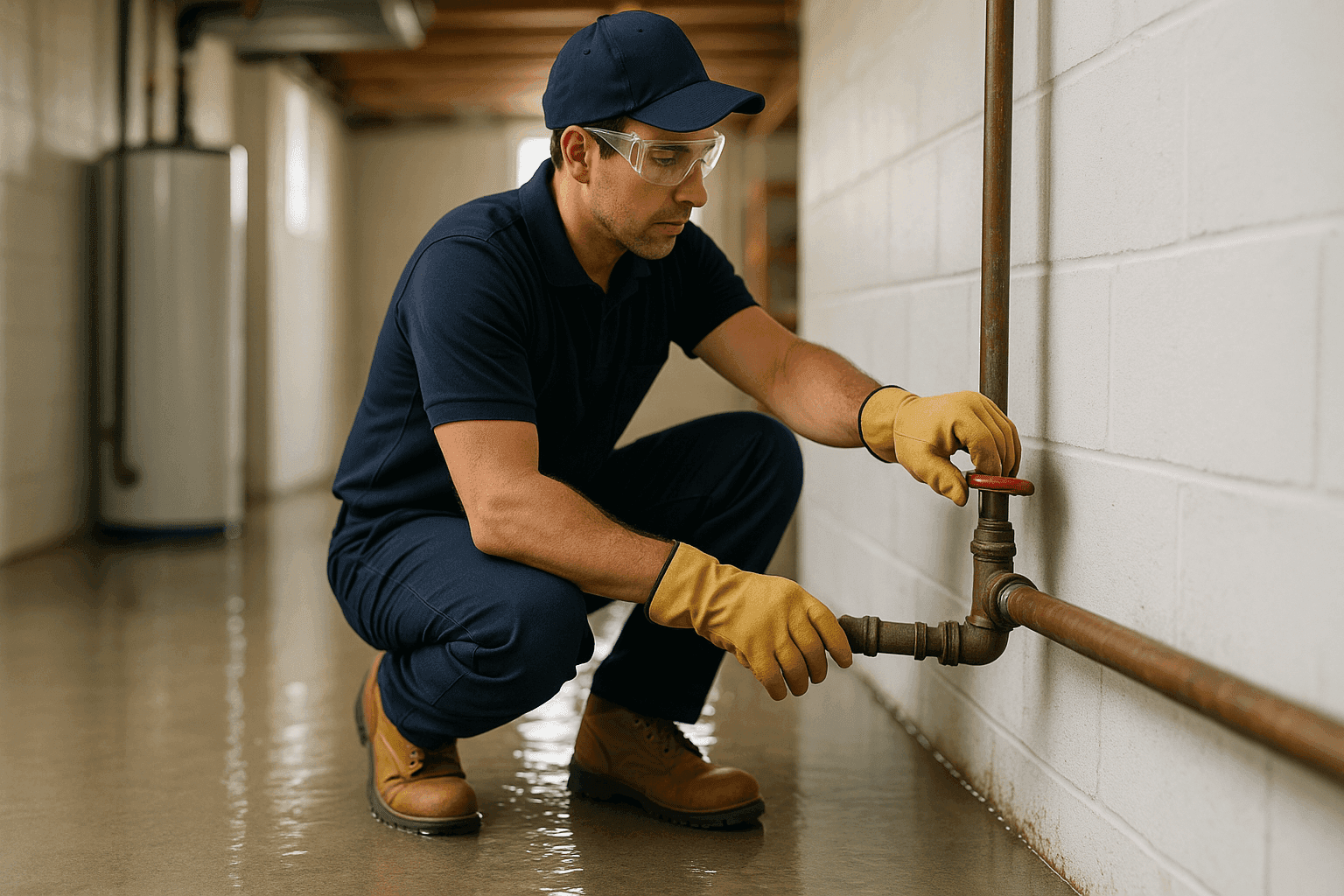
When a pipe bursts in the night or your toilet overflows just before guests arrive, it’s easy to feel overwhelmed. Plumbing emergencies don’t wait for a convenient moment, and quick action can mean the difference between a minor inconvenience and major damage.
At Hancock Plumbing, we know what it’s like to wake up to the sound of dripping water or find your basement suddenly flooded. Our licensed technicians are available 24/7, nationwide, ready to help. But before we arrive, there are steps you can take to keep your home safe and costs in check.
Identify the Emergency 🚨
Not every plumbing issue needs a siren. But some do. Recognizing a true emergency is a bit like spotting a thunderstorm on the horizon—you know when it’s serious.
Common emergency plumbing situations:
- Water gushing from a burst pipe or ceiling
- No hot water, especially in cold climates
- Sewage backing up into toilets, tubs, or sinks
- Flooded basement after heavy rain or a sump pump failure
- Gas leaks (rotten egg smell or hissing near gas lines)
- Water heater leaking or making loud banging noises
If you see water where it shouldn’t be, hear strange noises, or smell gas, treat it like a five-alarm fire—don’t wait.
Ask yourself:
- Is water spreading rapidly?
- Are electrical outlets or appliances getting wet?
- Is anyone at risk (kids, pets, elderly)?
If you answer yes, it’s time to act.
Shut Off Water Safely
Water can move fast. The first step is to stop it at the source—like closing a gate before a river floods the village.
Main water shutoff valve:
Every home has one. It might be in the basement, crawlspace, garage, or outside by the street. Turn it clockwise (righty-tighty). If you can’t find it, look for a round handle or lever near where the main water line enters your home.
- For toilets or sinks: Look for small shutoff valves under the fixture.
- For water heaters: Use the valve on the cold water pipe above the heater.
Safety tip:
If you suspect a gas leak, do not turn anything on or off, and leave the house immediately. Call your gas provider or emergency services from outside.
Winter warning:
If you’re dealing with frozen pipes, don’t try to thaw them with an open flame. Use a hair dryer on low, or wrap with warm towels.
Contain Leaks & Water Damage
Once the water’s off, you’re not out of the woods. Water follows gravity, so act quickly to keep it from spreading.
- Buckets and towels: Place them under drips or leaks.
- Move belongings: Get rugs, electronics, and furniture out of the way.
- Open cabinets: If the leak is inside, open doors to help pipes thaw or dry.
- Switch off electricity: If water is near outlets or appliances, shut off power at the breaker—only if it’s safe to do so.
Think of this as building a dam with sandbags. Every towel or bucket helps.
When to Call a Professional
Some plumbing jobs are like changing a lightbulb; others are more like rewiring the whole house. If you’re unsure, it’s safer (and often cheaper in the long run) to call in professionals.
Call Hancock Plumbing immediately if:
- Water won’t stop, or you can’t find the shutoff valve
- Sewage is backing up (health hazard)
- You smell gas or suspect a leak
- The leak is hidden inside walls or ceilings
- There’s water near electrical panels or outlets
- Your water heater is leaking or making strange noises
- You have no water or hot water at all
We’re always available, day or night, with licensed technicians near you.
What Not to Do ❌
Even with the best intentions, some fixes backfire.
- Don’t use chemical drain cleaners on a clogged toilet or main line—they can make things worse and damage pipes.
- Don’t ignore a gas smell—leave immediately.
- Don’t poke holes in ceilings or walls to “drain” water.
- Don’t try to repair major leaks with duct tape or makeshift materials. Temporary patches are fine, but don’t depend on them.
- Don’t wade into standing water if power is still on.
Plumbing emergencies aren’t the time for improvisation. Some things are better left to licensed pros.
Quick Safety Checklist
- Shut off water main or local shutoff valves
- Unplug or move electrical devices away from water
- Use towels or buckets to contain leaks
- Keep kids and pets away from affected areas
- If gas is involved, get out and call emergency services
- Take photos of damage for insurance if safe to do so
Temporary Fixes While You Wait
Sometimes, a bit of MacGyver spirit can lessen the blow.
- Wrap leaky pipes with rubber (an old bicycle inner tube works) and secure with hose clamps or zip ties.
- Stuff towels around the base of leaking toilets or sinks.
- Prop up sagging ceiling drywall with a broom handle (don’t poke holes).
- Turn on fans or open windows to help dry out rooms.
These are band-aids, not cures—but every minute counts.
DIY vs. Call a Pro
It’s tempting to grab a wrench. But some things are best left to those who do this for a living.
Okay to DIY:
- Tightening a loose faucet or pipe connection
- Plunging a clogged toilet (gently)
- Replacing a showerhead or faucet aerator
Call a pro for:
- Anything involving gas lines or water heaters
- Persistent clogs you can’t clear
- Leaks inside walls, ceilings, or floors
- Sewer backups or foul odors
- Water heater repair near you, especially if it’s leaking or not heating
Remember, a quick fix today should never create a bigger problem tomorrow.
What Pros Do On Arrival
When Hancock Plumbing arrives, our licensed technicians don’t just bring tools—they bring calm to the chaos.
Here’s what to expect:
- Rapid assessment of the problem and source
- Safe shutdown of water, gas, or electrical hazards
- Professional leak detection using specialized equipment
- Temporary repairs to stop further damage
- Clear explanation of what happened, what needs fixing, and your options
- Clean-up and recommendations to prevent repeat issues
We follow National Plumbing Code guidelines and local safety standards on every job.
Prevention & Maintenance
A stitch in time saves nine. The best way to handle a plumbing emergency is to prevent it.
Tips:
- Know where your main water shutoff is—show your family, too.
- Insulate pipes in cold climates to avoid freezing.
- Schedule regular drain cleaning and sewer line inspections.
- Test sump pumps each season, especially before heavy rain.
- Replace old washing machine hoses every 5 years.
- Don’t flush wipes or pour grease down drains.
Ask your plumber about backflow prevention and water filtration systems for extra peace of mind.
Costs & Time Factors
No one likes surprises—especially on the bill. While every emergency is different, here’s what can affect costs and repair times:
- Type of emergency: Burst pipes or sewer backups cost more than a simple clog.
- Location: Repairs inside walls, ceilings, or underground take longer.
- Time of day: Late-night or holiday emergencies may add to travel time.
- Parts needed: Some repairs can be made on the spot; others may require special order parts.
Average emergency repairs range from a quick fix in under an hour to several hours for complex jobs. The faster you act, the lower your risk of costly water damage.
When It’s an Emergency
If it feels like an emergency, it probably is. Trust your instincts.
True emergencies include:
- Fast-spreading water leaks
- Flooded basements after storms
- No hot water during freezing weather
- Gas smells or hissing pipes
- Sewage backups
If you’re unsure, call for advice. It’s always better to be safe than sorry.
FAQ
How do I find my main water shutoff?
Look for a round wheel or lever near where the main water line enters your home—often in a basement, garage, or near the street.
Is it safe to use drain cleaners?
Chemical drain cleaners can damage pipes and are hazardous if water is overflowing. Use a plunger or call for drain cleaning near you instead.
Can I repair a leaking water heater myself?
Minor leaks from the drain valve can sometimes be tightened. But if the tank itself is leaking, call for water heater repair or replacement. Water heaters involve electricity and gas—leave it to a licensed professional.
What should I do if pipes freeze?
Turn off the main water supply. Apply gentle heat (hair dryer, warm towels) to the frozen area. Never use an open flame.
Local and Seasonal Considerations 🏡
Cold climates:
Frozen pipes are a winter hazard. Insulate exposed pipes, keep a trickle of water running during severe cold, and open cabinet doors to let warm air circulate.
Storm-prone areas:
Check sump pumps before the rainy season. After a storm, inspect basements and crawlspaces for flooding.
Older homes:
Watch for rusty pipes and outdated water heaters. Schedule regular plumbing inspections.
Different climates bring different challenges, but the basics remain: act fast, stay safe, and call for help when it’s more than you can handle.
Plumbing problems don’t wait—and neither should you. Call Hancock Plumbing now — or reach us anytime at 866-565-8061 .