Water Heater Repair vs. Replacement: What’s Best for Your Home?
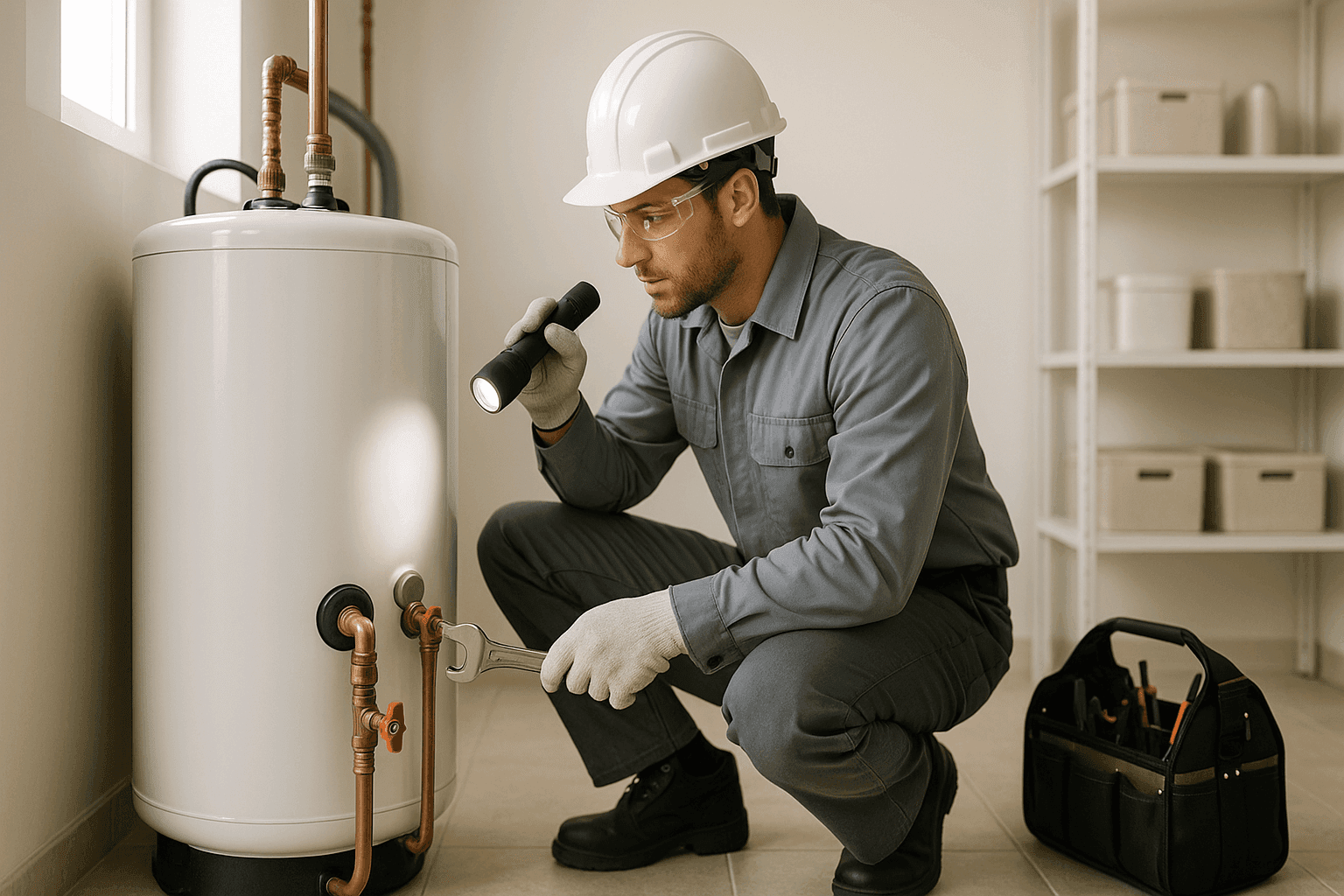
Is your shower suddenly cold? Or maybe you spotted a rusty puddle near your water heater? You’re not alone—water heater problems can pop up any time, and they never seem to wait for a convenient moment.
At Hancock Plumbing, we know how stressful it is when hot water vanishes or leaks appear. The big question: should you repair your water heater, or is it time to replace it? Let’s break down the facts so you can make a smart, budget-friendly decision for your home.
Common Water Heater Problems 🛠️
Water heaters are sturdy, but they’re not invincible. Here are some of the most common issues homeowners face:
- Rusty Water: If your hot water runs brown or reddish, it could mean rust inside the tank or pipes.
- Leaks: Water pooling around the base is a red flag. Leaks often signal internal corrosion or cracked fittings.
- No Hot Water: This can be caused by a broken heating element, thermostat, or even a tripped circuit breaker.
- Strange Noises: Popping or rumbling could mean sediment has built up inside the tank.
- Pilot Light Problems: For gas models, a stubborn pilot light might indicate a faulty thermocouple or gas valve.
- Low Water Pressure: Mineral buildup, especially in hard water areas, can clog lines and restrict flow.
Each of these problems can disrupt your daily routine. Some are quick fixes—others signal a bigger issue.
Repair: What’s Possible
Minor issues often have straightforward solutions. Here’s what can usually be fixed:
- Heating Element or Thermostat: These parts can be swapped out without replacing the entire unit.
- Pilot Light or Thermocouple: Often, cleaning or replacing the thermocouple gets things working again.
- Leaky Valves/Fittings: Replacing a faulty valve can stop a small leak in its tracks.
- Sediment Flush: Draining the tank to remove sediment can restore efficiency and quiet odd noises.
If your water heater is under 8–10 years old (for tank models) or under 20 years (for tankless), repairs often make sense. Most repairs can be completed quickly by a licensed plumber—sometimes on the same visit.
When Replacement Is Smarter
Sometimes, it’s better to swap out your water heater than keep patching it up. Here’s when replacement is the smarter choice:
- Age: Traditional tank water heaters last about 8–12 years. Tankless models can stretch to 20, sometimes more. If yours is near or past these ages, replacement is usually best.
- Rusty Tank or Water: If rust is coming from your hot water taps or you see rust on the tank itself, the metal is likely corroding from the inside out. This can’t be repaired.
- Frequent Leaks: Ongoing leaks often mean the inner tank is failing. Patching won’t hold for long.
- Major Repairs Needed: If the cost of repair is close to half the price of a new unit, replacement is the better investment.
- Low Efficiency: Older heaters lose efficiency over time. Newer models often use less energy, saving you money in the long run.
- No Hot Water, Even After Repairs: If your system can’t keep up, even after service, it’s likely time for a new one.
Think of it like an old car: if you’re spending more time and money in the shop than on the road, it’s time for an upgrade.
Cost Considerations 💸
Money matters. Here’s what to keep in mind:
- Repair Costs: Fixing small parts (like a heating element or valve) is usually affordable. But, major repairs—like replacing a tank or multiple components—add up fast.
- Replacement Costs: New water heaters have a higher upfront cost but often come with better warranties and lower operating expenses.
- Energy Bills: Newer units (especially ENERGY STAR® models) are more efficient. That means lower monthly bills—sometimes enough to offset the initial price over time.
- Local Factors: Hard water can wear out heaters faster, especially in certain regions. High mineral content may mean more frequent replacements, so factor in your area’s water quality.
- Warranty: Most new heaters come with warranties ranging from 6 to 12 years. Older units may be out of warranty, making replacement more appealing.
Always ask for a detailed estimate and compare the long-term costs of repair versus replacement.
Choosing the Right Unit
Picking a new water heater isn’t one-size-fits-all. Here’s how to choose wisely:
- Tank vs. Tankless: Tank heaters are familiar and usually less expensive upfront. Tankless models cost more to install, but they last longer and offer endless hot water—great for big families or homes with high demand.
- Capacity: Make sure the new heater can handle your household’s needs. Too small and you’ll run out; too big and you’ll waste energy.
- Fuel Type: Gas and electric are the most common. Check what’s already installed and what’s available in your area.
- Energy Efficiency: Look for the ENERGY STAR® label or similar certifications. Efficient units can mean hundreds saved each year.
- Local Codes: Some areas require specific types of heaters or certain safety features. Always follow local plumbing and building codes—see the International Plumbing Code (IPC) or your state’s guidelines.
If you’re not sure what fits your home, a licensed plumber can help you size and select the best model for your needs.
Lifespan: Tank vs. Tankless
It’s a little like comparing apples to oranges—both give you hot water, but their “shelf life” is different:
- Tank Heaters: 8–12 years is typical. Hard water can shorten this.
- Tankless Heaters: 15–20 years or more. Less risk of leaks, but annual maintenance is a must.
Regular maintenance—like flushing or descaling—can help either type last longer.
Quick Safety Checklist
Before you do anything, take a moment to stay safe:
- Turn Off Power/Gas: Always shut off the power (breaker) or gas supply before inspecting or working on a unit.
- Water Supply: Turn off the cold water inlet to prevent further leaks.
- Check for Gas Smell: If you smell gas, leave the area and contact emergency plumbing services immediately.
- Read the Manual: Manufacturer instructions include important safety steps.
- Hot Water Burns: Wait for the unit to cool before touching pipes or draining.
Safety first—water heaters aren’t the place for risky shortcuts.
DIY Fixes vs. Calling a Pro
Some small fixes are safe for handy homeowners. But know your limits:
- DIY-Friendly: Relighting a pilot light, checking the breaker, or replacing a simple thermostat.
- Leave to a Pro: Anything involving gas, major leaks, electrical components, or tank replacement.
Water heaters combine water, heat, and (sometimes) gas—a risky trio if things go wrong. If you’re unsure, play it safe and search for “Water Heater Repair near you” or contact a licensed plumber.
What Pros Do on Arrival 🧰
When Hancock Plumbing arrives, here’s what happens next:
- Assessment: We inspect for leaks, rust, faulty parts, or unsafe conditions.
- Diagnosis: Testing electrical, gas valves, and thermostats.
- Repairs or Honest Guidance: If repair is best, we’ll get it done. If replacement is needed, we’ll explain why—no pressure, just facts.
- Code Compliance: All work meets current plumbing and safety codes.
Licensed and insured, we work with all major brands and parts.
Energy Efficiency & Warranties
Modern water heaters are built for efficiency. Here’s why that matters:
- Less Energy Waste: New insulation, smarter controls, and better burners mean less money down the drain.
- Warranty Coverage: New units come with warranties, protecting your investment. Always keep documentation handy.
- Rebates: Sometimes, local energy companies offer rebates for high-efficiency models—ask before you buy.
Replacing an old, inefficient heater can pay off in utility savings within just a few years.
Local and Seasonal Considerations 🌦️
Where you live makes a difference:
- Hard Water Areas: Mineral-rich water can clog and corrode tanks, shortening their lifespan. Annual flushing helps.
- Cold Winters: In colder regions, heaters work harder and may require higher capacity.
- Regional Energy Costs: Gas and electric prices vary—factor this into your choice.
- Building Codes: Some municipalities require permits, expansion tanks, or earthquake straps. Always follow local rules.
Check with your local utility or the Department of Energy for region-specific tips.
Water Heater FAQs
How often should I flush my water heater?
Once a year is ideal, especially in hard water areas. It keeps sediment from building up and improves efficiency.
Is a tankless water heater right for my home?
Tankless units are great for endless hot water and lower energy use, but they cost more upfront. Perfect for homes with high hot water demand or limited space.
What do I do if my water heater is leaking?
Turn off the power/gas and water supply, then call for emergency plumbing help. A leaking tank often means it’s time for a replacement.
How can I tell if my water heater is still under warranty?
Check the label on the unit for the installation date and model/serial number. Most manufacturers offer 6–12 year warranties.
Final Thoughts: Repair or Replace?
There’s no single answer for every home. But if your water heater is aging, leaking, or costing you extra every month, replacement may be more cost-effective in the long run. On the other hand, newer units with minor issues can often be repaired for years of reliable service.
When in doubt, get an honest assessment from a licensed, insured plumber who knows all the major brands and models. Whether it’s a quick fix or a full upgrade, Hancock Plumbing is ready to help—day or night.
Call Hancock Plumbing now — or reach us anytime at 866-565-8061 .