Sewer Line Problems: Warning Signs, Inspection, and Repair Options
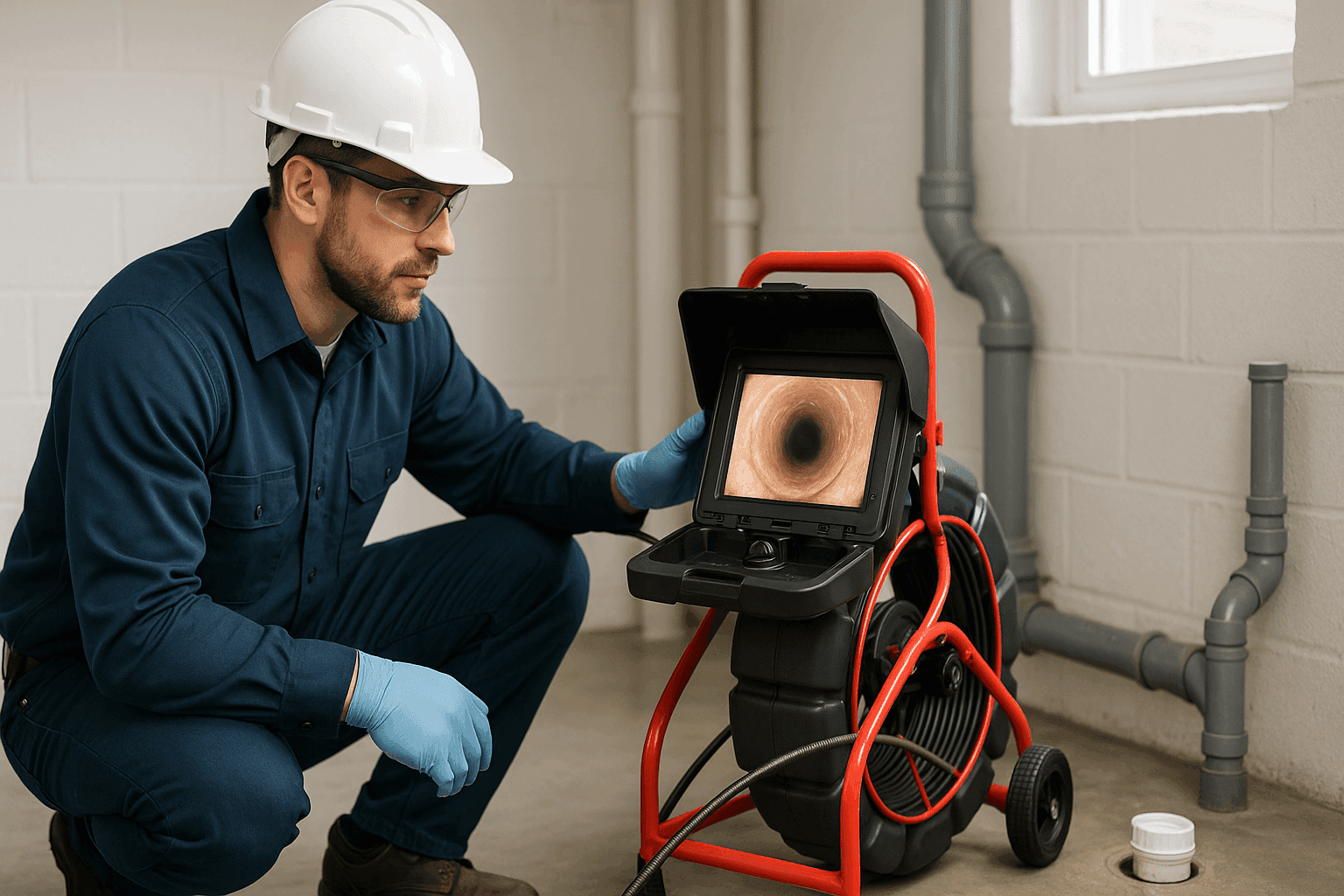
Is your home sending you distress signals? A slow swirl in the toilet. That musty, rotten egg smell creeping into the hallway. Maybe water gurgles up in the tub when you use the sink.
Sewer line problems rarely fix themselves. Ignore them, and you risk a real mess—property damage, expensive repairs, and even health hazards. At Hancock Plumbing, we know what’s at stake. Let’s break down what’s happening beneath your feet, how to catch the warning signs, and what to do next.
How Sewer Lines Fail
Every home’s plumbing is like a nervous system—relying on hidden pipes to carry waste away safely. But just like nerves can fray, sewer lines break down for many reasons. Sometimes, it’s time itself. Pipes in older neighborhoods can be brittle, corroded, or even made from materials no longer considered safe or up to current code (see local building standards and the Uniform Plumbing Code).
Other times, trouble comes from outside. Tree roots are relentless—they search for moisture, slipping into tiny cracks and growing until they clog the line. Shifts in the ground, heavy vehicles parked above, or sudden temperature swings can also mean trouble.
Common ways sewer lines fail:
- Tree root intrusion (especially in neighborhoods with mature trees 🌳)
- Pipe corrosion or collapse
- Grease, wipes, or debris buildup
- Ground shifting or settling
- Poor installation or outdated pipe materials
Warning Signs in Your Home
Sewer problems rarely knock politely. They barge right in. Here’s what to watch for:
- Multiple drains running slow: If more than one drain gurgles or backs up, suspect a main sewer issue.
- Frequent toilet clogs: Not just one stubborn toilet—several, or toilets and tubs misbehaving together.
- Foul smells: Sewer gas has a distinct, unpleasant odor—like sulfur or rotten eggs.
- Water backing up: Water in the basement floor drain, bathtub, or shower after flushing the toilet.
- Soggy patches or lush spots in the yard: Sometimes, the grass above a leak is greener, and the ground feels squishy.
- New cracks in foundation or driveway: Leaking water can shift soil, causing cracks to appear.
Don’t ignore these warnings. Like a check engine light, they mean something deeper is going wrong.
Inspection Methods (Camera, etc.)
Gone are the days of guesswork and digging trenches just to locate a problem. Today’s plumbers use advanced inspection tools to peer inside your pipes without disturbing your yard.
- Camera Inspection: A waterproof camera snakes through the line, showing real-time video of blockages, cracks, or root invasions. Clear as day.
- Smoke Testing: Non-toxic smoke is pumped into the system to pinpoint leaks or illegal connections.
- Dye Testing: Harmless colored dye traces the path of water, helping spot hidden leaks.
- Acoustic Listening Devices: These tools “hear” the sound of running water or leaks deep underground.
At Hancock Plumbing, we’re fully licensed for excavation, but we believe in minimally invasive solutions first. Camera inspections save time, money, and guesswork—giving you answers without the mess.
Repair vs. Replacement Options
Once the problem is found, you face choices. Not every sewer issue means a full replacement.
Repair Options:
- Snaking/Auger: For basic clogs, a professional-grade snake or auger can clear the way.
- Hydro Jetting: High-pressure water jets blast away grease, roots, and debris.
- Spot Repairs: If only a small section is damaged, that part can be replaced without touching the rest.
- Trenchless Sewer Repair: Modern trenchless methods—like pipe bursting or lining—repair or replace pipes with minimal digging. Imagine fixing a broken straw by sliding a new one inside it.
Replacement Options:
- Traditional Excavation: Sometimes, especially with collapsed lines or extensive root intrusion, digging is unavoidable. This method exposes the entire pipe for removal and replacement.
- Trenchless Replacement: When possible, pipe bursting or lining methods can install a new pipe along the path of the old, saving your landscaping and driveway.
Trenchless benefits: Less mess, faster turnaround, and often less expensive than tearing up your yard.
Preventing Future Problems
An ounce of prevention is worth a pound of cleanup. Sewer lines don’t need much, but they do demand respect.
- Don’t flush wipes, paper towels, or hygiene products.
- Keep grease, coffee grounds, and food scraps out of drains.
- Schedule regular drain cleaning—especially in older homes.
- Plant trees away from sewer lines.
- Install backflow prevention devices.
- Request a camera inspection every few years to catch issues early.
Regular check-ups and good habits keep things flowing—so you’re not surprised by an emergency plumbing call at midnight.
When It’s an Emergency
Some sewer problems can wait a day. Others can’t. Call for emergency plumbing if:
- Sewage is backing up into your home.
- You smell strong sewer gas indoors (it’s flammable and dangerous).
- Multiple drains suddenly stop working.
- You notice flooding or major leaks.
Don’t risk your health or property. Quick action matters.
FAQ
Q: What do I do if sewage backs up into my basement?
A: Stop using all water, keep kids and pets away, and call for emergency plumbing right away.
Q: Are sewer repairs covered by homeowners insurance?
A: Sometimes. Insurance may cover sudden, accidental damage, but not gradual wear or root invasion. Check your policy.
Q: How long does sewer repair take?
A: Simple clogs can be cleared in an hour. Major repairs or replacements may take a day or two, especially if excavation is needed.
Q: Can I use chemical drain cleaners?
A: Avoid them. They can damage pipes and rarely solve serious blockages. Professional cleaning is safer and more effective.
Local and Seasonal Considerations
In many neighborhoods, old clay or cast iron pipes are common. These materials are more prone to corrosion and root intrusion. If your home is surrounded by big trees, roots may already be causing problems—even if you haven’t noticed yet.
After heavy rains or rapid snowmelt, ground shifts can stress sewer pipes, sometimes causing cracks or misalignment. Seasonal maintenance checks in spring and fall can catch trouble before it becomes urgent.
Preventing Future Problems
Nothing lasts forever. But with a few smart moves, you can avoid the mess and expense of a sewer emergency.
- Watch what goes down the drain—grease, wipes, and debris are the enemy.
- Know where your sewer line runs, and keep heavy vehicles or new trees away.
- Schedule periodic inspections, especially before buying or selling a home.
- Invest in backflow prevention and regular drain cleaning.
When sewer line problems strike, you need answers fast—and a team ready to act. Hancock Plumbing is here for you, 24/7, with the right tools and know-how for any emergency plumbing need. Have a question, or worried about a warning sign?
Call Hancock Plumbing now — or reach us anytime at 866-565-8061 .