Preventing Frozen Pipes: Winter Plumbing Protection Guide
When the temperature drops, your plumbing can become your worst enemy. Frozen pipes don’t just stop the flow—one crack can unleash chaos, flooding rooms and racking up repair bills you'd rather avoid.
At Hancock Plumbing, we know the damage a single night of cold can do. With years of experience helping homeowners across the country, we’re ready for anything—especially when winter hits hard. Here's your guide to keeping your pipes safe, your water flowing, and your peace of mind intact.
Why Pipes Freeze ❄️
Water is stubborn. When it freezes, it expands—pushing outwards on the pipe, just like a soda can left in the freezer. If the pressure builds, the pipe bursts. Suddenly, you’ve got a waterfall where you least expect it.
But not all pipes are created equal. Materials matter:
- Copper pipes: Conduct cold quickly. More likely to freeze in exposed spots.
- PVC pipes: A bit more resistant to bursting, but still at risk if exposed.
- PEX piping: Handles expansion better, but not invincible.
Freezing happens when:
- Temperatures drop below 32°F (0°C)
- Pipes run along exterior walls or through unheated spaces
- No water is moving (think: you’re away, or overnight)
Once ice forms inside, the pressure can split even the toughest pipe. The result? Emergency plumbing needs and a race against the clock.
At-Risk Areas in the Home
Some places in your home are ice magnets. Here’s where to watch:
- Crawlspaces: Shallow, cold, and often forgotten. Pipes here are the first to freeze.
- Basements: Especially unfinished ones with little insulation.
- Attics: Hot in summer, ice-cold in winter.
- Garages: Pipes along the walls or ceiling can get hit hard.
- Exterior walls: Bathrooms or kitchens against an outside wall are most vulnerable.
Even in mild climates, a surprise cold snap can catch you off guard. One chilly night is all it takes.
Insulation Tips 🧤
Insulating pipes is like giving them a warm winter coat. The better the fit, the less likely they are to freeze.
How to Insulate
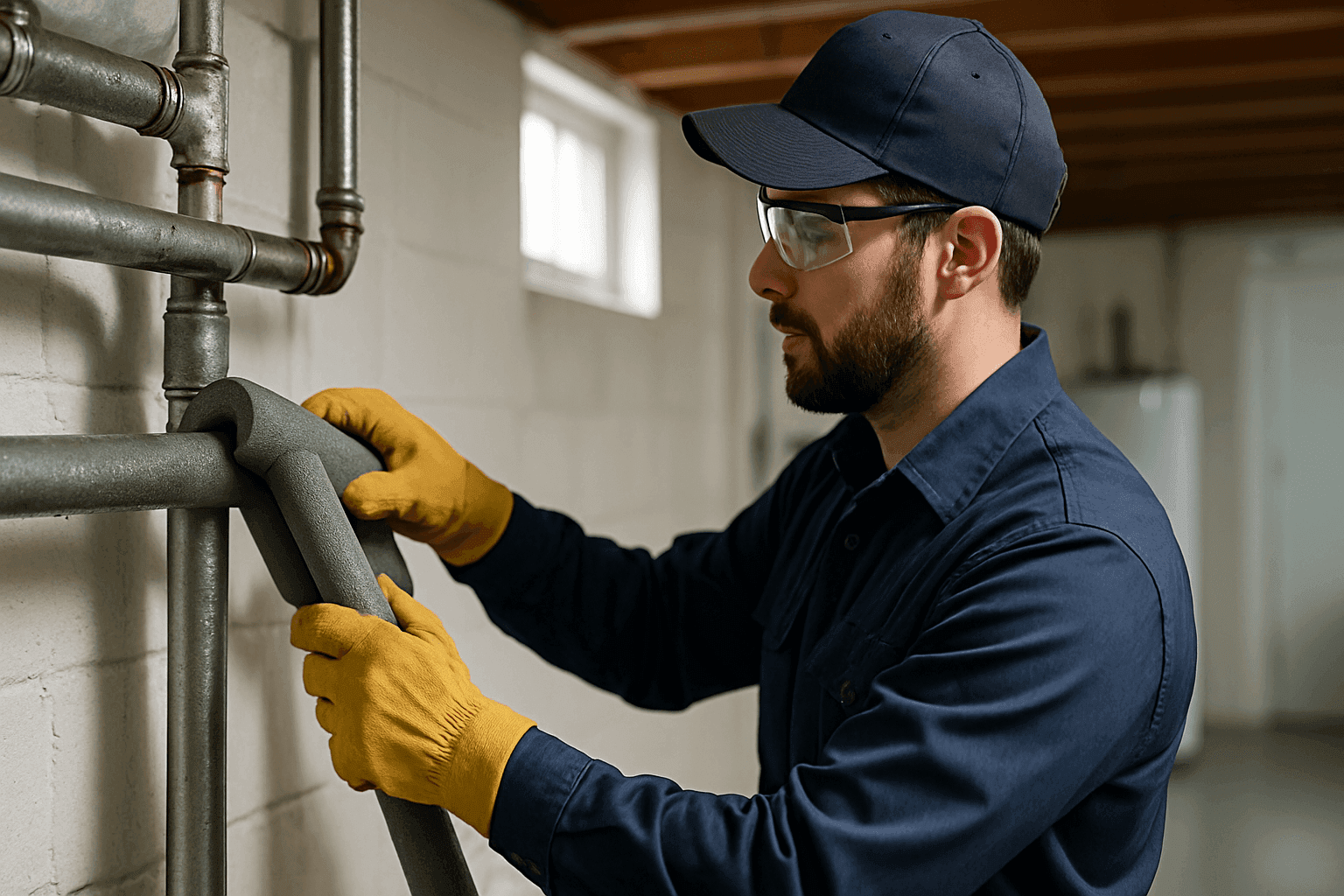
- Foam pipe sleeves: Slide them over exposed pipes in basements, crawlspaces, attics, and garages.
- Fiberglass wrap: Works for oddly shaped pipes or bends.
- Heat tape or cables: For severe cold, these plug in and actively keep pipes warm. Install according to manufacturer’s instructions and local codes (see the National Electrical Code for safety).
- Seal cracks: Use caulk or spray foam to close gaps where cold air sneaks in, especially around holes for cables and pipes.
Crawlspace Protection
Don’t forget the crawlspace! Insulate the walls, not just the pipes, if you can. Seal off any vents that let in winter air—but make sure you’re not blocking necessary ventilation year-round. The U.S. Department of Energy recommends insulating basement and crawlspace pipes in all climates where freezing is possible.
Emergency Steps if Pipes Freeze 🚨
Panic is never practical. If you suspect a pipe has frozen, act fast:
- Turn off the main water supply. This stops more water from flooding out if the pipe bursts.
- Open faucets: Let a trickle run. If water starts coming out, it can relieve pressure as the ice melts.
- Warm the pipe:
- Use a hair dryer, heat lamp, or heating pad on the frozen section.
- Start close to the faucet and work your way back.
- Never use an open flame.
- Check for leaks: Listen for dripping or look for water stains. If you find any, it may be a sign the pipe burst as it thawed.
Signs of a Burst Pipe
- Sudden drop in water pressure
- Wet spots on walls, ceilings, or floors
- Unexplained puddles
- Strange noises when water is running
If you see these, call for emergency plumbing help right away.
Long-Term Prevention
Prevention is always cheaper (and less stressful) than repairs. Here’s how to make frozen pipes a thing of the past:
Before Winter Hits
- Insulate all exposed pipes—not just the ones in the basement, but in attics, garages, and crawlspaces.
- Check outdoor faucets: Disconnect hoses, drain, and shut off valves.
- Service your water heater: Reliable hot water helps keep pipes warm and prevents failures. Schedule regular water heater repair near you before cold weather.
- Seal air leaks: Around windows, doors, cable holes, and where pipes enter the house.
When It’s Freezing
- Let faucets drip: A slow trickle keeps water moving and less likely to freeze.
- Open cabinet doors: Under sinks, especially on outside walls, so warm air can circulate.
- Keep garage doors closed: Protect pipes running through or above the garage.
- Set your thermostat: Don’t let temps drop below 55°F, even if you’re away.
In Mild Climates
Think you’re safe? Even areas with warm winters get cold snaps. Insulate pipes in unheated spaces and be ready with emergency plumbing contacts—just in case.
Quick Safety Checklist
- [ ] Water main location known and accessible
- [ ] Exposed pipes insulated
- [ ] Crawlspace and attic checked before cold weather
- [ ] Outdoor hose bibs drained and shut off
- [ ] Dripping faucets on freezing nights
- [ ] Emergency plumbing number handy
DIY vs. Call a Pro
Some steps you can tackle yourself. Insulating pipes, opening cabinet doors, or letting faucets drip are easy wins. But if you notice:
- Water stains or mysterious puddles
- No water flow from taps
- Hissing or banging in the walls
- Signs of a burst pipe
It’s time to call in the pros. We have tools to thaw pipes safely, inspect for hidden leaks, and repair damage fast—before things spiral out of control.
What Pros Do On Arrival
When Hancock Plumbing arrives for emergency plumbing, here’s what to expect:
- Assessment: We'll locate the frozen section, check for leaks, and test water pressure.
- Thawing: Using professional-grade pipe thawers or gentle heat sources, we safely warm pipes—no risk of fire or further damage.
- Leak detection: Advanced tools help us spot even hidden leaks behind walls.
- Repair: We fix burst pipes, replace damaged sections, and restore water flow.
- Advice: Before we leave, we’ll share tips for better protection—tailored to your home.
Prevention & Maintenance
Regular plumbing checkups catch small issues before they turn into disasters. Here’s what you can do:
- Annual inspections: Ask about water pressure, leaks, and pipe insulation.
- Sewer line checks: Winter ground shifts can crack buried pipes. A sewer line inspection catches problems early.
- Water heater maintenance: Hot water helps, but a failing heater can freeze pipes faster.
The International Plumbing Code and local guidelines offer up-to-date standards for pipe insulation and maintenance. Following best practices now saves headaches later.
Costs & Time Factors
Pipe repairs can range from a quick fix to a major project. Factors include:
- Location of the freeze: Easy access means faster repairs.
- Type of pipe: Copper, PVC, and PEX each have unique repair needs.
- Extent of damage: A small split is less costly than a major burst.
- Emergency response: After-hours calls may cost more, but sometimes you can’t wait.
A simple insulation project takes an afternoon. Burst pipe repairs? Hours, sometimes longer if walls or floors need opening. Preventing problems costs far less than dealing with a flooded room.
When It’s an Emergency 🚨
Not all frozen pipes are emergencies. But call for immediate help if:
- Water is gushing or flooding an area
- You can’t turn off the main water supply
- There’s no water at all in your home
- You smell gas (always treat as a top priority)
Quick action limits damage. Hancock Plumbing’s rapid emergency plumbing response is available day or night.
FAQ
How do I know if my pipes are frozen?
If you turn on a faucet and only a trickle (or nothing) comes out, suspect a frozen pipe. Check pipes in unheated areas for frost or bulging.
Can I use a blowtorch or open flame to thaw pipes?
No. Open flames are dangerous and can easily ignite pipes or nearby materials. Always use gentle heat, like a hair dryer or heating pad.
Will my homeowner’s insurance cover burst pipes?
Policies vary. Many cover sudden water damage from bursts, but not if you neglected maintenance. Check your policy for details.
Should I insulate pipes in a mild climate?
Yes! Even in warmer areas, unexpected cold snaps can freeze unprotected pipes. Insulation is cheap insurance.
Local/Seasonal Considerations 🌎
Winter doesn’t play favorites. In the north, deep freezes are a yearly ritual. In southern states, rare cold snaps catch many off guard. No matter your zip code, taking precautions is smart.
- Cold climates: Insulate all pipes, especially in crawlspaces and attics. Consider heat tape for extra protection.
- Mild climates: Focus on pipes in garages, outside walls, and crawlspaces. Be ready for unusual cold spells.
If you travel, ask a neighbor to check your home during cold weather, or use smart tech to monitor temps remotely.
Don’t let winter win. Protect your plumbing, your home, and your wallet. For fast emergency plumbing or water heater repair near you, Call Hancock Plumbing now — or reach us anytime at 866-565-8061 .