Preventative Plumbing Maintenance: Annual Checklist for Homeowners
There’s nothing quite like the panic of a burst pipe or a flooded basement at 2 a.m. Most homeowners don’t give plumbing much thought—until the water’s rising. That’s where preventative maintenance comes in. At Hancock Plumbing, we understand how overwhelming it can feel when things go wrong. But with the right routine, you can avoid midnight emergencies and save money year after year.
With decades of national experience, Hancock Plumbing has seen every plumbing surprise imaginable. Our annual checklist is here to put you back in control—no matter where you live or how unpredictable your weather gets.
Why Maintenance Matters 🛠️
Imagine your home’s plumbing like a circulatory system. Pipes carry water everywhere you need it—kitchen, bathroom, laundry. When something blocks that flow or causes a leak, the whole system suffers. Small problems grow quietly, like a drip behind the wall or a slow drain, and before you know it, they’ve become expensive disasters.
Regular maintenance helps you:
- Spot leaks before they turn into floods
- Extend the life of water heaters and appliances
- Prevent clogged drains and costly backups
- Avoid sudden emergencies that disrupt your life
According to the International Association of Certified Home Inspectors (InterNACHI), routine inspections and maintenance can reduce your risk of plumbing failure by up to 50%. That’s not just peace of mind—it’s real savings.
Monthly and Seasonal Tasks
Some tasks are quick, like a glance under the sink while you’re cleaning. Others need a little more elbow grease. Here’s how to keep your plumbing in shape all year.
Every Month
- Check for leaks: Inspect under sinks, around toilets, and by your water heater. Look for dampness or rust.
- Test water pressure: If your shower feels weak or sinks sputter, it could signal a bigger issue.
- Run water in rarely used fixtures: Keeps traps full and odors away.
- Clean out drain stoppers: Hair and soap build up fast, especially in bathroom sinks.
Every Season
- Spring: After winter, check for burst pipes or frost damage. Clean out gutters and downspouts.
- Summer: Inspect outdoor faucets and hoses for leaks. Make sure sump pumps work before storm season.
- Fall: Disconnect garden hoses, drain outdoor lines, and insulate exposed pipes.
- Winter: Keep cabinets under sinks open on cold nights. Let faucets drip very slowly to prevent freezing.
What to Inspect
A careful eye now prevents headaches later. Here’s where to focus:
- Toilets: Listen for constant running. Check for wobbling or leaks at the base.
- Sinks and faucets: Look for drips, rust, or mineral buildup.
- Showers and tubs: Make sure caulking is intact to prevent leaks behind walls.
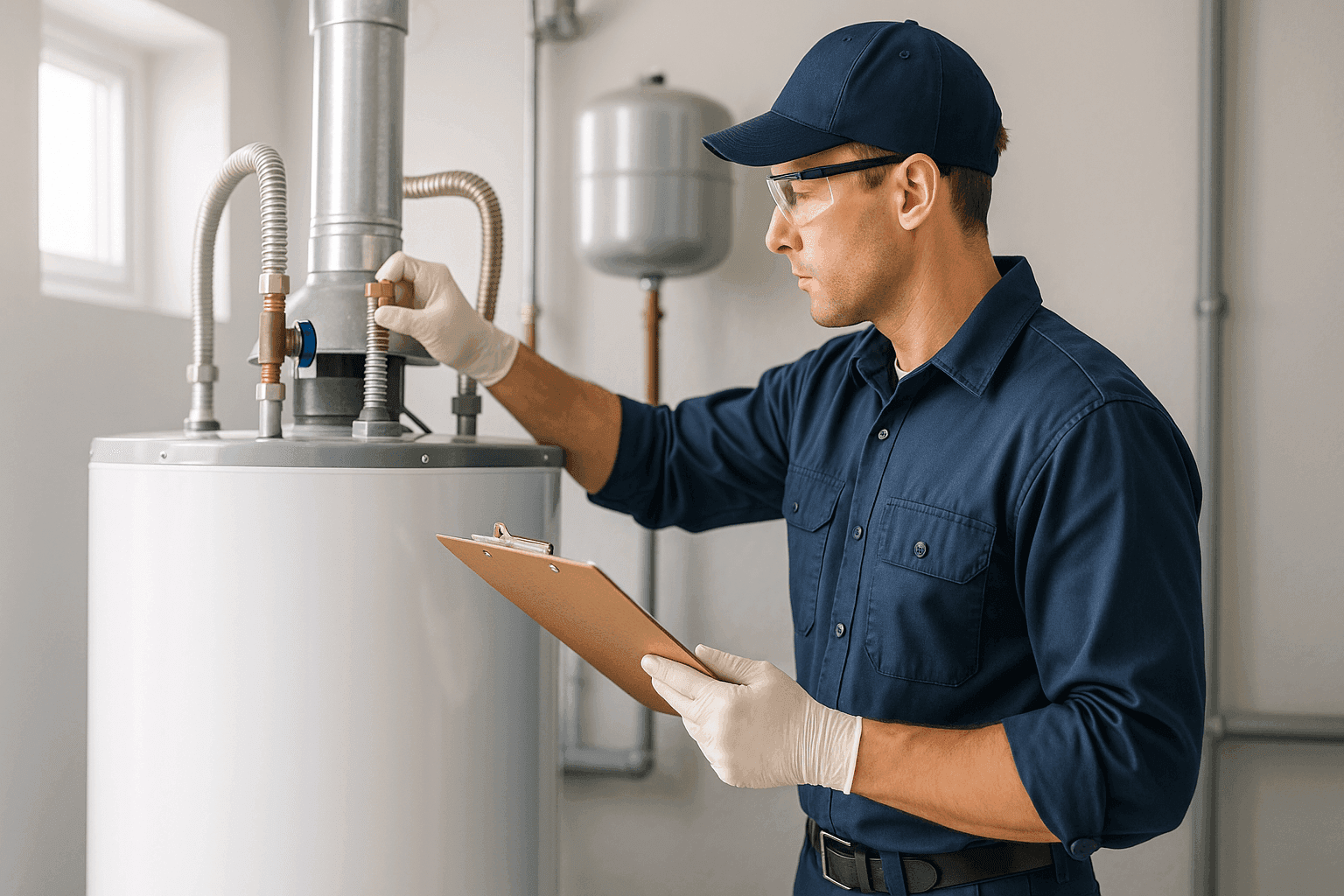
- Water heater: Flush annually to remove sediment, which can cause noisy operation and reduce efficiency.
- Drains: Slow draining could mean a clog forming deep in your system.
- Pipes: Check for signs of corrosion or greenish stains. That’s often a sign of copper pipe issues.
- Appliance hoses: Washing machines and dishwashers are common culprits for hidden leaks.
Professional vs. DIY Checks
There’s plenty you can do with a flashlight and some patience. But sometimes, it’s safer—and smarter—to call Hancock Plumbing. Here’s what separates a homeowner’s check from a pro’s visit:
What You Can Do
- Tighten loose fixtures with a wrench.
- Replace worn washers in leaky faucets.
- Pour a mix of baking soda and vinegar down slow drains.
- Insulate pipes with foam sleeves from the hardware store.
When to Call the Pros
- Emergency plumbing: Sudden leaks, no hot water, or a sewer smell.
- Water heater repair near you: If you notice rust, rumbling, or water pooling beneath the tank.
- Major drain cleaning: Stubborn clogs that don’t budge with a plunger.
- Gas line or safety checks: Always leave this to certified professionals—it’s not worth the risk.
Our team brings specialized tools—like video cameras to inspect sewer lines—and years of training to spot problems you can’t see.
Long-Term Savings 💡
Think of preventative plumbing like regular oil changes for your car. Skipping them might not hurt at first, but over time, the damage adds up.
Benefits of sticking to a maintenance plan:
- Lower water bills: Fixing leaks means money stays in your pocket, not down the drain.
- Fewer emergencies: Scheduled maintenance catches problems early.
- Longer appliance life: Water heaters, dishwashers, and washing machines all last longer with care.
- Higher home value: Well-maintained plumbing is a selling point if you ever move.
According to the Environmental Protection Agency (EPA), the average household’s leaks can waste nearly 10,000 gallons of water a year. That’s enough to fill a backyard swimming pool—and enough reason to stay vigilant.
Local and Seasonal Considerations 🍂
Your maintenance checklist should fit your climate. Hancock Plumbing customizes plans for every region:
- Cold climates: Focus on pipe insulation and winterizing outdoor faucets.
- Humid areas: Watch for mold growth around fixtures.
- Dry zones: Check for mineral buildup in water heaters and faucets.
If you’re not sure what your home needs, our team can help design a plan that matches your weather and plumbing system.
Practical Tips from the Field
- Listen: Strange noises—like banging pipes or gurgling drains—are your house’s way of asking for help.
- Smell: Musty or sewer odors often warn of leaks or vent problems.
- Touch: Dampness under sinks or on walls means it’s time to investigate.
- Act fast: The sooner you address a small issue, the less likely it becomes a major emergency.
FAQ
How often should I flush my water heater?
Once a year is best, according to most manufacturers. This prevents sediment from building up and keeps your hot water flowing efficiently.
What’s the first sign of a hidden leak?
Unexplained water bills, musty smells, or spots on walls and ceilings often appear before you see actual water.
Can drain cleaners harm my pipes?
Yes. Chemical cleaners may clear a clog but can also damage old pipes. Use natural methods or call a professional for stubborn blockages.
Do I need a pro for sump pump maintenance?
You can test the pump by pouring water into the pit, but yearly professional checks ensure it’s ready for heavy rains.
When to Call for Emergency Plumbing
Not every issue can wait for daylight. Call Hancock Plumbing immediately if you notice:
- Water pouring from ceilings or walls
- Sewage backing up into sinks or tubs
- No water or no hot water throughout your home
- Gas odors from appliances or pipes
Our team is always ready, day or night. Your safety is our priority.
Your Annual Plumbing Plan—Peace of Mind for Every Home
Don’t wait for a plumbing nightmare to take action. With Hancock Plumbing’s annual checklist, you’ll catch small issues before they grow, protect your investment, and keep your family safe and comfortable all year long.
Call Hancock Plumbing now — or reach us anytime at 866-565-8061 .