How to Prevent Clogged Drains: Expert Tips for Every Room
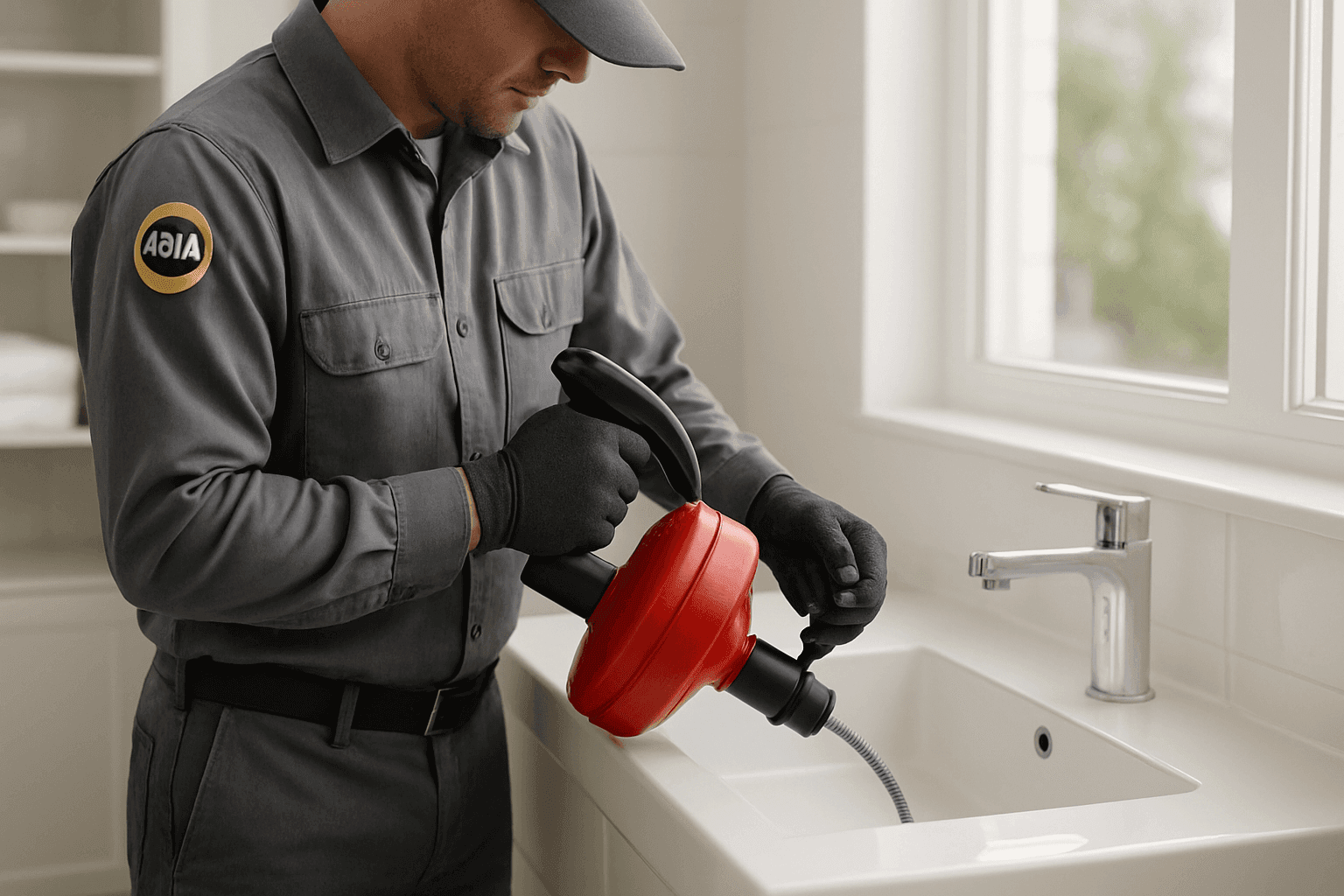
Is there anything worse than water creeping up around your feet in the shower, or a kitchen sink that just won’t empty? At Hancock Plumbing, we know these headaches all too well. When your drains clog, life slows down fast—and that’s why we’ve spent decades helping local families keep their plumbing running smoothly, day and night.
Whether you’re scrambling to avoid the next emergency plumbing call or just want to keep your home in tip-top shape, these practical tips will help stop clogs before they start.
Why Drains Clog 🚫
Clogged drains are like traffic jams for your pipes. One careless move, and suddenly nothing moves at all. But why do they happen?
- Grease & Oil: Pouring grease down the kitchen sink might seem harmless—until it cools and clings to pipe walls like sticky glue.
- Food Scraps: Even the tiniest bits can build up over time, especially in homes without garbage disposals.
- Hair & Soap Scum: In showers and bathroom sinks, these combine to form tangled mats that block water flow.
- Hard Water Buildup: In many regions, minerals like calcium and magnesium slowly narrow your pipes.
- Foreign Objects: Cotton swabs, dental floss, and even “flushable” wipes aren’t so flushable after all.
Small habits lead to big clogs. But with a few changes, you can help your drains last longer and avoid costly repairs.
Kitchen Drain Tips
The kitchen sink is the heart of the home—and the most common site for stubborn clogs.
What goes wrong?
- Grease, fats, and oils get dumped down the drain and harden.
- Coffee grounds, eggshells, and starchy foods like rice or pasta swell and stick.
- Food scraps slip by the strainer and pile up out of sight.
Smart Habits for the Kitchen:
- Always wipe greasy pans with a paper towel before washing.
- Use a mesh strainer to catch food scraps—empty it into the trash, not the disposal.
- Never pour cooking oil or fat down the drain. Collect it in a jar and toss it when full.
- Run cold water for at least 15 seconds after using the disposal to flush debris.
- Once a week, flush the drain with boiling water to melt away minor buildup (unless you have PVC pipes—stick with hot, not boiling, water).
Bonus: Enzyme-based drain cleaners (look for products certified by the EPA’s Safer Choice program) use natural bacteria to “eat” organic buildup. They’re gentle on your pipes and safe for most septic systems.
Bathroom & Shower Drains
Bathroom drains deal with a different breed of clog—think hair, soap, and toothpaste.
The Usual Suspects:
- Long hair, hair products, and soap scum form a messy net beneath your drain cover.
- Toothpaste and shaving cream harden over time, sticking to the sides of pipes.
- Flushing anything but toilet paper—even so-called “flushable” wipes—can lead to quick blockages.
Prevention Steps:
- Install a simple hair catcher or drain screen in tubs and showers.
- Brush hair before showering to minimize loose strands.
- Once a month, remove and clean the drain cover.
- Avoid using caustic chemical cleaners, which can damage pipes and harm the environment.
- For toilets, stick to the basics: only human waste and toilet paper should ever be flushed.
Soap scum tip: Switch to liquid soap or body wash. Bar soaps often leave more residue behind.
Utility & Laundry Drains
Washing machines and utility sinks fight a different battle—lint, dirt, detergent, and the occasional sock.
What to watch for:
- Lint from clothing can slip through the washer’s drain and collect in pipes.
- Detergent residue and fabric softeners create a sticky film inside drains.
- Mud, pet hair, and garden debris from utility sinks pile up quickly.
Best Practices:
- Attach a lint trap (mesh sleeve) to your washing machine’s discharge hose.
- Rinse mud and heavy debris outside before heading to the sink.
- Run hot water down utility sinks after heavy use to help flush out residue.
Laundry day tip: Check hoses and connections regularly for leaks or slow draining—early action prevents big messes later.
Proactive Maintenance 🛠️
Think of your plumbing like your car. A little routine maintenance keeps everything running smoother, longer.
Simple Steps:
- Regular Inspections: Check under sinks, around toilets, and near appliances for leaks or dampness.
- Enzyme Treatments: Use monthly to prevent buildup in kitchen and bathroom drains.
- Clean Drain Stoppers: Hair and debris collect here first—remove and rinse weekly.
- Test Water Pressure: High pressure can wear pipes out faster. Aim for 40-60 psi (check with a gauge from your local hardware store).
- Backflow Testing: Annual checks can prevent dirty water from contaminating your clean supply.
Preventative Service Plans: Professional plumbers like Hancock Plumbing offer scheduled maintenance visits. These catch problems early—before you’re ankle-deep in water on a Sunday night.
Did you know? Local plumbing codes (such as the International Plumbing Code and Uniform Plumbing Code) recommend periodic inspections for older homes and homes in hard water regions.
Local and Seasonal Considerations
Your region’s water supply and weather play a role in how (and when) your drains clog.
- Hard Water: Mineral-heavy water (common in many areas) leaves behind scale that narrows pipes. Consider a water softener or filtration system if buildup is a recurring issue.
- Seasonal Surges: Heavy rains can overwhelm sump pumps and main drains—keep gutters and outside drains clear, especially in the spring.
- Regional Habits: In some regions, using sump pumps or basement drains is common. Don’t ignore slow drains or odd smells—these are early warning signs.
If you’re not sure about your area’s water quality, ask your municipality for a water report.
FAQs
Can I use chemical drain cleaners?
It’s best to avoid them. They can corrode pipes, harm septic systems, and pollute groundwater. Enzyme-based options and mechanical tools (like a plunger or drain snake) are safer choices.
What if I keep getting clogs in the same drain?
Recurring clogs may mean a deeper problem—like a sagging pipe, root intrusion, or a partial blockage in the main line. That’s when it’s time to call for emergency plumbing help.
Does a garbage disposal prevent clogs?
Not completely. Disposals only chop food into smaller pieces—they can’t dissolve fats or fibrous waste. Use them wisely, and always flush with plenty of cold water.
How can I tell if I have a hidden leak?
Watch for unexplained water bills, musty odors, or wet spots under sinks. Leak detection tools can pinpoint issues before they cause damage.
When to Call a Professional
Some plumbing issues are stubborn. If you notice:
- Water backing up in multiple fixtures
- Gurgling sounds in the pipes
- Foul odors coming from drains
- Slow drainage that doesn’t improve after DIY efforts
It might be time for a pro. Emergency plumbing services are designed for exactly these moments—before a small problem becomes a flood.
Final Thoughts
Clogged drains are more than an inconvenience—they’re a warning sign. With a few mindful habits, regular checks, and a little help from the pros when you need it, your home’s plumbing can stay healthy for years to come.
Call Hancock Plumbing now — or reach us anytime at 866-565-8061 .