How to Prepare Your Plumbing for Seasonal Weather Changes
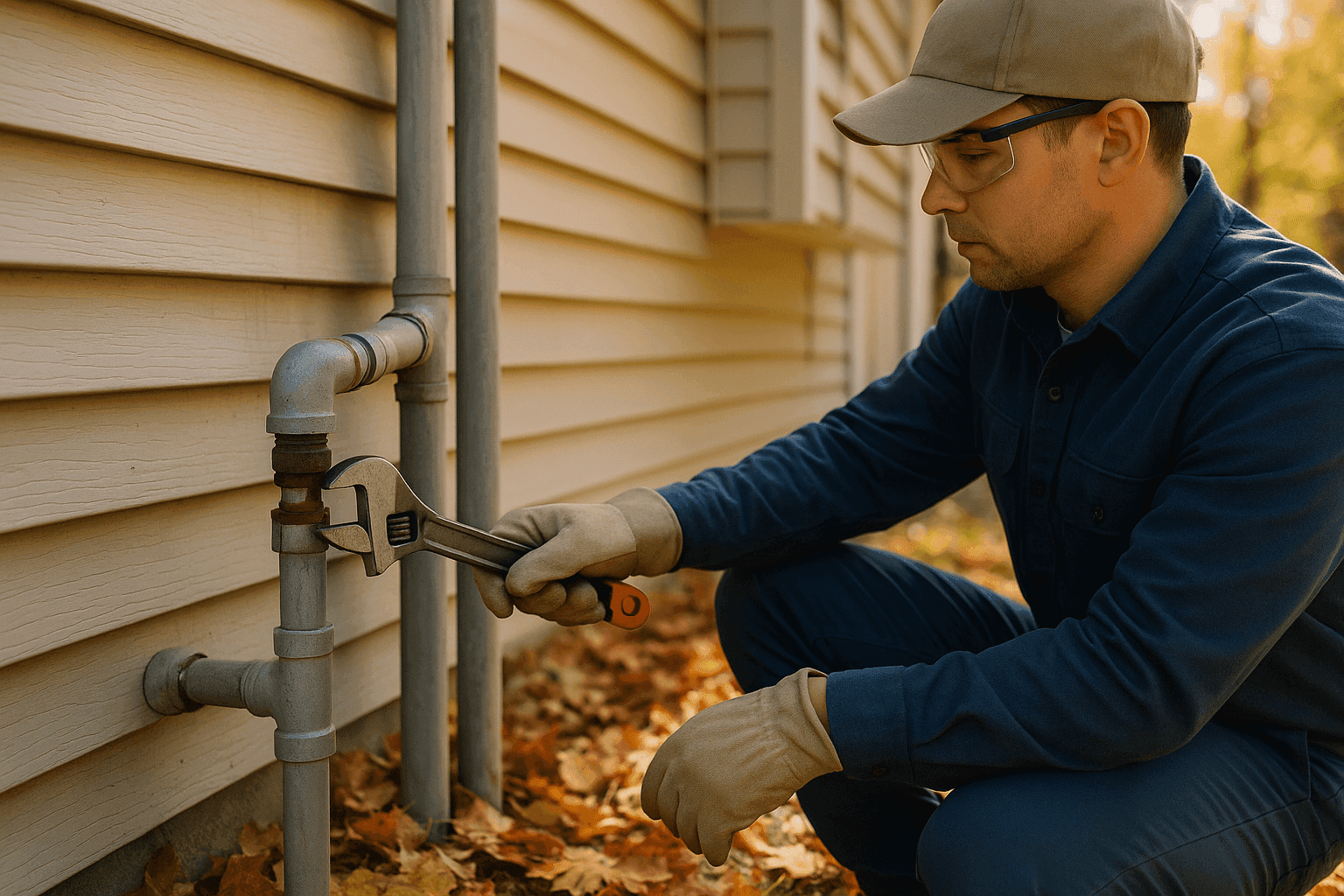
Every season brings new challenges for your plumbing. One month, you’re worried about frozen pipes. The next, heavy rains threaten to flood your basement. If you’re a homeowner or run a small business, you know that a single plumbing mishap can throw your whole day off.
At Hancock Plumbing, we’ve seen firsthand how a little preparation can make the difference between a smooth season and an emergency plumbing nightmare. Let’s walk through what you can do—right now—to protect your pipes, fixtures, and peace of mind.
Why Seasonal Plumbing Maintenance Matters 🛠️
Imagine your plumbing as the circulatory system of your building. It’s mostly out of sight, but if something goes wrong, you’ll know—fast. Seasonal shifts put new pressures on pipes, drains, and water heaters. Ignoring these changes is like driving a car without ever checking the oil.
Here’s why it’s important to stay ahead:
- Prevents costly repairs: Small leaks or cracks often worsen with temperature swings.
- Reduces emergency plumbing calls: Regular checks catch problems before they spiral.
- Extends equipment life: Water heaters, sump pumps, and pipes last longer with care.
- Protects property: Floods, burst pipes, and backflow can cause major damage.
According to the International Association of Certified Home Inspectors, routine plumbing checks are one of the best ways to avoid water damage and keep your building safe.
Preparing Your Plumbing for Winter
Winter can be tough on pipes—especially when temperatures dip below freezing. Water expands as it freezes, turning a tiny crack into a burst pipe in minutes.
Steps to Take Before the First Freeze
- Insulate exposed pipes: Focus on basements, crawl spaces, attics, and exterior walls. Foam sleeves or wrap work well.
- Seal up drafts: Cold air sneaking in can chill pipes. Use caulk or weather stripping around windows, doors, and pipe entry points.
- Disconnect and drain outdoor hoses: Water left in hoses or spigots can freeze and back up into your plumbing.
- Check your water heater: Flush sediment from the tank and set the thermostat to at least 120°F (per U.S. Department of Energy guidelines).
- Know your main shut-off valve: In case of a burst, you’ll want to stop the water fast.
Preventing Frozen Pipes
- Let faucets drip: A trickle of water keeps things moving in extreme cold.
- Open cabinet doors: Allow warm air to reach pipes under sinks.
- Keep the heat on: Even if you’re away, don’t let indoor temps drop below 55°F.
If you spot frost on pipes or notice slow water flow, act quickly. A frozen pipe is an emergency waiting to happen.
Summer Plumbing Care Tips
When the weather warms up, your plumbing faces new pressures. Think heavy rains, root growth, and increased water usage.
Key Summer Tasks
- Inspect sump pumps: Before storm season, test your sump pump by pouring water into the pit. If it doesn’t kick on, it’s time for a repair.
- Clear gutters and downspouts: Clogged gutters can overflow, sending water toward your foundation and basement.
- Check for leaks and corrosion: Inspect under sinks, around toilets, and near appliances. Summer humidity can make small leaks easier to spot.
- Look for slow drains: Hair, soap, and grease build up faster with more frequent showers and cooking. Use a safe drain cleaner or snake if needed.
- Monitor water pressure: High pressure strains pipes and fixtures. If you notice banging pipes or leaking faucets, consider a pressure regulator.
Outdoor Plumbing
- Check irrigation systems: Broken sprinkler heads and underground leaks waste water and can damage landscaping.
- Inspect outdoor faucets: Look for drips or puddles after watering.
Small problems now can become big ones with the next summer storm.
Emergency Steps for Weather-Related Plumbing Issues 🚨
Even with the best planning, emergencies happen. Here’s what to do if you hit a plumbing crisis:
Quick Safety Checklist
- Shut off the main water supply: Know where your valve is and how to use it.
- Turn off electricity near water: If water is near outlets, switches, or appliances, shut off the power at the breaker box.
- Avoid standing water: It may be contaminated or hide hazards.
- Contain the leak: Use buckets, towels, or tarps to minimize damage.
- Call for emergency plumbing help: Fast action limits the fallout.
If you suspect a gas leak, leave the building and contact emergency services immediately. Never try to fix a gas line yourself.
Preventative Maintenance: Protect Your Plumbing Year-Round
Routine checks and a little elbow grease go a long way. Here’s a maintenance roadmap for every season:
Fall
- Test and inspect sump pumps.
- Drain and store garden hoses.
- Check for leaks around windows and doors.
- Schedule a professional inspection for water heaters and boilers.
Winter
- Monitor for frozen pipes.
- Keep an eye on water pressure.
- Watch for signs of leaks in ceilings or walls.
Spring
- Inspect for damage after thawing.
- Clean gutters and downspouts.
- Test outdoor faucets for leaks.
Summer
- Check for root intrusion in sewer lines.
- Inspect irrigation and sprinkler systems.
- Watch for slow drains.
The Plumbing-Heating-Cooling Contractors Association recommends annual inspections to catch hidden issues before they cause trouble.
When to Call Hancock Plumbing
Some jobs are DIY-friendly. Others need a pro’s touch. Call Hancock Plumbing if you notice:
- Persistent leaks or damp spots
- No hot water or strange noises from your water heater
- Sewer odors, gurgling drains, or repeated clogs
- Sudden drops in water pressure
- Frozen, burst, or visibly damaged pipes
Our team handles everything from drain cleaning and leak detection to water heater repair and backflow testing—24/7.
FAQ
How can I tell if my pipes are at risk of freezing?
Pipes most at risk are those in unheated spaces, near exterior walls, or with poor insulation. If you notice frost, bulging, or very slow water flow during cold snaps, take action immediately.
What’s the best way to prevent basement flooding during heavy rain?
Test your sump pump before storm season. Keep gutters and downspouts clear, and make sure landscaping slopes away from your foundation.
Is it safe to use chemical drain cleaners?
Most chemical cleaners can damage pipes over time, especially older plumbing. For stubborn clogs, use a drain snake or call a professional for safe drain cleaning.
How often should I have my plumbing inspected?
An annual inspection is best. But if you notice leaks, pressure changes, or water heater issues, don’t wait—call for help right away.
Special Considerations for Seasonal Plumbing Maintenance
- Older homes: Pipes may be more prone to corrosion and leaks. Extra vigilance is key.
- Businesses: Plumbing sees more use and needs regular checks, especially in kitchens and restrooms.
- Gas lines: Only licensed professionals should inspect or repair gas plumbing. Safety first—always.
Seasonal shifts don’t have to mean plumbing headaches. With a few simple steps and the right support, you can keep your water flowing and worries at bay.
Call Hancock Plumbing now — or reach us anytime at 866-565-8061 .