Pipe Repair or Repiping? How to Decide for Your Home’s Plumbing
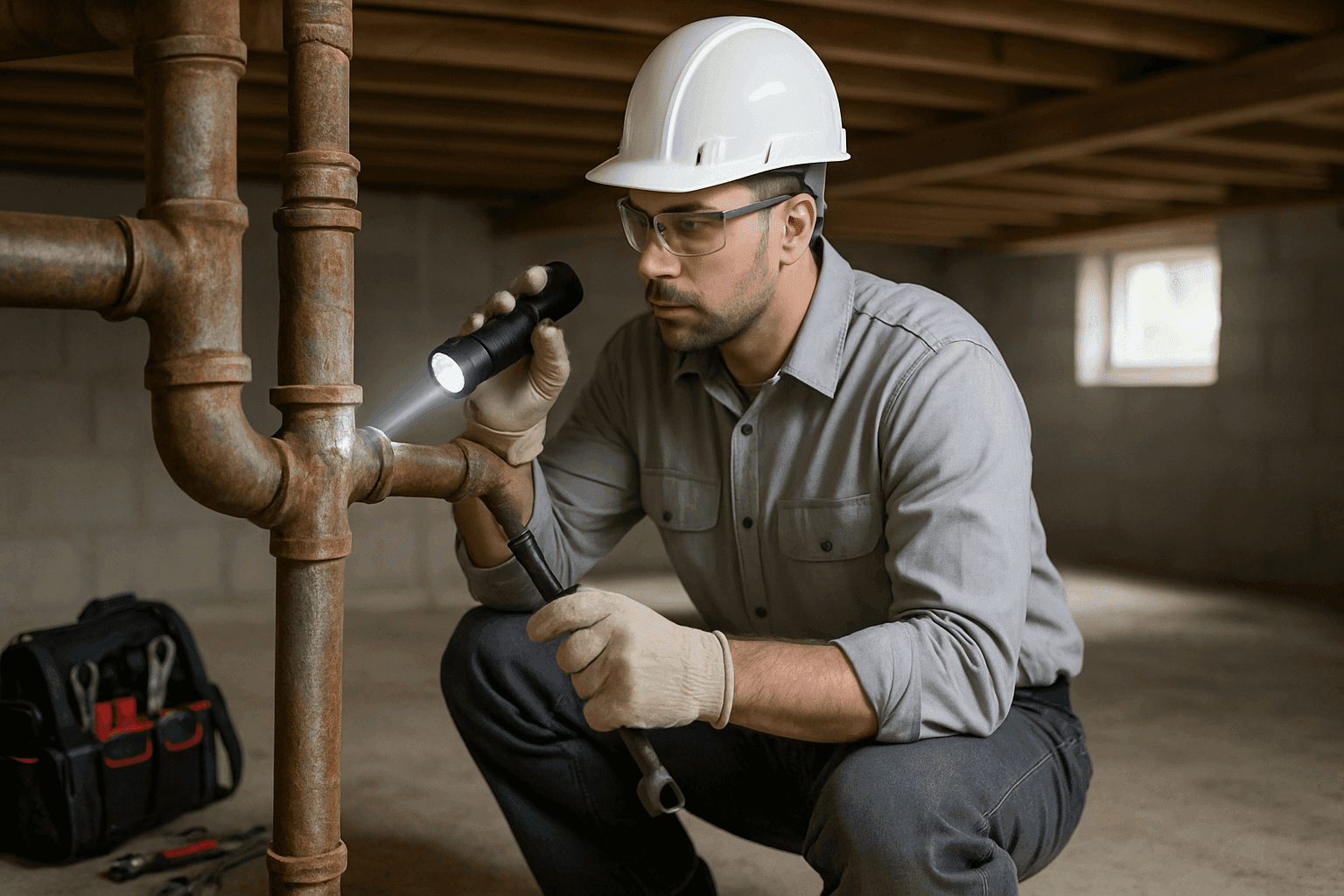
Plumbing problems rarely wait for a convenient time. When water starts dripping from the ceiling or your water pressure drops to a trickle, panic can set in fast. You want answers. Is this just a quick pipe repair, or is it time for a full repiping?
At Hancock Plumbing, we know how overwhelming these choices can be. Our licensed teams handle emergencies every day—at all hours. We’ve seen what happens when pipe problems get ignored. Let’s walk through what you need to know, so your home stays safe and dry.
Common Pipe Problems 🛠️
Pipes are like a network of roads beneath your feet—carrying water everywhere you need it, silently and reliably. But just like old highways, pipes wear out.
Here’s what goes wrong most:
- Leaking joints or pinholes: Often start tiny, then spread.
- Corrosion: Especially in galvanized steel or old copper pipes.
- Low water pressure: A sign of hidden clogs or buildup.
- Discolored water: Rust or debris means trouble inside the pipe.
- Recurring leaks: Patch one, and another springs up nearby.
- Strange noises: Banging or whistling pipes point to pressure or flow issues.
Older homes—especially those built before the 1970s—are more likely to have outdated pipe materials. Galvanized steel, for example, was widely used but is prone to rust and clogging. Even copper pipes, once the gold standard, can pit and leak after decades.
When Is Repair Enough?
Sometimes, a single leak or a loose fitting is all that stands between you and a peaceful evening. In those cases, a simple repair usually does the trick.
Repair is likely enough if:
- The leak is isolated and the rest of your piping is in good shape.
- Your pipes are relatively new (less than 20 years old for copper, less than 50 for PEX).
- There’s no sign of widespread corrosion or rust inside the pipes.
- Water pressure and flow seem normal everywhere else.
Small repairs are like patching a pothole—quick, effective, and affordable if the road (your piping) is otherwise solid.
Signs You Need Repiping 🚨
Repiping is a bigger job. It means replacing all—or large sections—of your home’s water pipes. Sometimes, it’s the only way to keep your plumbing system healthy.
You should consider repiping if:
- Frequent leaks: If you fix one leak and another pops up, your pipes are likely failing throughout.
- Low water pressure everywhere: Buildup and corrosion shrink pipe openings, choking water flow.
- Rusty or discolored water: Especially after the water’s been off for a while—this points to pipe decay.
- Noisy pipes: Persistent banging or gurgling can mean pipes are loose, undersized, or corroded.
- Visible corrosion: Greenish stains on copper, brown rust on steel, or flaking material.
- Old pipe materials: Galvanized steel, polybutylene, or very old copper warrant more attention.
- Home age: If your house is 50+ years old and still has original plumbing, it’s time to assess.
Think of repiping like swapping out all the wiring in an old house—expensive, but it means decades of peace of mind.
Repiping Process Explained
Repiping sounds big. Here’s what actually happens:
- Assessment: Licensed plumbers inspect your system, look for hidden leaks, test water pressure, and identify pipe materials.
- Planning: The best replacement material is chosen—often PEX or copper, depending on code and home needs.
- Access: Small sections of wall or ceiling are opened to reach pipes.
- Replacement: Old piping is removed, and new lines are installed. Fixtures and valves are updated as needed.
- Testing: The system is pressure-tested for leaks, and all work is brought up to local safety codes.
- Restoration: Walls and ceilings are repaired.
Most homes can be repiped in a few days, with water shutoff kept as brief as possible. Your comfort and daily routine matter—so experienced teams minimize disruption.
Budgeting and ROI 💡
There’s no way around it—plumbing work is an investment. But ignoring leaks can mean water damage, mold, and even structural repairs.
Cost factors:
- Pipe material: PEX is often less costly than copper, but both are far safer than galvanized or polybutylene.
- Home size: More bathrooms and fixtures mean more pipe to replace.
- Access: Pipes tucked in crawlspaces or behind finished walls can take more time to reach.
- Local building codes: Some cities require specific materials or extra inspections.
ROI (Return on Investment):
- Prevents water damage claims (which are among the most expensive home insurance claims, according to the Insurance Information Institute).
- Boosts your home’s value—buyers prefer updated plumbing.
- Cuts down on future emergency plumbing calls and repairs.
Local and Regional Pipe Materials
In older neighborhoods, homes often have unique plumbing quirks. Some regions used galvanized steel, others copper, and newer builds may have PEX. If your house is historic, don’t be surprised by a patchwork of materials.
Tip: Ask your plumber to identify your existing pipes. This can help you plan for upgrades—especially if you’re remodeling or adding bathrooms.
How to Spot Warning Signs
Don’t ignore:
- Drops in water pressure.
- Rust stains in sinks or tubs.
- Recurring wet spots or musty smells.
- Unexplained spikes in your water bill.
These are your home’s way of waving a red flag. Pay attention, and act before a full-blown emergency hits.
Safety and Code Compliance 🧰
Always use licensed plumbers. Not only do they protect your home, but local codes (refer to the International Plumbing Code and your municipality’s requirements) are designed for safety. Incorrect repairs can mean leaks, contamination, or even fines.
Practical Tips for Homeowners
- Monitor your water meter: Unexpected movement means a hidden leak.
- Flush lines regularly: Keeps build-up at bay.
- Schedule annual inspections: A little prevention saves big money.
- Know your shutoff valve: In an emergency, seconds count.
Frequently Asked Questions
How long do pipes last?
- Copper: 50+ years
- PEX: 40–50 years
- Galvanized steel: 20–50 years (often much less due to rust)
- Polybutylene: 10–15 years (now considered unreliable)
Can I just fix leaks as they come up?
You can, but frequent leaks mean the whole system is wearing out. At some point, repair costs add up to more than repiping.
Will my water be shut off during repiping?
Yes, but only during certain phases. Most teams restore service at the end of each day when possible.
Is repiping messy?
Some dust and holes in walls are unavoidable, but professional crews keep the mess contained and clean up thoroughly.
Emergency Plumbing—When to Act Now ⚡
If you spot a burst pipe, flooding, or sewage smells, don’t wait. Shut off your water at the main valve and call for emergency plumbing help. Water damage spreads in minutes, not hours.
Planning for the Future
Plumbing is out of sight and out of mind—until it isn’t. A well-timed pipe repair or whole-house repipe can mean decades of worry-free living. If you’re not sure where your system stands, get a professional assessment. Early action can save your home, your budget, and your peace of mind.
Call Hancock Plumbing now — or reach us anytime at 866-565-8061 .