Pipe Repair and Replacement: Signs, Costs, and What to Expect
Do you hear hissing behind your walls? Notice stains on your ceiling, or a musty smell in the bathroom? Pipe trouble can sneak up on any home—especially here, where older plumbing or hard water takes its toll.
When a pipe bursts, leaks, or just won’t drain, it’s more than an inconvenience. It’s a disruption to your life. At Hancock Plumbing, we know how stressful emergency plumbing can be. We’re here to demystify pipe repair, replacement, and what you can expect—so you’re never left in the dark when water is where it shouldn’t be.
When to Repair vs. Replace Pipes 🚰
Not all pipe problems demand a full overhaul. Sometimes, a quick patch or section replacement does the trick. Other times, repairs are like patching an old tire—just a temporary fix.
Pipe repair is usually enough when:
- The damage is limited to one area (like a pinhole leak or a cracked joint).
- Pipes are generally in good shape, with no widespread rust or mineral buildup.
- You catch the issue early—before water has caused major damage to walls or floors.
Replacement (repiping) is the better choice when:
- Pipes are corroded throughout (especially in homes built before the 1980s).
- There are frequent leaks or ongoing water pressure issues.
- You see rusty water, water with a metallic taste, or brown stains in sinks and tubs.
- Inspections reveal pipes made of materials that are no longer up to code (like galvanized steel or polybutylene).
Think of it like a string of old Christmas lights: if one bulb goes out, you replace the bulb. But if the wire’s frayed and bulbs are popping left and right, it’s time for a new string.
Common Pipe Problems
Pipes can fail in lots of ways. Here are the usual suspects we see in local homes:
- Leaks: Dripping under sinks, wet spots on drywall, or puddles in the basement.
- Corrosion: Green or blue stains on copper, rust on steel, or flaky bits inside pipes.
- Clogs: Slow drains, gurgling toilets, or backed-up sinks.
- Burst pipes: Sudden loss of water pressure, wet spots, or the sound of rushing water.
- Low water pressure: Often from scale buildup inside old pipes.
- Strange odors or discoloration: Can signal rust, bacteria, or decaying pipe materials.
If you spot any of these, don’t wait. Small leaks can snowball into major water damage, mold, or even structural issues.
Pipe Repair Options
Let’s break down the main ways plumbers fix damaged pipes:
Spot Repairs
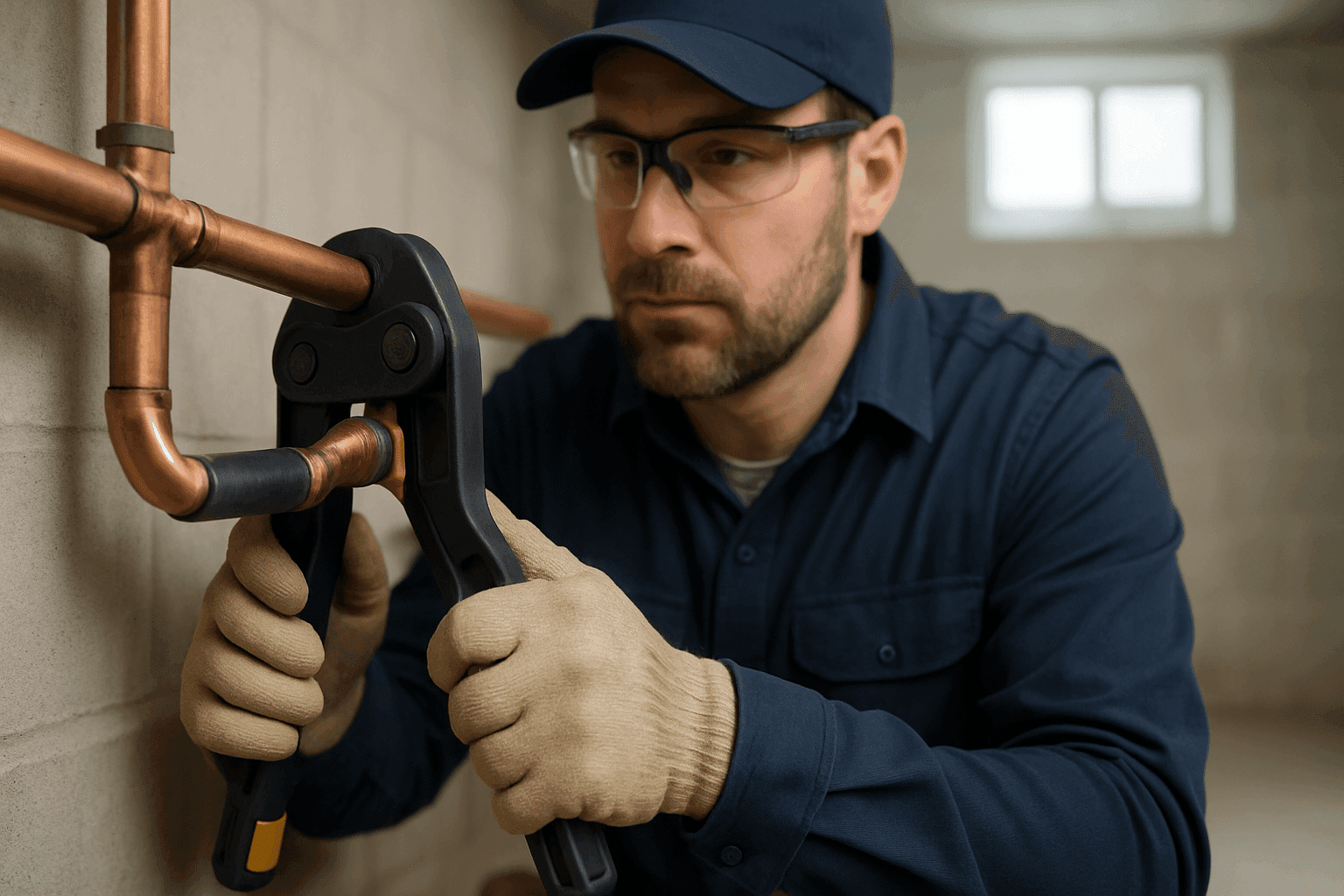
For isolated leaks, we often cut out the damaged section and install a new piece. Depending on your pipe type—copper, PEX, or PVC—we use compatible fittings and solder or crimp as needed. We always follow the International Plumbing Code and local guidelines to ensure your repair is safe and legal.
Pipe Lining
In some cases, especially for drain or sewer lines, we can use epoxy pipe lining. This coats the inside of the pipe, sealing minor cracks and leaks without digging up your yard.
Pipe Bursting
When a sewer or water line is too far gone, we may use pipe bursting. This involves breaking apart the old pipe and pulling in a new one—often with minimal digging.
Material Matters
- Copper: Long-lasting and reliable, but can corrode with hard water.
- PEX: Flexible, affordable, and resistant to freeze damage—great for repiping.
- PVC/CPVC: Common for drains and newer homes; not for hot water lines.
Your plumber will help you choose the best option for your home’s layout and local water conditions.
Whole-Home Repiping
Sometimes, it’s time to start fresh. Repiping isn’t just for emergencies. It’s a smart move if:
- Your home’s pipes are over 50 years old.
- You’re planning a big remodel.
- You want to upgrade to modern, code-compliant materials.
Repiping involves replacing all the old supply pipes—often in stages to minimize disruption. We protect floors and walls as we go and test everything to ensure your water flows clean and strong.
Most homes swap out old galvanized steel or polybutylene for PEX or copper. This not only fixes leaks but also improves water quality and pressure.
Costs and Timeline 💸
Let’s talk brass tacks. How much will pipe repair or replacement set you back? Here’s what to expect:
Spot Repairs
- Small leaks or single pipe sections: $200–$600, depending on access and materials.
- Hidden or hard-to-reach pipes: $500–$1,500, especially if drywall or flooring must be removed.
- Specialty repairs (like slab leaks): $1,000–$4,000+.
Whole-Home Repiping
- PEX repiping: $4,000–$10,000 for most average-sized homes.
- Copper repiping: $8,000–$20,000, depending on house size and pipe length.
- PVC/CPVC: Usually less expensive, but not suitable for every application.
Timeline
- Simple repairs: Often done in 1–2 hours.
- Complex repairs: Up to a day or two.
- Whole-home repiping: 3–7 days, depending on home size and accessibility.
Your final cost will depend on your home’s age, size, pipe material, and local labor rates. Permits and code compliance are always included—no shortcuts.
Tip: Ask your plumber about warranties. Reputable plumbers stand behind their work and use materials that meet or exceed current standards.
How to Recognize Pipe Trouble Early
Don’t wait for a waterfall in your basement. Here are signs your pipes need attention:
- Sudden drop in water pressure
- Visible rust, mold, or mineral stains
- Water that smells or looks odd
- Repeated clogs in different fixtures
- Damp, warped, or stained walls and ceilings
If you see any of these, call an emergency plumbing team like Hancock Plumbing for a professional assessment.
Building Codes and Safety
Pipe work isn’t just about stopping leaks. It’s about protecting your home and family. We always follow the latest International Plumbing Code, Massachusetts Plumbing Code, and manufacturer guidelines. This keeps your repairs safe, legal, and ready to pass inspection.
Did you know? Some insurance policies require code-compliant repairs to maintain coverage. Cutting corners can cost you big in the long run.
Regional Factors: Hard Water, Old Homes, and Pipe Materials 🏠
Where you live matters. In areas with hard water, mineral buildup can clog pipes and eat away at copper. Older homes often have galvanized steel or even lead pipes—materials that are prone to leaks and may not be up to today’s standards.
Tip: If your home was built before the 1980s and you haven’t replaced the pipes, it’s worth getting an inspection. Modern PEX or copper options last longer and can handle our local water better than older systems.
Preventative Maintenance
A little prevention goes a long way. Here’s how to keep your pipes healthy:
- Fix small leaks quickly—don’t ignore them.
- Install water softeners if you have hard water.
- Have annual plumbing inspections, especially in older homes.
- Don’t pour grease, food scraps, or harsh chemicals down the drain.
- Insulate pipes to prevent winter freezes.
These steps can add years to your plumbing and help you avoid late-night emergencies.
What to Expect From Professional Pipe Repair
When you call in a plumber, here’s what happens:
- Assessment: We use cameras, moisture meters, and pressure tests to find the problem.
- Options: You’ll get clear explanations of repair vs. replacement, with pros and cons.
- Permits: For major work, we pull the necessary permits and make sure everything’s up to code.
- Repair or Replacement: We work efficiently, protect your home, and keep you updated at every step.
- Testing: When done, we test for leaks, pressure, and flow—so you’re confident everything works.
Frequently Asked Questions
How long do pipes usually last?
- Copper: 50+ years
- PEX: 40–50 years
- PVC/CPVC: 25–40 years
- Galvanized steel: 20–50 years (but often corrode sooner in hard water areas)
Will my water be shut off during repairs?
Yes, but only while we’re working on the affected section. For major repiping, we often stage the work so you’re never left without water for long.
Do I need to leave my house during repiping?
No. Most families can stay home, though you may have limited water access in some rooms while we work.
Are permits really necessary?
Absolutely. Building permits protect you and ensure that work meets safety and plumbing codes.
Local and Seasonal Considerations ❄️
Our area’s mix of older homes, cold winters, and hard water brings unique pipe challenges:
- Winter freezes: Insulate pipes in unheated spaces. Burst pipes are a common emergency plumbing call after a cold snap.
- Hard water: Consider a whole-house water filtration or softener system to extend pipe life.
- Historic homes: Be aware of old materials—lead, galvanized steel, and polybutylene pipes are all candidates for replacement.
Regular inspections and maintenance can help you avoid seasonal surprises.
No one wants to deal with a burst pipe at midnight. But with the right knowledge and a reliable team, you can handle whatever your plumbing throws at you. If you notice leaks, rust, or water pressure changes, don’t wait—get professional help before a small problem becomes a big one.
Call Hancock Plumbing now — or reach us anytime at 866-565-8061 .