The Homeowner’s Guide to Leak Detection and Prevention
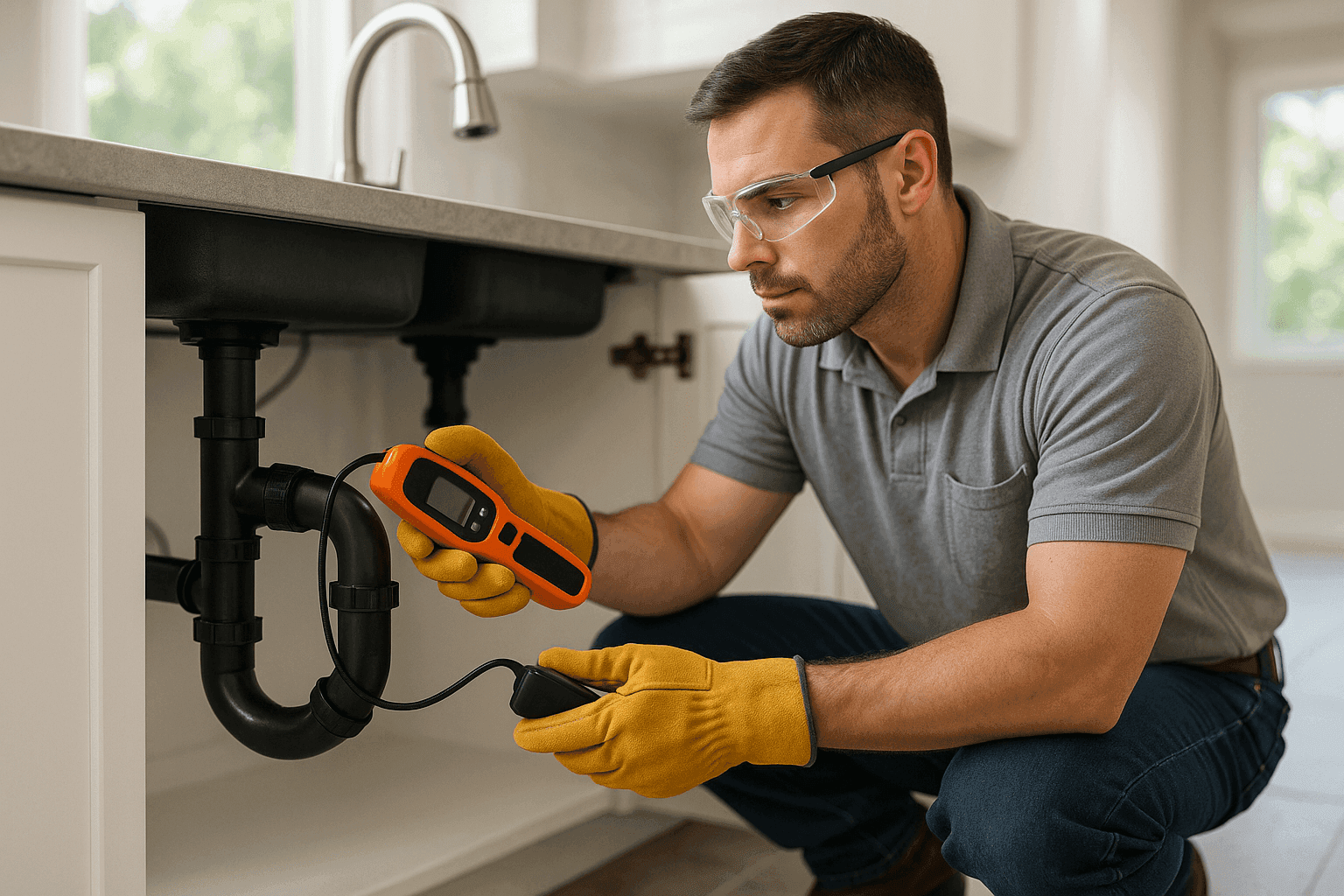
Is that faint drip in the middle of the night just your imagination—or is it a warning sign that trouble is brewing behind your walls? Water leaks don’t just waste a few drops. They can soak floors, warp wood, and lead to costly repairs if ignored.
At Hancock Plumbing, we know emergency plumbing calls often start with small leaks that spiral out of control. Catching them early isn’t just smart—it’s essential.
Why Leaks Matter 🚰
Drip. Drip. Drip. It might sound harmless, but the numbers tell a different story. According to the EPA WaterSense program, household leaks can waste nearly 10,000 gallons of water every year. That's enough to fill a backyard swimming pool.
But it’s not just about water bills. Leaks can:
- Cause mold and mildew, harming indoor air quality.
- Soak drywall, baseboards, and floors.
- Undermine foundations and damage personal belongings.
- Attract pests looking for moisture.
A small, hidden leak is like a tiny crack in a dam—eventually, it can lead to a flood. Staying alert to the early signs can save you headaches down the road.
Signs of Hidden Leaks
Not all leaks make a splash. Some hide quietly in walls, under floors, or behind cabinets. Here’s what to watch for:
- Unexplained high water bills: If your usage hasn’t changed but your bill has, a leak may be lurking.
- Stains or discoloration: Yellow, brown, or dark spots on ceilings and walls are red flags.
- Musty or earthy odors: Persistent damp smells often mean water is pooling where it shouldn’t.
- Peeling paint or wallpaper: Moisture behind walls causes finishes to bubble and peel.
- Sagging ceilings or warped floors: Trapped water weighs down building materials.
- Sound of running water: Hearing water when taps are off? Trust your ears.
Take a slow walk around your home. Feel for soft spots. Look for unexpected puddles or dampness, especially near sinks, toilets, and appliances.
DIY Leak Checks
You don’t need a plumber’s toolkit to spot many leaks early. Here’s how you can play detective:
Check Your Water Meter
- Turn off all faucets and water-using appliances.
- Note the number on your water meter.
- Wait two hours (don’t use any water).
- Check the meter again. If the number has changed, there’s a leak somewhere.
Inspect Toilets
- Put a few drops of food coloring in your toilet tank.
- Wait 30 minutes (don’t flush).
- If color appears in the bowl, the flapper or seal is leaking.
Test Fixtures and Pipes
- Look under sinks for puddles or corrosion.
- Gently squeeze supply lines—wetness or greenish stains spell trouble.
- Run your hands along the base of tubs, showers, and behind toilets for dampness.
Listen Up
- At night, when the house is quiet, listen for drips or the faint sound of water running inside walls.
Leak Prevention Tips
An ounce of prevention really does go a long way—especially with water. Here are practical steps you can take:
- Regular maintenance: Check under sinks, around toilets, and behind appliances monthly.
- Insulate pipes: Especially in basements, crawlspaces, and exterior walls to prevent freezing and bursts.
- Replace old washers and supply lines: Rubber hoses wear out. Stainless braided lines last longer.
- Don’t ignore slow drains: They’re often the first sign of trouble brewing deep in your pipes.
- Keep gutters clear: Overflowing gutters can lead to water pooling near your foundation.
- Install water leak alarms: Small battery-powered sensors can alert you to leaks under sinks or in basements.
According to the International Plumbing Code, keeping fixtures and pipes in good repair isn’t just smart—it’s required for safety and sanitation.
When to Call a Pro
Sometimes, a DIY fix just won’t cut it. Call Hancock Plumbing if you notice:
- Water pooling or gushing from pipes or fixtures.
- Loss of water pressure throughout the house.
- Banging, rattling, or hissing sounds in pipes.
- Recurring leaks that keep coming back.
- Water stains that appear suddenly or spread quickly.
Professional plumbers use advanced leak detection tools—like acoustic sensors, thermal imaging cameras, and pressure testing—to pinpoint hidden problems without tearing open walls. This technology saves time, money, and mess.
Preparing for Freeze/Thaw Cycles ❄️
In cold climates, pipes are especially at risk during winter. Freezing can cause pipes to burst, flooding basements and crawlspaces.
- Insulate exposed pipes: Use foam sleeves or heat tape.
- Let faucets drip on freezing nights: Keeps water moving, making freezing less likely.
- Open cabinet doors: Allow warm air to reach pipes under sinks.
- Know your shut-off valve location: Quick action can minimize damage if a pipe bursts.
After a freeze, check for leaks as pipes thaw. Sudden drops in water pressure, new puddles, or sounds of running water can signal a break.
FAQs
How much water does a leaking faucet really waste?
A single faucet dripping once per second can waste over 3,000 gallons a year—enough for 180 showers (EPA WaterSense).
Are all leaks emergencies?
No, but any leak can become an emergency if ignored. Fast action limits water damage and repair costs.
Can I use leak sealants as a fix?
Temporary sealants might hold for a day or two, but they’re not a solution. Mechanical repairs are safer and longer-lasting.
What if I smell gas near my water heater?
Leave the area immediately and call a professional. Gas leaks are dangerous and require urgent attention.
Final Thoughts
Leaks are sneaky. They can start small but quickly spiral into major emergencies. By staying alert to warning signs, taking simple DIY steps, and calling in pros when needed, you can protect your home, your wallet, and your peace of mind.
Need help with leak detection, Water Heater Repair near you, or emergency plumbing? Hancock Plumbing is here—day or night.
Call Hancock Plumbing now — or reach us anytime at 866-565-8061 .