Kitchen Plumbing Maintenance: Keep Sinks, Disposals, and Pipes Flowing
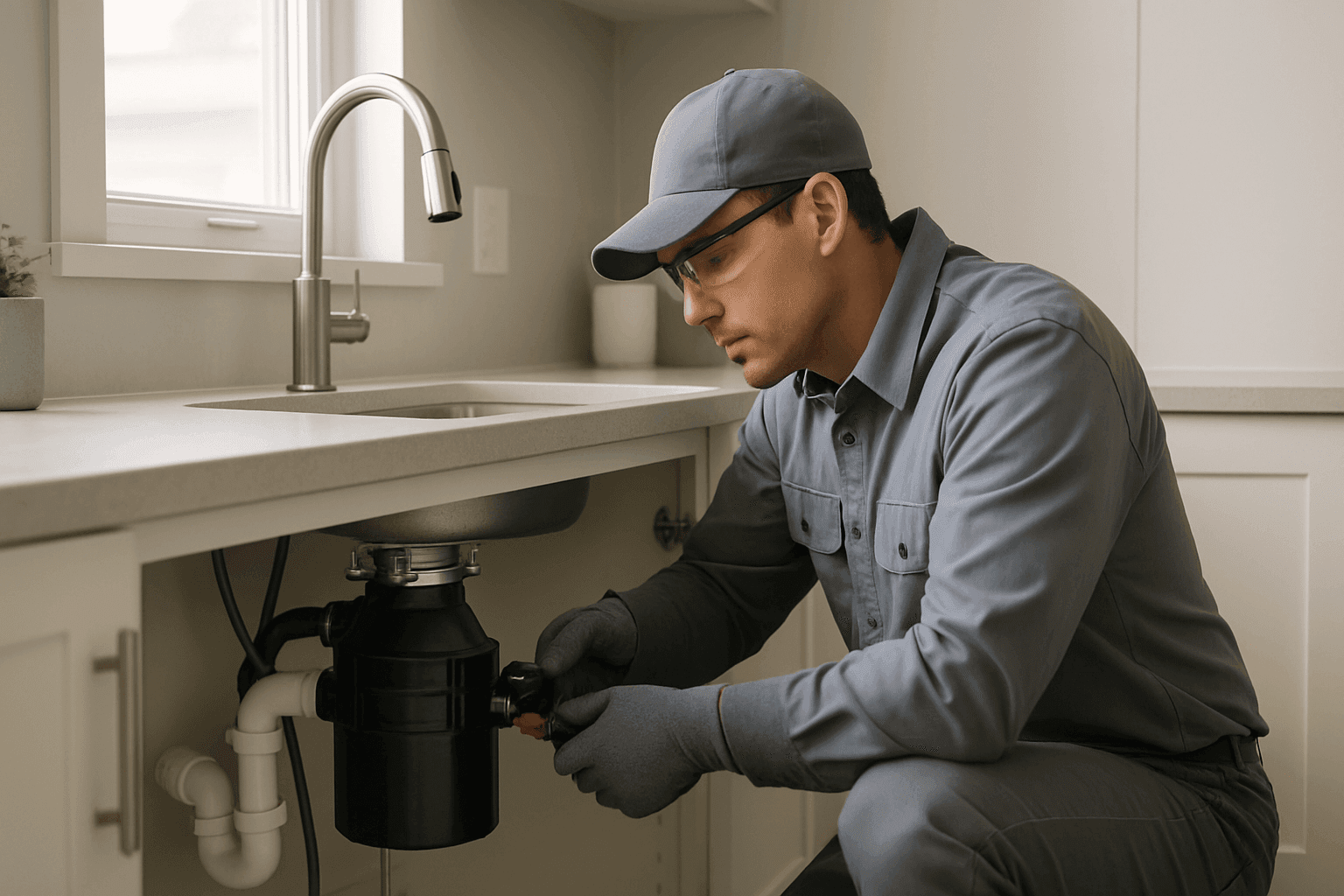
Is your kitchen sink draining slower than a snail in winter? Or does your garbage disposal sound like it’s chewing gravel? Small plumbing problems can turn into full-blown disasters if left unchecked. We know—because we’ve spent decades crawling under sinks, replacing pipes, and rescuing families from emergencies at the worst possible times.
At Hancock Plumbing, we’ve seen it all. From “mystery leaks” warping hardwood floors to disposals jammed with everything from chicken bones to wedding rings. Good news: a few simple habits can prevent most kitchen plumbing nightmares. You don’t need to be a pro—just a little know-how and regular checks can keep water (and life) flowing.
Common Kitchen Plumbing Problems 🍴
The kitchen is the heart of your home—and a magnet for plumbing problems. Here’s what we run into most:
- Clogged sinks and slow drains: Grease, food scraps, and soap buildup are the usual suspects.
- Leaky faucets or pipes: That drip is wasting water and money.
- Garbage disposal jams: Fibrous veggies, bones, or even silverware can stop the blades cold.
- Water pressure issues: Mineral scale from hard water can choke pipes, especially in older homes.
- Hidden leaks: Silent, sneaky, and can cause big-time damage behind cabinets or under floors.
These issues don’t just annoy you—they can balloon into emergencies, especially if ignored.
Sink and Faucet Maintenance
Think of your kitchen sink as a river. If you throw too many boulders (or spaghetti) in, it slows to a trickle—or stops altogether.
Here’s how to keep your river flowing:
- Clean strainers weekly: Food bits collect fast. Empty and rinse them to avoid clogs.
- Wipe faucet aerators: Mineral buildup can block water flow. Unscrew, soak in vinegar, and scrub every few months.
- Check for leaks: Look under the sink for puddles or water stains. Listen for drips, even when the faucet’s off.
- Tighten connections: Hand-tighten any loose faucet or sprayer connections. Don’t overdo it—a gentle nudge goes far.
- Run cold water: After using the disposal, run cold water for at least 15 seconds to flush food through the pipes.
A little attention goes a long way—like brushing your teeth to avoid a dentist’s drill.
Garbage Disposal Dos & Don’ts
Your garbage disposal isn’t a wood chipper. It’s more like a kitchen assistant—helpful, but with limits.
Do:
- Run cold water before, during, and after use.
- Feed scraps slowly—no big handfuls.
- Clean with ice cubes and citrus peels for fresh-smelling blades.
Don’t:
- Pour grease or oil down the drain.
- Drop bones, fruit pits, or shellfish shells into the disposal.
- Toss fibrous foods (celery, corn husks, onion skins) inside—they’ll knot up the works.
- Use harsh drain cleaners, which can wreck seals and pipes.
Treat your disposal kindly, and it’ll keep working through countless family dinners.
Leak & Clog Prevention 🚰
Stopping leaks and clogs is a bit like weeding a garden—the earlier you catch issues, the less trouble you’ll have later.
Smart steps:
- Install a mesh drain strainer: Blocks food and debris.
- Empty grease traps regularly: If you have one, clean it before it overflows.
- Avoid “flushable” wipes: Even if the package says so—they tangle and block pipes.
- Check under the sink monthly: Look for swelling, dampness, or musty smells.
- Watch for slow drains: If water pools, act quickly. Sometimes it takes a pro to clear deep blockages.
- Know your shutoff valves: Find them and test them. In a crisis, you’ll save precious seconds (and gallons).
If you suspect a leak or hidden moisture, consider a moisture meter or ask about professional leak detection, especially for older or slab-built homes.
Holiday Hosting Prep 🎉
Hosting a crowd? Kitchens get a real workout during holidays. Don’t let a plumbing mishap spoil your party.
Before guests arrive:
- Run hot water to help clear slow drains.
- Empty and clean grease traps.
- Remind family (and guests!) about what not to put in the disposal.
- Check for leaks under sinks and around dishwasher connections.
- Stash a plunger nearby—just in case.
If your home has older pipes or a history of water heater trouble, schedule a preventative checkup. Emergency plumbing calls spike during holidays—avoid joining the rush.
Practical Safety Checklist
- Turn off power: Before working on disposals, unplug or switch off at the breaker.
- Use gloves: Sharp debris hides in drains.
- Ventilate: If using cleaners, open windows.
- Never mix chemicals: Dangerous fumes can result.
- Watch for mold: Musty smells or discoloration may signal hidden leaks.
Always prioritize safety—one wrong move can turn a simple fix into a hazard.
DIY vs. Call a Pro
Some fixes are kitchen-table simple. Others need a pro’s touch.
DIY-friendly tasks:
- Clearing minor clogs with a plunger.
- Cleaning aerators and strainers.
- Tightening slip nuts under the sink.
- Resetting a jammed disposal (check your manual for the red button underneath).
Call Hancock Plumbing for:
- Persistent leaks that won’t stop.
- Water backing up in multiple fixtures (could be a main line problem).
- Foul odors or gurgling from drains.
- Sudden drops in water pressure.
- Signs of mold or water damage in cabinets or floors.
- Installing new disposals, dishwashers, or water filtration systems.
We bring decades of know-how and the right tools to get you back to normal—fast.
What Pros Do On Arrival
When you call for emergency plumbing, here’s what you can expect:
- Quick assessment: We trace the problem—sometimes using cameras for hidden pipes.
- Stop the damage: Shut off water, power, or gas as needed.
- Pinpoint repairs: Targeted fixes, not guesswork.
- Safety checks: We follow local plumbing codes and standards (see ICC and local codes).
- Clean up: No mess left behind.
We’re happy to explain every step—or just handle it quietly while you get back to dinner.
Prevention & Maintenance
The best emergencies are the ones that never happen. Here’s how to keep your kitchen plumbing healthy year-round:
- Schedule annual inspections: A pro can spot trouble before it starts.
- Flush your drains: Run hot water weekly, and add baking soda and vinegar monthly to clear buildup.
- Ask about water filtration: Hard water can shorten the life of fixtures and appliances.
- Replace old hoses: Rubber dishwasher or supply hoses should be swapped for braided stainless every 5–7 years.
- Set up a preventative plan: Many families ask us for annual checkups—peace of mind for pennies a day.
A little prevention saves a mountain of headaches.
Costs & Time Factors
Plumbing bills can be scary—but catching issues early keeps costs down.
- Simple clogs or leaks: Often fixed in under an hour.
- Disposal replacement or pipe repair: Can take 1–3 hours.
- Major repiping or water heater repair near you: May require half a day or more.
- Holiday/weekend calls: Emergency plumbing sometimes costs more after hours.
Parts, time, and home age all play a role. We’re upfront about what’s needed—no surprises.
When It’s an Emergency
Some problems can’t wait. Call immediately if you notice:
- Water gushing or flooding.
- No hot water (especially in winter).
- Gas smells—leave the house and call 911, then us.
- Multiple drains backing up at once.
- Mold or warped flooring from hidden leaks.
Don’t risk your home or health—emergency plumbing is what we do, day or night.
FAQ
How can I tell if my kitchen pipes are leaking? Look for unexplained puddles, warped wood, or musty smells under sinks. Watch your water bill—spikes mean something’s leaking.
Is it safe to use chemical drain cleaners? We don’t recommend them. They can eat through pipes and harm the environment. Try a plunger or call us for stubborn blockages.
What’s the best way to prevent disposal clogs? No grease, no fibrous foods, and always run plenty of cold water. When in doubt, toss it in the trash instead.
Should I replace old plumbing in an older home? If you have frequent leaks or low water pressure, repiping may be a smart investment. We can inspect and advise based on your home’s age and condition.
Local & Seasonal Considerations
Living with hard water? Mineral buildup is common, especially in older pipes. Consider a water filtration system to protect your fixtures.
Older homes often have outdated plumbing—galvanized pipes, old shutoff valves, or even lead lines. We know the quirks of every era, from 1920s bungalows to 1990s kitchens.
Winter brings frozen pipes and water heater struggles. Summer means more guests (and more stress on drains). Seasonal checkups can help you avoid surprises.
Ready to stop worrying about what’s lurking under your sink? Take control of your kitchen plumbing with Hancock Plumbing’s decades of hands-on experience.
Call Hancock Plumbing now — or reach us anytime at 866-565-8061 .