How to Safely Shut Off Water and Gas in a Plumbing Emergency
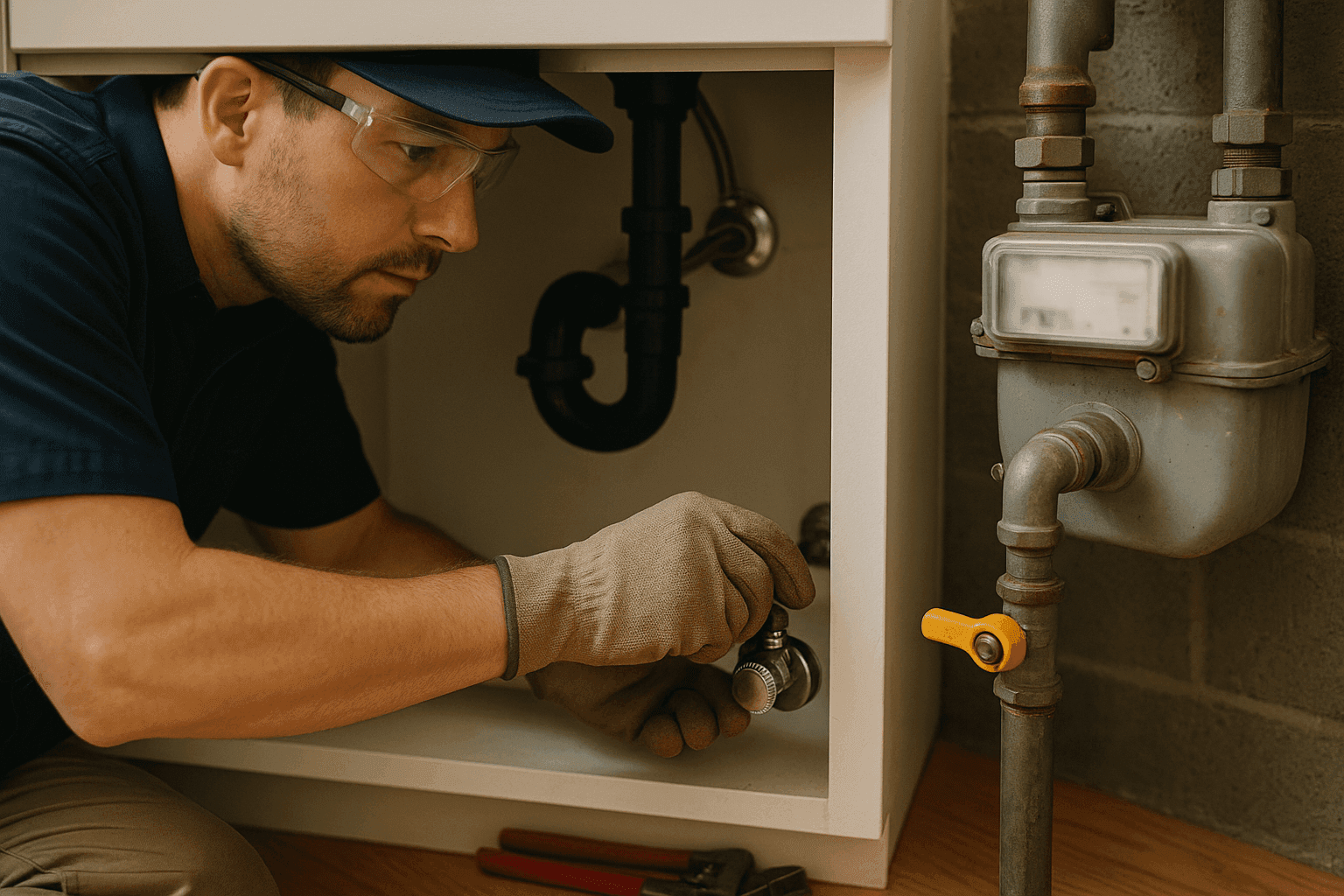
When pipes burst or a gas leak strikes, panic can spread faster than water across a kitchen floor. Every second counts. Knowing exactly what to do—and doing it safely—can mean the difference between a quick fix and a costly disaster.
At Hancock Plumbing, we’ve seen firsthand how fast a small leak can turn into a big headache. Let’s walk through the steps you need to take when the unexpected happens.
Why Quick Action Matters in a Plumbing Emergency
Think of your plumbing system like the veins and arteries of your home or business. When something goes wrong, acting fast helps prevent damage from spreading. Water can ruin floors, walls, and personal items in minutes. Gas leaks? They’re even more serious, with risks of fire, explosions, and health hazards.
A quick shutoff keeps you, your family, or your employees safe. It also saves you time and money on repairs down the line.
Quick Safety Checklist 🛑
Before you race to turn any valves, take a breath. Safety comes first. Here’s a rapid-fire checklist:
- Smell gas? Evacuate immediately. Don’t use electrical switches, phones, or anything that could spark.
- For water leaks, avoid standing water—especially near electrical outlets or appliances.
- Know where your main water and gas shutoff valves are located now, before an emergency.
- Keep a flashlight and adjustable wrench handy for emergencies.
- Don’t try to fix what you’re unsure about. Call for help if you feel unsafe at any point.
How to Find and Shut Off Your Main Water Valve
Every building has a main water shutoff valve. It’s the “off switch” for your entire water supply. Here’s how to find and use it:
Locating the Main Water Valve
- Homes: Look where the water line enters the building—often in basements, crawl spaces, garages, or utility rooms.
- Small Businesses: Check near the water meter, typically at the building’s front or side.
- The valve may look like a round wheel (gate valve) or a lever (ball valve).
Shutting Off the Water
- Turn the valve clockwise (right) until it stops. For lever valves, turn so it’s perpendicular to the pipe.
- Open a faucet at the lowest point in your building to drain remaining water and relieve pressure.
- Check for leaks to confirm the flow has stopped.
If you can’t find the valve, now’s the time to learn its location—not during a crisis.
How to Find and Shut Off Your Main Gas Valve
Gas leaks are no joke. The main gas shutoff is usually near your gas meter. Here’s what to do:
Locating the Main Gas Valve
- Find the gas meter outside your building or in a utility area.
- The main shutoff is typically a rectangular knob or lever beside the meter.
Shutting Off the Gas
- Use a wrench to turn the valve a quarter turn. The valve is off when it’s perpendicular (crosswise) to the pipe.
- Do not turn the gas back on yourself. This must be done by a licensed professional after a safety inspection.
- Evacuate if you smell gas or hear hissing. Call emergency services from a safe distance.
Reference: The National Fire Protection Association (NFPA) and your local building codes both stress the importance of professional gas safety.
Step-by-Step: Handling Plumbing Emergencies
Here’s what to do, step by step, when water or gas is leaking:
- Stay calm. Quick, clear thinking beats panic every time.
- Shut off the main water or gas valve as described above.
- Avoid electrical hazards. Don’t touch appliances or switches if water is present.
- Ventilate the area if it’s safe—especially for gas leaks.
- Contact Hancock Plumbing for emergency plumbing support.
- Document the situation with photos if safe to do so—helpful for insurance claims.
- Wait for professionals. Don’t attempt major repairs yourself.
DIY vs. Calling a Pro
It’s tempting to try fixing things yourself. Sometimes that’s okay—like tightening a loose faucet. But with emergencies, it’s a different story.
When DIY Makes Sense
- You’re only shutting off water or gas (not making repairs).
- The leak is minor and contained.
- You’re confident in what you’re doing.
When to Call Hancock Plumbing
- You smell gas or suspect a leak.
- Water won’t stop flowing after shutoff.
- There’s a risk of electrical shock.
- Pipes are frozen, burst, or flooding is severe.
- You’re unsure about any step.
Remember, emergency plumbing isn’t just about fixing pipes—it’s about keeping people safe.
What Professional Plumbers Do On Arrival
When Hancock Plumbing arrives, here’s what you can expect:
- Assessment: We inspect the affected area and identify the source of the issue.
- Safety Check: We ensure all utilities are safely shut down before starting repairs.
- Leak Detection: Specialized tools help us pinpoint hidden leaks or gas escapes.
- Repairs: We fix the problem—whether it’s a burst pipe, faulty valve, or gas line issue.
- Testing: Systems are tested for safety before utilities are restored.
- Advice: We’ll explain what happened and how to prevent it in the future.
We follow guidelines from the International Association of Plumbing and Mechanical Officials (IAPMO) and National Gas Code standards.
Prevention & Maintenance: Preparing for Emergencies
An ounce of prevention is worth a pound of cure. Here’s how to stay ready:
- Locate and label all shutoff valves now, before you need them.
- Test valves annually to ensure they turn easily.
- Schedule regular plumbing inspections to catch issues early.
- Install leak detectors near water heaters, washing machines, and under sinks.
- Educate everyone in your home or business on emergency shutoff procedures.
Following guidelines from the American Red Cross and Occupational Safety and Health Administration (OSHA) can help you stay prepared.
Costs & Time Factors
Plumbing emergencies can feel like a runaway train—fast and costly. Here’s what to expect:
- Shutoff itself is quick: Most valves take seconds to minutes to close.
- Professional response time: Emergency plumbers typically arrive within an hour, depending on availability.
- Repair costs vary: Minor leaks may be inexpensive, while burst pipes or gas line repairs can be more involved.
- Prevention saves money: Regular maintenance and quick shutoffs reduce long-term repair bills.
Remember, delaying action only increases damage and expenses.
When It’s an Emergency
Not every drip is a disaster, but some situations call for immediate help:
- Major leaks or flooding
- No water supply at all
- Gas smell or hissing sound
- Sewage backups
- Water pooling near electrical panels
If you’re facing any of these, it’s time to call Hancock Plumbing—right away.
FAQ: Common Questions About Water and Gas Shutoffs
What if I can’t find my shutoff valves?
Check your property inspection report or building plans. If you’re still unsure, ask a plumber to show you during your next maintenance visit.
Can I turn the gas back on myself?
No. Gas must be restored by a licensed professional after ensuring there are no leaks or hazards.
How often should I test my shutoff valves?
Test at least once a year. If a valve is stuck or hard to turn, have it serviced.
Is it safe to use electrical appliances after a leak?
Not until a professional confirms it’s safe. Water and electricity are a dangerous mix.
Special Considerations for Emergency Plumbing
- Multiple shutoff points: Some buildings have more than one water or gas shutoff. Know them all.
- Commercial properties: Businesses may have complex systems—train staff on emergency procedures.
- Older valves: These can seize up or break. Regular maintenance is key.
- After shutoff: Always wait for a professional before restoring water or gas. Safety comes first.
Be Ready—Know Before You Need to Act
Emergencies don’t wait for a convenient time. Take a walk through your property today. Find those valves. Teach your family or staff what to do. And keep Hancock Plumbing’s number handy for when the unexpected strikes.
Call Hancock Plumbing now — or reach us anytime at 866-565-8061 .