How to Choose the Right Plumber: Credentials, Reviews, and Red Flags
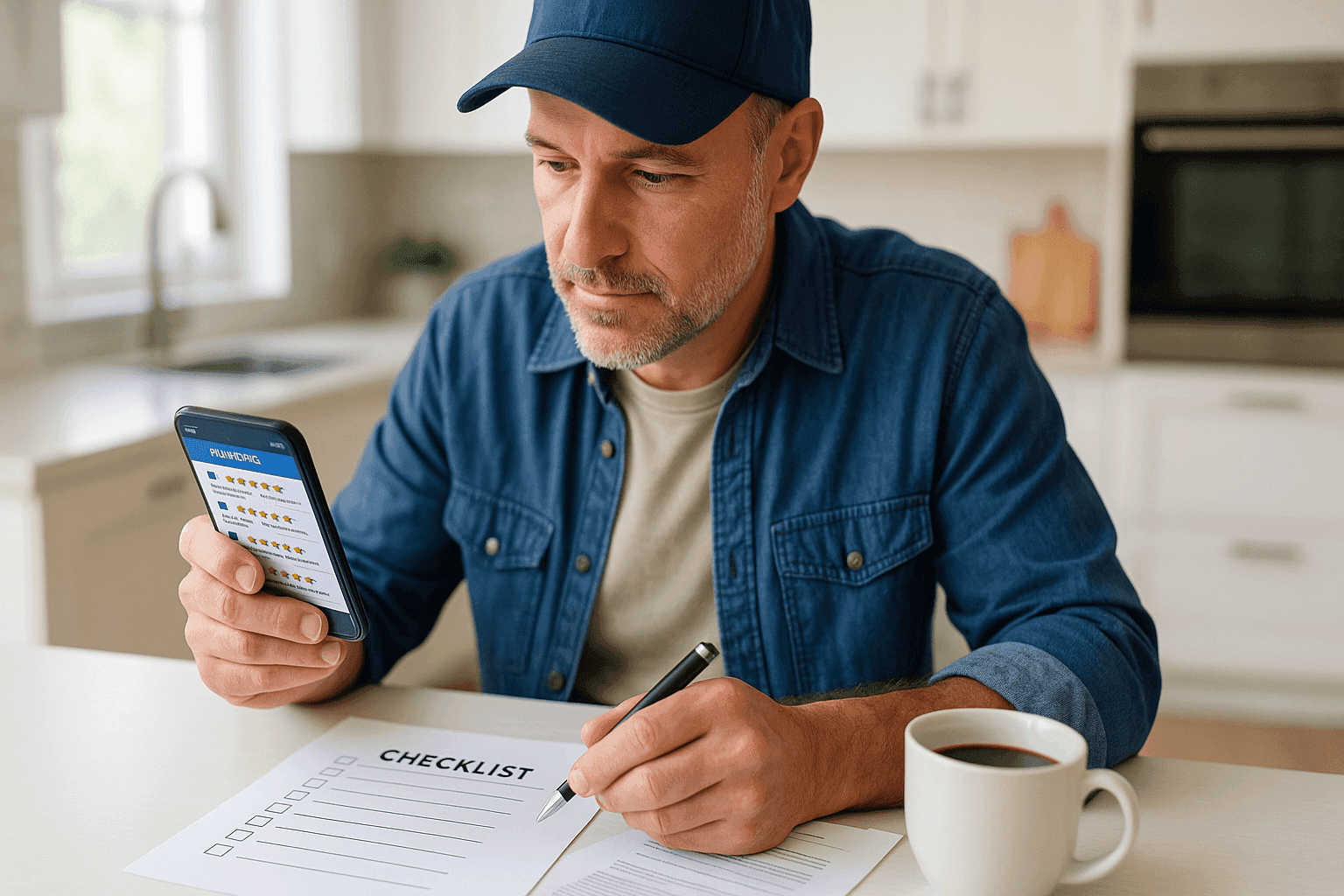
When a pipe bursts at midnight or your water heater decides to quit right before your in-laws arrive, panic can set in fast. You want help now—not after a week of phone tag or unreliable advice.
But in the rush to solve the problem, how do you make sure you’re letting the right person into your home? At Hancock Plumbing, we know the stakes are high, and we’re here to help you make a choice you won’t regret.
Why Picking the Right Plumber Matters 🛠️
Your home’s plumbing is like the veins in your body—hidden, vital, and not to be messed around with. One wrong move can mean more headaches, water damage, or even health risks.
- A licensed and insured plumber keeps your home safe.
- The right pro uses parts and methods that meet code, so you stay protected.
- Reliable plumbers show up on time and don’t vanish when things get tough.
Choosing wisely isn’t just about fixing a leak or unclogging a toilet. It’s about trust—letting someone into your home, often during stressful times. Emergency plumbing problems need more than a quick fix. They need a safe one.
Essential Credentials
Before you even ask about price, get these basics settled. Credentials are the bedrock of a good plumber.
Licensing: The Non-Negotiable
Every state (and many cities) require plumbers to hold a license. Think of this as their “driver’s license” for your pipes. It means they’ve passed exams, know local codes, and are allowed to work in your area.
- Check for a current, state-issued license. Ask to see it. Don’t just take their word.
- In some areas, apprentices may help, but a licensed master plumber supervises.
Insurance: Your Safety Net
Accidents happen. Without insurance, you could be left footing the bill for damage or injuries.
- Ask for proof of liability and worker’s compensation insurance.
- If they can’t provide this, move on—fast.
Warranty: Will They Stand By Their Work?
A trustworthy plumber doesn’t vanish after cashing your check.
- Ask if they offer a warranty on labor and parts.
- Get details in writing. Even a short warranty is better than none.
Emergency Availability
Plumbing disasters don’t wait for business hours. Look for a plumber offering true 24/7 emergency plumbing service—someone who will answer the call, not just take a message.
Clear, Written Quotes
Vague estimates are like foggy glasses—you can’t see what’s coming.
- Insist on a clear, written estimate before work starts.
- Make sure it shows labor, parts, and any possible extras.
Checking Reviews & References
Would you let someone fix your car if every past customer was upset? Probably not. Plumbing’s no different.
Where to Look
- Google and Nextdoor: Real customers, real feedback.
- State consumer protection agencies: See if complaints have been filed.
- References: Don’t be shy—ask for 2-3 local customers you can call.
What to Watch For
- Patterns matter more than a single bad review.
- Look for mentions of reliability, cleanliness, and communication.
- Are they known for respecting homes and finishing the job?
Spotting Authenticity
Be wary of reviews that sound too good to be true or seem copied and pasted. Genuine feedback is detailed and specific, not just “Great job!” or “Bad service.”
Red Flags to Watch For 🚩
Even in a hurry, keep your eyes peeled for these warning signs:
- No license or insurance. That’s a full stop.
- Cash-only demands or up-front payment before any work.
- Unmarked vehicles or lack of company uniforms/ID.
- Reluctance to provide references or written quotes.
- Pushing for more repairs than needed, or using scare tactics.
Trust your gut. If something feels off, it probably is.
Questions to Ask
Don’t worry about sounding picky. Good plumbers expect questions—bad ones get nervous.
- Are you licensed and insured in this state/city?
- Who will actually do the work? Will a licensed plumber be present?
- What’s included in your quote? Are there possible extra costs?
- Do you provide a warranty on parts and labor?
- How do you handle emergencies? Is someone always on call?
- Can you provide references from recent residential jobs?
A reputable plumber will answer without hesitation.
Local & State Requirements—Know What’s Needed
Plumbing is local. What’s legal in one city might be illegal in the next.
- Check your city or state’s website for specific licensing and code requirements.
- For big jobs like Sewer Line Repair, Water Heater Installation, or Gas Line Installation, some cities require permits and inspections.
- In areas with freezing winters, plumbers should know how to winterize pipes and handle seasonal challenges.
For example, the International Association of Plumbing and Mechanical Officials (IAPMO) publishes codes many states adopt. The National Fire Protection Association (NFPA) sets standards for gas lines. These codes protect you and your home.
Emergency Plumbing: When Time Is Critical
Burst pipes, sewer backups, and failed sump pumps can’t wait. In these moments, you need someone who:
- Answers the phone—day or night.
- Can mobilize a team quickly.
- Brings the right tools and spare parts.
- Knows how to limit damage while fixing the root cause.
Having a trusted emergency plumbing team on speed dial means you’re never left scrambling.
Practical Tips for Choosing Safely
- Start your research before you have an emergency. Save the number of a trusted plumber now.
- Check for background-checked teams. Your safety is as important as your pipes.
- Ask about COVID-19 or health precautions if you have concerns.
- Look for a company with clear branding—uniformed techs and marked vehicles show professionalism.
FAQ: Common Questions About Hiring a Plumber
How do I check if a plumber’s license is valid?
Most states let you verify licenses online. Search “plumber license verification” and your state’s name. Or call your city’s permitting office.
What should I do if I suspect a plumbing scam?
Stop the work. Don’t pay cash up front. Report concerns to your state’s consumer protection agency or the Better Business Bureau.
Can a handyman do plumbing jobs?
Small jobs, maybe. But for anything that impacts water, gas, or sewer lines, always use a licensed plumber. It’s the law in most areas.
How do I prepare for a plumber’s visit?
Clear the area. Write down what’s wrong and when it started. Know where your main water shutoff is—this can save precious minutes.
Local & Seasonal Considerations
Every region has its quirks—frozen pipes, seasonal flooding, or older homes with tricky plumbing. Your plumber should know these and offer solutions, not just quick fixes.
- Ask how they tackle local challenges—like sump pump repair in flood-prone basements or backflow prevention in older neighborhoods.
- If you’re new to the area, mention it—there may be city-specific permits or inspection steps.
Closing Thoughts: Confidence for Every Call
Choosing a plumber shouldn’t feel like a gamble. With the right questions and a bit of homework, you’ll know who to trust—whether you need Water Heater Repair near you, a midnight leak fix, or a full repipe.
At Hancock Plumbing, we’re proud to be the clear choice for residential plumbing. Our teams are fully licensed, insured, and background-checked. We provide transparent, written quotes and show up when you need us—day or night.
Call Hancock Plumbing now — or reach us anytime at 866-565-8061 .