Holiday Plumbing Disasters: How to Avoid Clogs, Leaks, and Emergencies
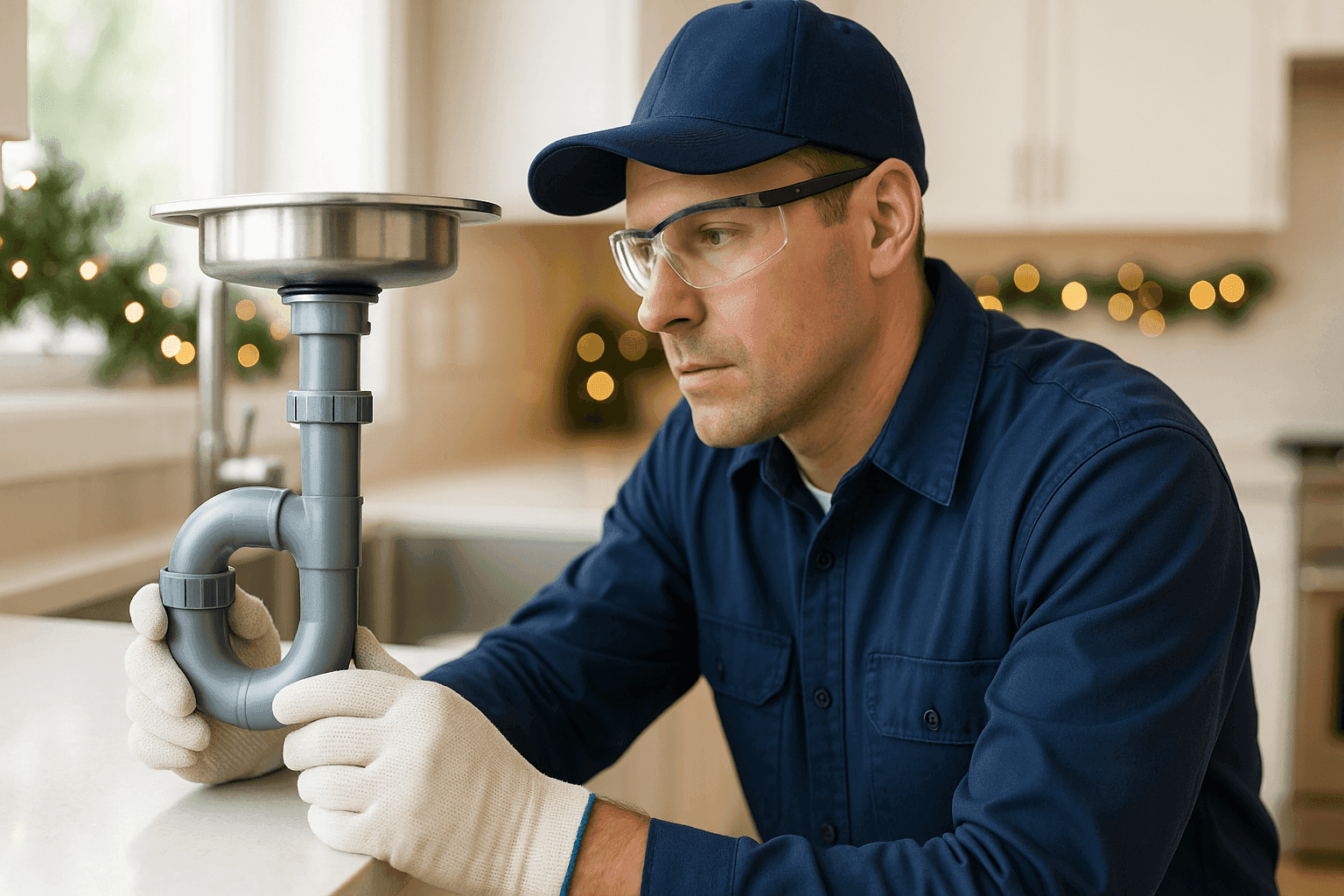
The holidays are a time for laughter, celebration, and—let’s be honest—a little bit of chaos. But nothing throws a wrench in your plans quite like a flooded kitchen, a clogged bathroom, or a dead water heater when guests are knocking at your door.
At Hancock Plumbing, we know the holidays can stretch your home’s plumbing to the limit. Our team has seen it all, from turkey grease disasters to pipes bursting on frosty nights. With 24/7 emergency plumbing services and years of hands-on experience, we’re here to help you sidestep stress and keep your gathering merry.
Why Holidays Strain Plumbing 🦃
Your home’s plumbing is like a busy highway. On a regular day, traffic flows smoothly. Add a parade of guests, extra cooking, and freezing weather? Things can jam up fast.
- Guest Overload: More showers, toilet flushes, dishes, and laundry. That’s a lot of water moving through your pipes in a short window.
- Kitchen Crunch: Big holiday meals mean fats, oils, and scraps. When poured down the drain, they harden and cause stubborn clogs.
- Water Heater Strain: If your tank is borderline, the extra demand for hot water can tip it over—leaving you with icy showers.
- Frozen Pipe Risk: In colder regions or chilly winter nights, pipes can freeze and burst, especially when doors and windows are left open during gatherings.
The result? Clogs, leaks, and emergencies strike at the worst possible moment. According to the Insurance Institute for Business & Home Safety, water damage claims spike during winter holiday weeks. But a little prep goes a long way.
Kitchen and Bathroom Prep
Before guests arrive, think of your plumbing as a team that needs a warm-up before the big game.
Kitchen:
- Clear slow drains with a safe enzyme cleaner—never harsh chemicals.
- Remind everyone: no fats, oils, or coffee grounds in the sink. Scrape plates into a compost bin or trash.
- Run cold water before and after using your garbage disposal. Feed scraps slowly.
- Check for leaks under sinks, especially near supply lines and drain traps.
Bathroom:
- Place a wastebasket in plain sight. This keeps wipes, cotton swabs, and other clog-causers out of the toilet.
- Test toilets for slow flushes or running water. If the tank takes forever to refill, call for a quick tune-up.
- Stock up on extra toilet paper—but not the thick, “plush” kind that can back up pipes.
Throughout the House:
- Set your water heater to 120°F for safety and efficiency, as recommended by the U.S. Department of Energy.
- Insulate exposed pipes in unheated areas like garages or crawl spaces.
Avoiding Common Clogs 🚿
Holiday clogs are like uninvited guests. They show up when you least expect them—and they refuse to leave.
What Not to Flush or Pour
- Kitchen: Grease, starchy foods (potatoes, rice), stringy veggies, eggshells, pasta
- Bathroom: Wet wipes (even “flushable” ones), feminine products, cotton balls, dental floss
Simple Habits to Keep Pipes Clear
- Use drain strainers in sinks and tubs.
- Run hot water down drains after heavy use.
- Limit the number of showers and loads of laundry at one time.
- Schedule a drain cleaning before the holiday rush if you’ve noticed slow drains.
Garbage Disposal Smarts
Think of your disposal as a helper, not a magician. Feed scraps slowly and run cold water the whole time. Never force large amounts of food waste at once.
Emergency Steps if Trouble Strikes 🚨
Sometimes, despite your best efforts, trouble finds its way in. Here’s how to act fast and minimize damage until professional help arrives.
1. Shut Off the Water
- For a leak: Find the nearest shutoff valve (under the sink or toilet). For big emergencies, locate your home’s main shutoff—usually in the basement or near the water meter.
- For a clog: Stop running water to prevent overflow.
2. Contain the Mess
- Use towels, buckets, or pans to catch leaks.
- Turn off electrical power near water-damaged areas, if safe to do so.
3. Don’t Use Chemicals
- Skip the commercial drain cleaners. These often make things worse and can damage pipes.
4. Call Emergency Plumbing Services
Even if it’s midnight or a holiday, Hancock Plumbing is here for you. Our rapid response team handles everything from water heater repair near you to stubborn toilet clogs or burst pipes.
5. Document the Damage
- Take photos for insurance claims.
- Save any receipts from emergency cleanup.
Post-Holiday Maintenance 🛠️
Once the guests are gone and the last cup is washed, it’s tempting to forget about your plumbing—until the next gathering rolls around.
Check for Lingering Problems
- Inspect for drips or puddles under sinks, toilets, and appliances.
- Listen for gurgling drains or slow flushes.
- If you notice low water pressure, schedule leak detection to rule out hidden issues.
Give Your Drains a Fresh Start
- Use a safe enzyme-based drain cleaner, or flush pipes with hot (not boiling) water.
- Clean faucet aerators and showerheads to remove mineral buildup.
Schedule Preventative Maintenance
Regular checkups catch small problems before they become big headaches. Consider a professional drain cleaning, backflow testing, or water heater inspection as part of your annual prep.
Local and Seasonal Considerations ❄️
In our region, winter weather can be a wild card. Pipes in uninsulated spaces are most vulnerable to freezing. If temperatures dip below 20°F, open cabinet doors to let warm air circulate around pipes. Let a trickle of water run overnight during cold snaps to prevent freezing.
Holiday guest patterns also play a role. More people means more hot water use, more flushes, and more stress on older plumbing systems. If your water heater or main drain has been acting up, don’t wait until the crowd arrives—get it checked now.
FAQ: Holiday Plumbing Woes
Q: Why does my kitchen sink clog more during the holidays?
A: More food scraps, fats, and oils go down the drain. Even small amounts build up, especially when cool water solidifies grease.
Q: Is it safe to use chemical drain cleaners?
A: No. They can damage pipes, especially older ones. Use enzyme-based cleaners or call a licensed plumber for stubborn clogs.
Q: How do I know if my pipes are frozen?
A: If water flow slows to a trickle, or you hear banging (water hammer), pipes may be frozen. Shut off water and call for emergency plumbing help.
Q: My water heater isn’t keeping up. What should I do?
A: Crank up the temperature only to 120°F (never higher for safety). If it’s still not enough, you may need water heater repair or a larger unit.
When It’s an Emergency
If water is gushing, toilets are overflowing, or you have no hot water with guests in the house—don’t wait. Shut off the water if you can. Then call Hancock Plumbing. We offer 24/7 emergency plumbing and rapid response, even during the busiest holidays.
Final Thoughts
Plumbing mishaps don’t have to ruin your holiday spirit. With a little preparation and the right help just a call away, you can keep the festivities flowing smoothly all season long.
Call Hancock Plumbing now — or reach us anytime at 866-565-8061 .