Gas Line Safety: Installation, Checks, and Emergency Steps
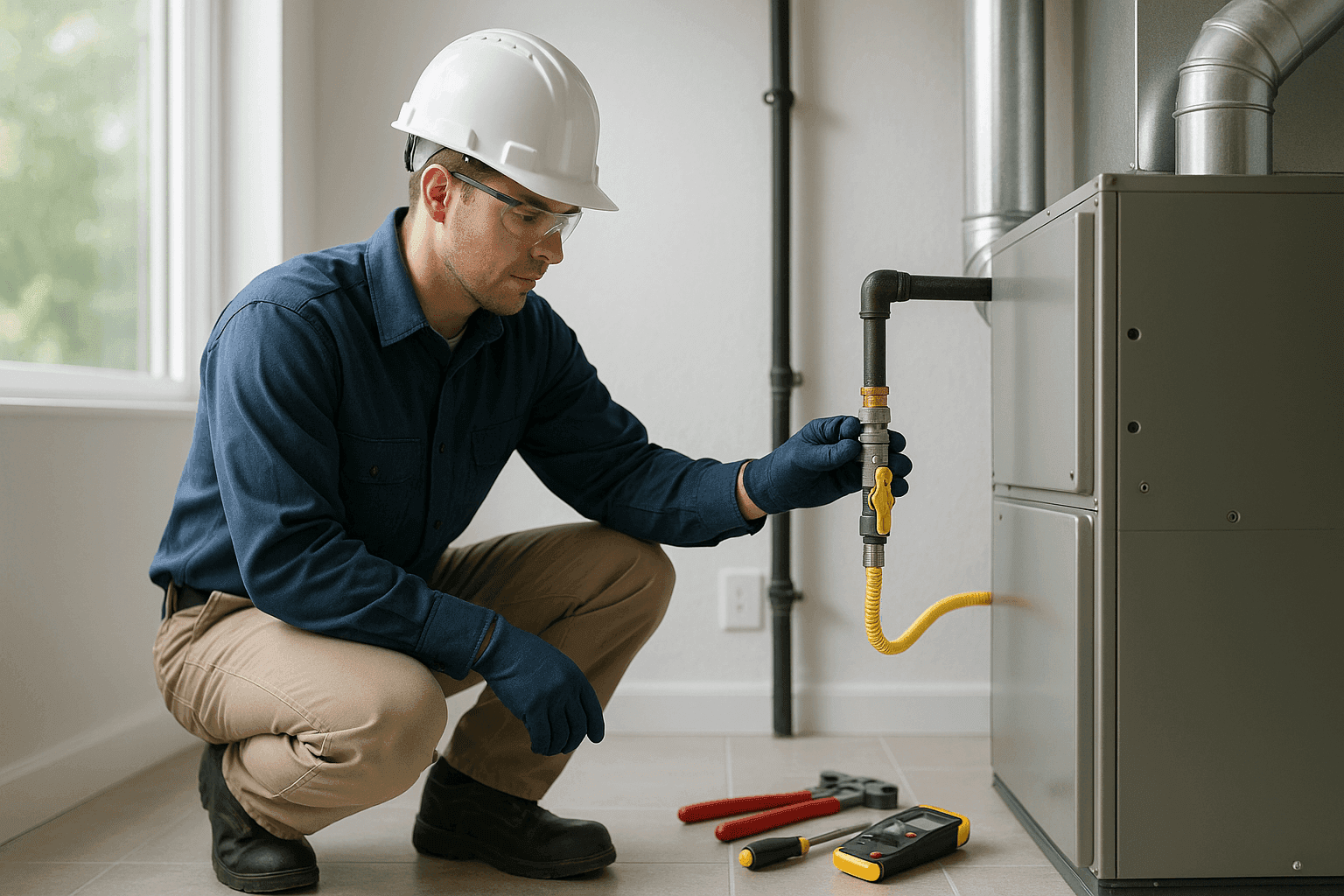
Gas lines are the unsung heroes behind a warm shower, a hot meal, and a cozy evening by the fire. But when something goes wrong with your home’s gas system, the stakes are high. Gas leaks and faulty lines aren’t just plumbing problems—they’re serious safety risks.
At Hancock Plumbing, we handle emergencies 24/7, day or night. Our licensed techs see gas line issues every week, and we know how quickly a small problem can turn into a house-wide emergency. Here’s how you can keep your home safe, spot trouble early, and know what to do if things go sideways.
Why Gas Line Safety Matters 🏠
Gas is powerful. It heats, cooks, and fuels our lives. But when a gas line is damaged or installed poorly, it’s like having a ticking clock in your basement or behind your walls. A minor leak can become a major emergency in minutes.
- Carbon monoxide risk: Colorless, odorless, and deadly. Gas leaks can let this silent threat into your home.
- Explosion hazard: Built-up gas is highly flammable. All it takes is a single spark.
- Code compliance: Local regulations exist for a reason. They help keep families safe.
- Regional differences: Installation and repair rules change from city to city. What’s legal in one area may be dangerous in another.
When it comes to gas, shortcuts aren’t just risky—they’re illegal in most places. The National Fuel Gas Code (NFPA 54), your local building department, and your utility provider all have strict standards for a reason.
Safe Installation Standards
A gas line isn’t just another pipe. It’s a lifeline that demands respect and precision.
- Permitting: Most areas require a permit to install or move a gas line. This isn’t just red tape—it’s a safety check.
- Materials: Only approved piping (like black iron or flexible CSST) can handle gas safely.
- Pressure tests: Before turning on the gas, the system must be pressure-tested to ensure it’s leak-free.
- Code compliance: Every joint, valve, and shutoff must meet national and local codes.
- Qualified technicians: Only licensed plumbers or gas fitters should touch your gas lines. It’s not a DIY job.
Think of your gas system like an airplane. You wouldn’t want just anyone fixing it before takeoff. The same goes for your home’s gas lines.
Routine Gas Safety Checks 🔍
You can’t fix what you can’t see—but you can catch problems before they escalate.
- Annual inspections: Schedule a licensed professional to check your gas lines, water heater, furnace, and major appliances each year.
- Carbon monoxide detectors: Place them near bedrooms and gas appliances. Replace the batteries twice a year.
- Shutoff valve awareness: Know where your main gas shutoff is. Show your family, too.
- Check appliance connectors: Hoses and fittings wear out. A quick look can catch cracks or corrosion.
- Clear the area: Don’t store paint, solvents, or combustibles near gas lines or appliances.
The U.S. Consumer Product Safety Commission and your city’s fire department recommend regular inspections as a first line of defense.
Recognizing Gas Leaks
Gas leaks can sneak up on you. Here’s how to spot them before they become dangerous:
- Rotten egg smell: Utility companies add mercaptan—a chemical that smells like sulfur—to alert you to leaks.
- Hissing sounds: If you hear a whistling or hissing near a gas line, that’s a red flag.
- Dead plants: Gas leaks can kill grass or plants above buried lines.
- Bubbles: In wet areas, bubbles in standing water could mean a leak below.
- Headaches, dizziness, nausea: These symptoms may signal carbon monoxide exposure.
When in doubt, treat any sign of a possible leak as an emergency.
What to Do in a Gas Emergency ⚠️
If you suspect a gas leak, don’t wait. Seconds matter.
- Leave the house: Get everyone (including pets) outside immediately.
- Don’t use electronics: Don’t flip switches, use phones, or spark anything inside.
- Shut off the gas: If it’s safe and you know where the main shutoff is, turn it off.
- Call for help: Once outside, dial your gas utility or emergency services. Then, contact Hancock Plumbing for emergency plumbing support.
- Don’t re-enter: Wait for professionals to clear your home before going back inside.
Think of it like a fire drill—act fast and don’t look back.
Quick Gas Safety Checklist
- Know the smell of gas (rotten eggs).
- Install and check carbon monoxide detectors.
- Locate your main shutoff valve.
- Don’t block or store items near gas appliances.
- Schedule yearly professional inspections.
A little preparation today can make all the difference tomorrow.
DIY vs. Call a Pro
Some home projects are perfect for a Saturday afternoon. Gas lines aren’t one of them.
Never attempt:
- Installing, extending, or repairing a gas line.
- Swapping out gas water heaters or stoves without a licensed technician.
Call a professional if:
- You smell gas or suspect a leak.
- Your appliances aren’t working or show signs of corrosion.
- You’re renovating or moving a gas appliance.
Licensed pros use specialized tools and must follow strict codes. It’s not just about safety—it’s the law.
What Pros Do On Arrival
When Hancock Plumbing arrives, here’s what you can expect:
- Assessment: We locate the problem, using leak detectors and pressure gauges.
- Shutoff: We turn off the affected gas line and ensure the area is safe.
- Inspection: The entire gas system, including appliances and connectors, is checked for hidden issues.
- Repair: Only approved materials and code-compliant methods are used.
- Testing: We pressure-test the system and relight appliances if all is safe.
- Paperwork: If permits are needed, we handle the documentation and coordinate with local inspectors.
Our team is licensed and trained to handle emergency plumbing and gas safety issues, 24/7.
Prevention & Maintenance
A safe home starts with good habits and regular upkeep.
- Annual checkups: Book a yearly inspection with a licensed plumber.
- Appliance care: Follow manufacturers’ maintenance recommendations.
- Ventilation: Make sure all gas appliances vent properly to the outside.
- No blockages: Keep vents and flues clear of debris and snow.
- Update old lines: Consider repiping if your home’s gas lines are decades old.
Review the National Fuel Gas Code (NFPA 54) and your local building codes for more detailed guidelines.
Costs & Time Factors
No two jobs are alike, but here’s what to expect:
- Inspections: Most take 1–2 hours, depending on the home’s size.
- Repairs: Small leaks might be fixed in an hour; larger jobs can take several hours or require follow-up visits for permits and testing.
- Installation: New lines or major repairs may take a day or more, especially if walls or landscaping are involved.
- Permitting: Some repairs can start right away; others require city inspection and approval.
Remember, cutting corners can cost more in the long run—both in money and safety.
When It’s an Emergency
Gas leaks, strange odors, or a hissing sound near your pipes? That’s not a “wait and see” moment.
Call for emergency plumbing service immediately. Hancock Plumbing is on call 24/7, equipped to handle urgent situations and keep your family safe.
FAQ
Q: How often should I have my gas lines checked?
At least once a year, or immediately if you notice any signs of trouble.
Q: Can I install a gas stove myself?
No. Gas appliance installation must be done by a licensed professional in nearly all regions, for safety and code compliance.
Q: Where is my main gas shutoff valve?
Usually located outside near your gas meter, or inside where the gas line enters your home. Ask your plumber to show you.
Q: What’s the first thing to do if I smell gas?
Leave the house immediately and call for help from a safe distance.
Local/Seasonal Considerations
In colder regions, snow and ice can block vents, causing carbon monoxide to back up into your home. In warmer climates, shifting soils can stress underground gas lines. Regional building codes may also require different materials or installation methods—always use a plumber familiar with your area’s rules.
Hancock Plumbing stays up to date with all local codes and seasonal risks, so you don’t have to worry.
Gas line safety isn’t something to leave to chance. If you ever suspect a problem—or just want peace of mind—reach out for emergency plumbing help. Your family’s safety comes first.
Call Hancock Plumbing now — or reach us anytime at 866-565-8061 .