Fixture Installation Guide: Sinks, Faucets, and Showerheads Made Easy
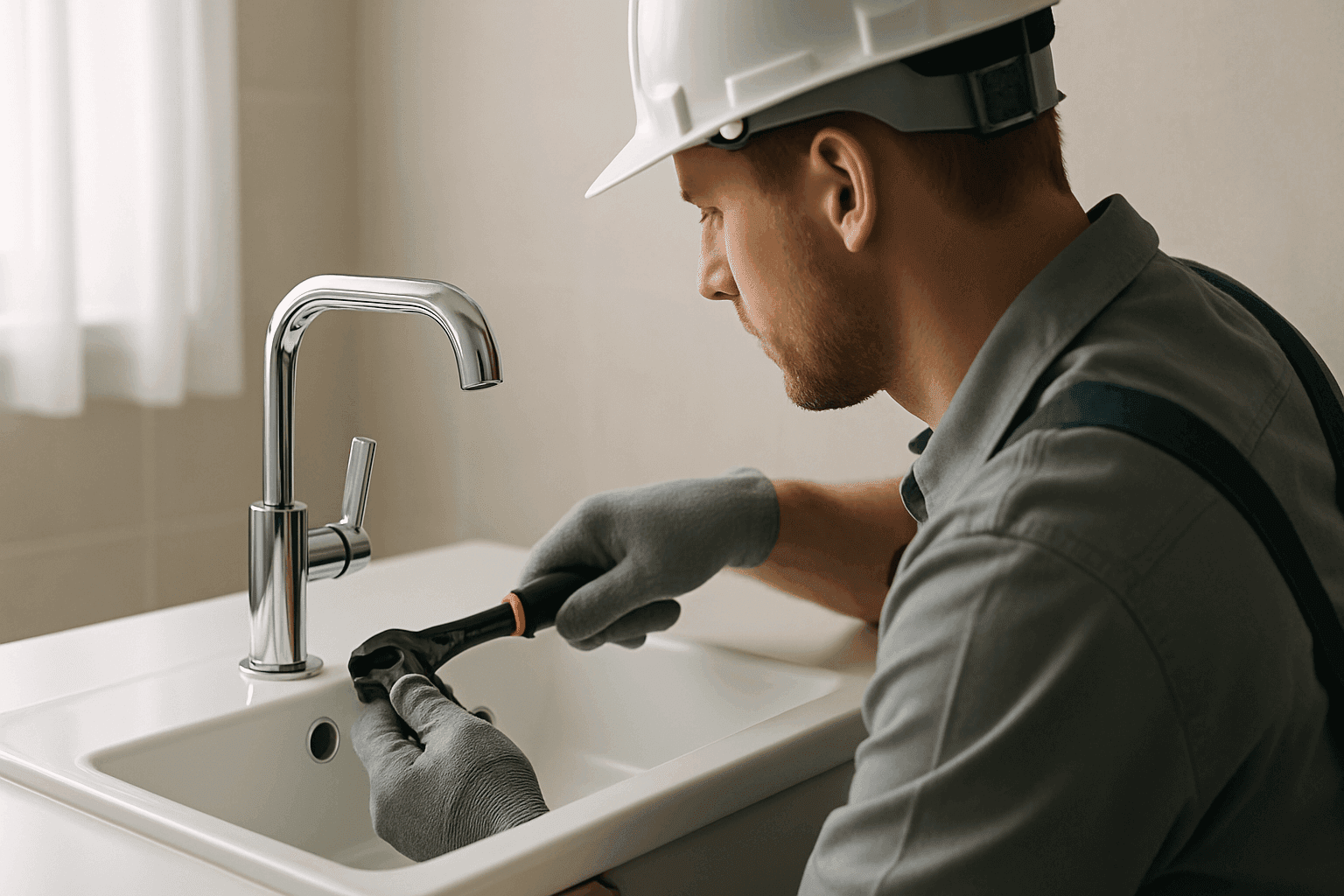
Everyone loves a beautiful new faucet or a sparkling showerhead. But if you’ve ever tried to swap out a fixture, you know it’s not always as simple as “just screwing it on.” Water goes everywhere. Fittings don’t line up. Suddenly, your peaceful afternoon feels like a plumbing emergency.
At Hancock Plumbing, we’ve helped hundreds of homeowners avoid disaster and upgrade their spaces, all while keeping safety and style front and center. Our licensed plumbers handle every brand and fixture type, from farmhouse sinks to modern rainfall showers. Here’s how you can install new fixtures with confidence—or spot the signs it’s time to bring in a pro.
Choosing the Right Fixture
Think of your sink, faucet, or showerhead as the jewelry of your bathroom or kitchen. It sets the mood. But it also needs to work hard, every single day.
Key factors to consider:
- Fit: Measure the number of holes in your sink or countertop. Not all faucets or sinks match every setup.
- Finish: Brushed nickel, matte black, or classic chrome—choose what matches your home’s style and stays on trend locally. Right now, matte finishes and mixed metals are in style for both kitchens and bathrooms.
- Water Efficiency: Look for WaterSense-labeled fixtures. They save water without sacrificing performance, and many municipalities recommend or even require them.
- Function: Pull-down sprayers, touchless controls, and adjustable showerheads bring convenience and comfort.
- Compatibility: Some fixtures require adapters or special valves. Always check the manufacturer’s specs before buying.
A little planning up front saves a lot of headaches later.
Tools & Materials Needed 🛠️
Before you start, gather your supplies. Nothing slows you down like a missing wrench when water’s dripping everywhere.
You’ll need:
- Adjustable wrench
- Basin wrench (for hard-to-reach nuts)
- Plumber’s tape (Teflon tape)
- Plumber’s putty or silicone caulk
- Bucket and towels
- Utility knife
- Screwdriver set
- New supply lines (if old ones are corroded)
- Safety glasses and gloves
Tip: Always use brand-new supply lines unless yours are nearly new and undamaged. Old lines are a frequent source of leaks.
Step-by-Step Installation
1. Shut Off the Water
This is the golden rule. Like turning off the main breaker before changing a light, always shut off the water valves under the sink or behind the shower. If you can’t find them, turn off your home’s main water supply.
2. Remove the Old Fixture
- Place a bucket under connections to catch water.
- Loosen supply lines using your wrench.
- Unscrew mounting nuts or brackets.
- Carefully lift out the old fixture. For faucets, you may need to break the old seal with a utility knife.
3. Prep the Surface
- Clean away old plumber’s putty, caulk, and debris.
- Dry the area thoroughly—water and new seals don’t mix.
4. Install the New Fixture
- For Faucets & Sinks: Set the fixture in place. Apply plumber’s putty or a rubber gasket as directed. Tighten mounting hardware evenly.
- For Showerheads: Wrap the threaded pipe with plumber’s tape. Hand-tighten the new showerhead, then give it a snug twist with a wrench (don’t overdo it).
- For Sinks: Attach the drain assembly and connect water lines.
5. Connect Supply Lines
Use new, high-quality lines. Hand-tighten first, then use a wrench for a quarter turn—too tight and you risk cracking connections.
6. Seal and Test
- Apply a thin bead of silicone caulk around the base where needed.
- Turn the water supply back on slowly.
- Check for leaks as water fills the lines. If you spot a drip, tighten gently or re-seat the seal.
7. Clean Up
Wipe down surfaces and remove any stray putty or caulk. Admire your handiwork!
Common Mistakes to Avoid 🚫
Even careful DIYers can hit a snag. Here’s what trips most homeowners up:
- Skipping Water Shutoff: A classic. Always double-check.
- Omitting Plumber’s Tape: Threads without tape leak—every time.
- Overtightening: More force isn’t always better. Stripped threads and cracked valves are a pain to fix.
- Mismatched Parts: Not all supply lines and fixtures are compatible. Bring a sample to the store if you’re unsure.
- Ignoring Local Codes: Some areas require specific backflow prevention devices or supply line materials. Check your city’s building codes or consult the International Plumbing Code (IPC).
When to Hire a Pro
Some projects are best left to licensed plumbers—especially if you run into:
- Corroded or stuck shutoff valves
- Mismatched or outdated plumbing
- Water pressure issues that won’t resolve
- Unexplained leaks after installation
- Pipe modifications or new supply lines needed
If you’re ever unsure, call Hancock Plumbing. We handle all brands and fixture types, and we’re fully licensed for water heater repair near you, emergency plumbing, and more.
Water Shutoff & Sealing: Quick Safety Checklist
- Water off? Double-check before disconnecting anything.
- All electrical powered items (garbage disposals, instant heaters) unplugged.
- Plumber’s tape on all threaded connections.
- Plumber’s putty or silicone on fixture bases where needed.
- Bucket and towels ready—just in case.
- Test before you walk away. Even a slow drip can become a flood.
Troubleshooting Leaks & Supply Lines
Leaks often show up where you least expect them—under the sink, behind the wall, or at supply connections. Here’s how to spot and solve them:
- Drip after install: Tighten connections gently. Don’t overdo it.
- Persistent leak: Remove and reapply plumber’s tape or re-seat gaskets.
- Low water pressure: Check that shutoff valves are fully open and supply lines aren’t kinked.
- Water stains below: This could indicate a hidden leak—don’t wait, call for emergency plumbing help.
For more on leak detection and prevention, the EPA’s WaterSense program is a reliable resource.
Code Compliance: What You Need to Know
Plumbing codes protect your home and health. For example, backflow prevention is required in many places to stop dirty water from contaminating clean supply. Use lead-free fixtures and always check local regulations before starting work.
The International Plumbing Code (IPC) and Uniform Plumbing Code (UPC) are the gold standards. If your project involves gas lines, check with your local building department—permits may be needed.
Style and Finish Trends in Fixtures
Homeowners are leaning toward matte black and brushed gold for a bold statement, while classic chrome remains popular for its timeless look. In kitchens, pull-down faucets and touchless activation are trending. For bathrooms, rainfall showerheads and water-saving models are in demand.
Choose finishes that complement your cabinetry and hardware. And remember: trends come and go, but solid installation keeps your fixtures working for years.
FAQ
How long does it take to replace a faucet or showerhead?
A straightforward swap can take 30–60 minutes. Older plumbing or stuck fittings may stretch this to a few hours.
What if my fixture leaks after installation?
Recheck all connections. Apply plumber’s tape to threads and ensure gaskets are seated. Persistent leaks? It’s time to call Hancock Plumbing.
Can I install a new sink myself?
With patience and the right tools, yes. But cutting countertops, rerouting pipes, or changing drain lines should be handled by a pro.
Is it safe to reuse old supply lines?
Usually not. Old lines can fail without warning. Always install new, manufacturer-recommended lines with your new fixture.
When It’s an Emergency
If water is spraying, flooding, or leaking uncontrollably, shut off the main water supply and call for emergency plumbing help immediately. Time is critical—unresolved leaks can cause serious water damage, mold, and even electrical hazards.
Local and Seasonal Considerations
In colder climates, frozen pipes are a winter hazard—especially if you’re working on exterior walls. Insulate pipes and fixtures if you’re replacing them during the winter months. In humid regions, mold and mildew can develop quickly if leaks go unnoticed. Check connections regularly, especially under sinks and in basements.
Upgrading your fixtures? Consider water filtration systems and backflow prevention to meet local codes and provide safe, clean water year-round.
Upgrading your fixtures should be satisfying—not stressful. Whether you need a quick swap or emergency plumbing, Hancock Plumbing is ready to help.
Call Hancock Plumbing now — or reach us anytime at 866-565-8061 .