How to Detect and Fix Hidden Plumbing Leaks Before They Cause Damage
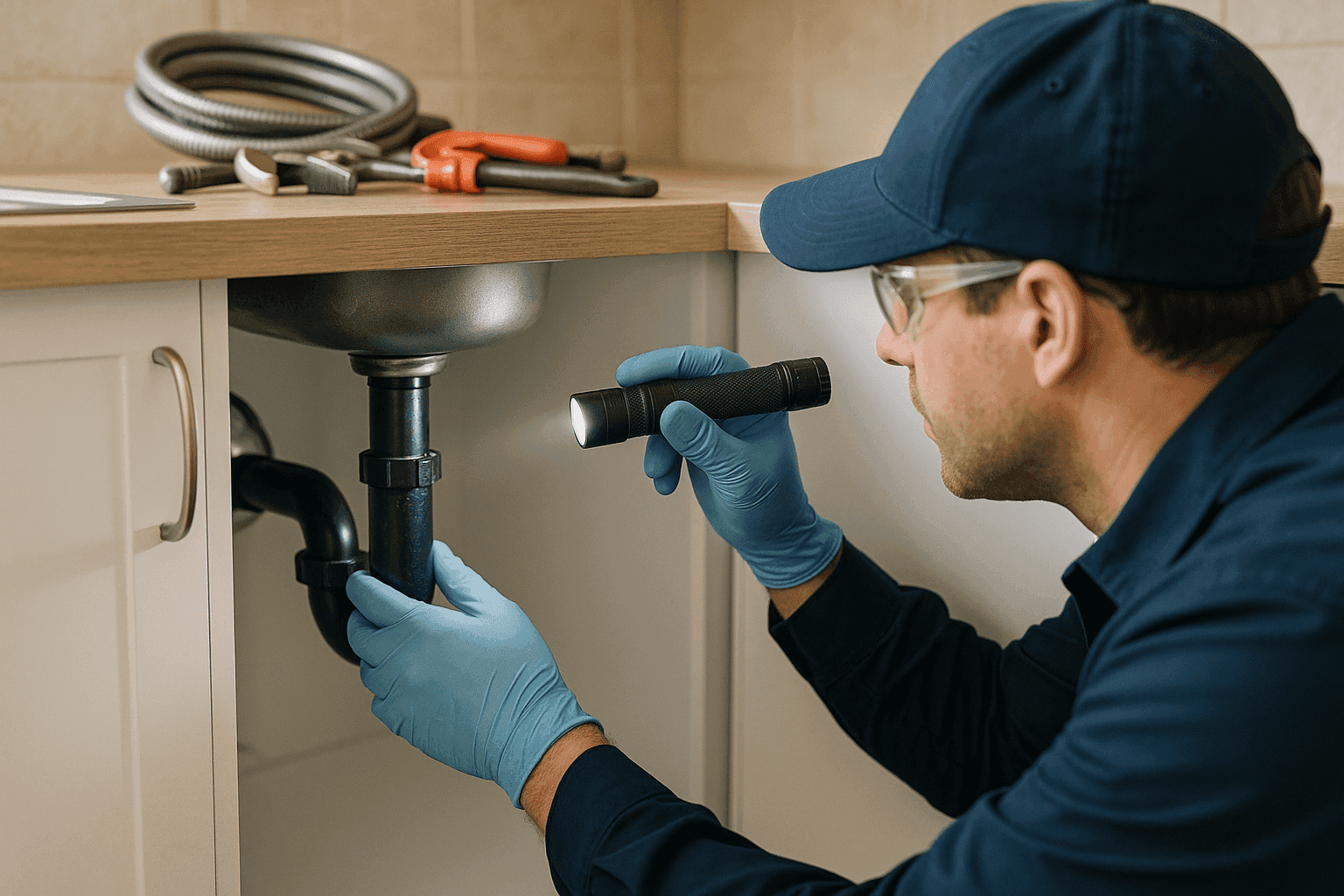
Have you ever opened a water bill and felt your heart drop? Or noticed a mysterious damp patch creeping across your ceiling? Hidden plumbing leaks are silent troublemakers. They work behind the scenes, quietly damaging your home or business until—suddenly—you’re dealing with soaked floors, moldy walls, or worse.
At Hancock Plumbing, we’ve seen firsthand how quickly a small leak can spiral into a major headache. The good news? Catching leaks early can save you time, money, and stress. Here’s how to spot the warning signs, what you can do yourself, and when it’s time to call in the emergency plumbing experts.
The Hidden Leak Problem: Why It Matters
Plumbing leaks don’t always announce themselves with a burst pipe or a puddle on the floor. Most start small, tucked away behind walls, under floors, or in crawl spaces. Left unchecked, even a slow drip can:
- Rot wood and ruin drywall
- Create a playground for mold and mildew
- Spike your water bills
- Damage personal belongings
- Threaten the structural safety of your property
Think of a hidden leak like a tiny termite colony—easy to ignore at first, but devastating over time.
Common Signs of Hidden Leaks
Keep your eyes (and nose) open for these clues:
- Unexplained water bill increases: If your usage habits haven’t changed but your bill has, water may be escaping somewhere out of sight.
- Musty or earthy smells: Mold and mildew thrive in damp, hidden spaces.
- Visible mold or mildew: Especially in corners, under sinks, or along baseboards.
- Damp spots or discoloration: Watch for stains on ceilings, walls, or floors.
- Peeling paint or wallpaper: Moisture can loosen adhesives and warp surfaces.
- Unusual sounds: Listen for the hiss or drip of water behind walls when everything else is quiet.
- Low water pressure: A leak can divert water away from your fixtures.
If you notice any of these, don’t shrug them off. They’re your home’s way of waving a red flag.
Quick Safety Checklist 🛑
Before you go hunting for leaks, take a moment to stay safe:
- Turn off electricity in areas where water is present or suspected.
- Wear rubber-soled shoes if you’re inspecting damp or wet spaces.
- Use a flashlight—never candles or open flames—when checking dark areas.
- Avoid touching wet electrical outlets or appliances.
- Know where your main water shut-off valve is located. You might need to act fast.
If you smell gas, hear hissing, or see sparks, leave immediately and call emergency services.
DIY Leak Detection: What You Can Check Yourself
Sometimes, you don’t need fancy tools—just a sharp eye and a little patience.
Step 1: The Water Meter Test
- Turn off all water-using appliances and make sure no one runs a faucet or flushes a toilet.
- Locate your water meter. Note the numbers displayed.
- Wait 30 minutes (without using any water).
- Check the meter again. If the numbers have changed, water is flowing somewhere it shouldn’t.
Step 2: Inspect Visible Pipes and Fixtures
- Look under sinks: Feel for dampness or look for corrosion.
- Check around toilets: Is there water pooling at the base? Does the floor feel soft or spongy?
- Open cabinets: Musty smells or warped wood are warning signs.
- Scan ceilings and walls: Stains or bubbling paint signal trouble above or behind.
Step 3: Listen and Smell
- Late at night, when the house is quiet, listen for the sound of running or dripping water.
- Sniff near plumbing fixtures: A musty odor can mean water is pooling where it shouldn’t.
DIY vs. Call a Pro: Knowing Your Limits
Some leaks are easy to fix. Others are best left to the professionals.
When DIY Might Work
- Loose connections: Tighten loose nuts under sinks or at the base of toilets.
- Worn washers: Replacing a washer in a dripping faucet is a classic DIY job.
- Minor clogs: Try a plunger or a drain snake for slow drains.
When to Call Hancock Plumbing
- Leaks inside walls or ceilings: These can quickly cause structural damage.
- Recurring leaks: If a problem keeps coming back, there’s likely a deeper issue.
- Low water pressure throughout the building: This could mean a main supply line leak.
- Water heater or boiler leaks: These involve pressurized systems and can be dangerous.
- Sewer line or gas line issues: These require specialized equipment and must meet safety codes (see International Plumbing Code and National Fuel Gas Code for details).
Remember, a quick fix now can save thousands in repairs later.
What Pros Do On Arrival
When you call Hancock Plumbing for emergency plumbing help, here’s what you can expect:
- Rapid assessment: We’ll listen to your concerns and ask about symptoms you’ve noticed.
- Leak detection tools: Using moisture meters, infrared cameras, and acoustic sensors, we pinpoint leaks—even those hidden deep in walls or under slabs.
- Safety checks: We’ll inspect for electrical hazards, gas leaks, and structural risks.
- Targeted repair: Instead of tearing open walls at random, we focus repairs where they’re needed most.
- Code compliance: All repairs and installations meet national plumbing and safety codes.
Our team treats your property with respect and keeps you informed every step of the way.
Prevention & Maintenance: The Best Defense
Just like you get regular checkups at the doctor, your plumbing system needs routine care.
Simple Habits to Prevent Leaks
- Inspect under sinks and around appliances monthly for dampness.
- Check your water heater for rust or pooling water.
- Watch your water pressure: High pressure can strain pipes. Install a pressure regulator if needed.
- Replace old hoses on washing machines and dishwashers every 5 years.
- Don’t ignore small drips: Fix them before they become big problems.
Professional Leak Detection
Scheduling annual leak detection with a licensed plumber can catch issues before they get out of hand. We use advanced tools to spot problems invisible to the naked eye.
Know Your Plumbing Materials
Older homes may have pipes made of materials prone to corrosion or leaks, like galvanized steel or polybutylene. If your building is over 30 years old, consider a plumbing inspection to assess the risk.
Costs & Time Factors
Plumbing repairs aren’t one-size-fits-all. The cost and time depend on:
- Location of the leak: Hidden leaks behind walls or underground are harder to access.
- Severity: A slow drip is quicker (and cheaper) to fix than a burst pipe.
- Type of repair: Replacing a washer takes minutes; repiping a section of your home takes longer.
- Materials needed: Some repairs require special parts or tools.
A minor leak might take less than an hour to fix, while major repairs could stretch over several days. The longer a leak goes unchecked, the higher the repair bill climbs.
When It’s an Emergency 🚨
Some leaks just can’t wait.
Emergency Signs
- Water gushing from a pipe or ceiling
- Flooding near electrical outlets
- Sewage backing up into sinks or tubs
- Water heater leaking rapidly
- Gas odors near plumbing fixtures
If you face any of these, shut off your main water supply and call Hancock Plumbing immediately. Quick action can limit damage and protect your safety.
FAQ: Hidden Plumbing Leaks
How can I tell if I have a leak under my slab?
Look for warm spots on the floor, unexplained moisture, or a sudden drop in water pressure. A professional can confirm with specialized equipment.
Will insurance cover water damage from a hidden leak?
Coverage varies. Many policies cover sudden, accidental leaks but not slow, neglected ones. Check your policy for details.
Can leaks cause health problems?
Yes—mold and mildew from hidden leaks can trigger allergies and respiratory issues, especially in children and those with compromised immune systems.
Is it safe to use DIY leak sealants?
Temporary sealants might slow a leak, but they rarely solve the root problem. For anything beyond a minor drip, it’s safer to call a licensed plumber.
Special Considerations for Leak Detection & Repair
Seasonal Risks
- Winter: Freezing pipes can crack and leak when they thaw. Insulate exposed pipes and let faucets drip during deep freezes.
- Spring: Heavy rains can reveal foundation leaks or overwhelm sump pumps.
- Vacation: If you’re away for extended periods, consider shutting off your main water supply or installing a leak detection system with automatic shutoff.
Commercial Properties
Small businesses face unique challenges. Hidden leaks can disrupt operations or damage inventory. Regular inspections and maintenance are essential for business continuity.
Plumbing Code & Safety
All repairs and installations should comply with the latest International Plumbing Code and National Fuel Gas Code. This ensures your plumbing is safe, efficient, and up to standard.
Don’t let a hidden leak turn into a disaster. Early action is the key to protecting your property and your peace of mind.
Call Hancock Plumbing now — or reach us anytime at 866-565-8061 .