Complete Guide to Preventing Plumbing Emergencies Year-Round
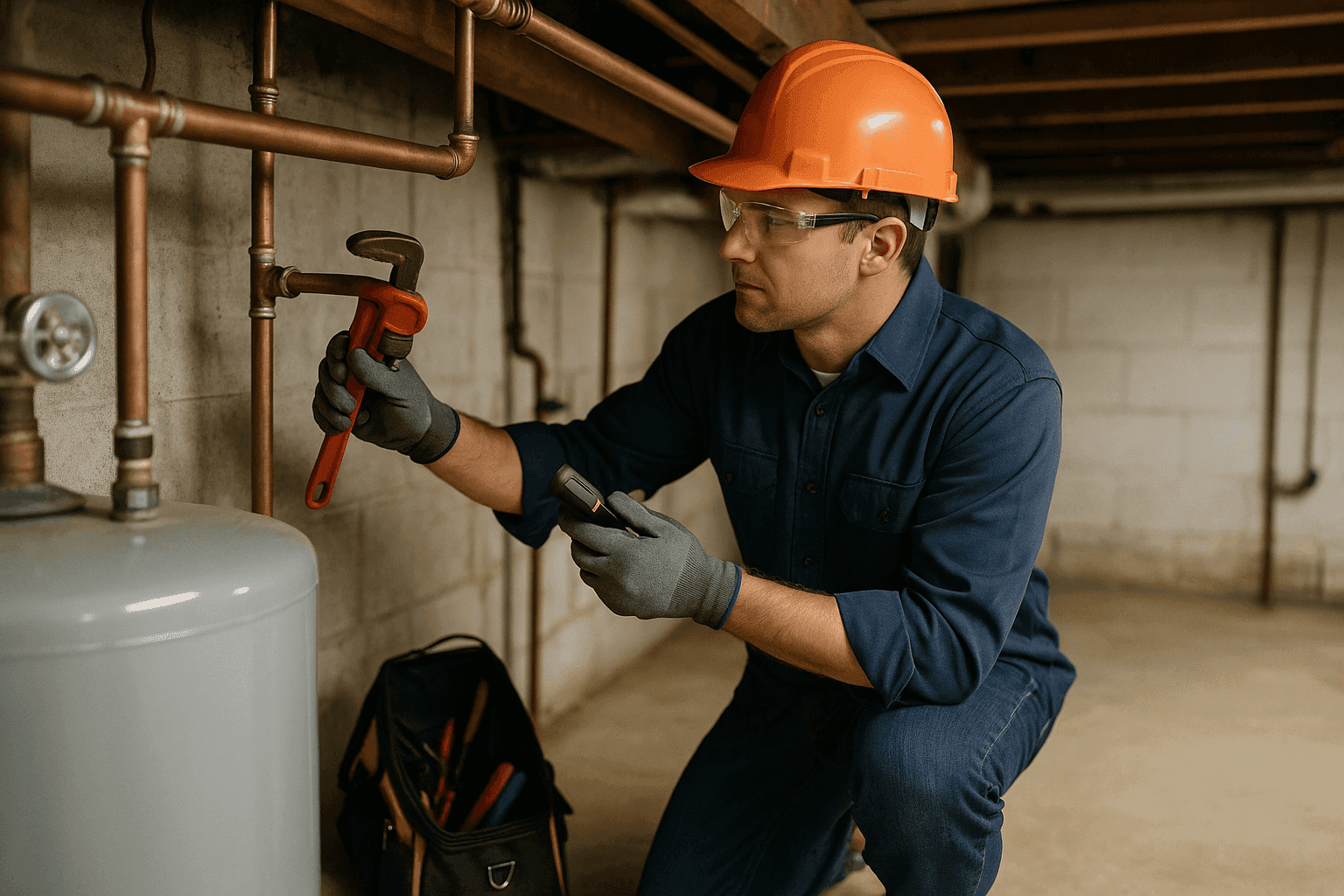
Plumbing emergencies don’t wait for a convenient time. A burst pipe, a leaking water heater, or a clogged drain can throw your whole day off balance. Whether you’re a homeowner or run a small business, the last thing you need is water where it doesn’t belong.
At Hancock Plumbing, we understand how stressful plumbing surprises can be. That’s why we’re sharing practical, trusted advice to help keep your pipes flowing and your property protected—no matter the season.
Why Plumbing Emergencies Happen
Imagine your plumbing like the veins in your body: hidden, crucial, and easy to take for granted. But just like ignoring a cough can lead to bigger health problems, small plumbing issues can grow into emergencies if left unchecked.
Most plumbing crises start with something minor—a drip, a slow drain, a faint gurgle behind a wall. Over time, these hints can turn into major headaches: water damage, mold, ruined floors, or even costly business interruptions. The good news? With a little attention and regular care, most emergencies can be avoided.
Seasonal Plumbing Maintenance Tips 🛠️
Every season brings its own plumbing challenges. Staying ahead of them is like changing your car’s oil before it runs dry. Here’s how to keep your system healthy year-round:
Spring
- Inspect for winter damage: Check pipes, hose bibs, and outdoor faucets for cracks or leaks left by freezing temps.
- Test sump pumps: Pour water into the pit and make sure it cycles on and off. A stuck pump can mean a flooded basement.
- Clean gutters and downspouts: Direct water away from your foundation to prevent leaks.
Summer
- Look for leaks: Check under sinks and around appliances. Warm weather can mask slow drips.
- Maintain water heaters: Flush sediment from your tank to improve efficiency.
- Check for sewer line issues: Heavy rain can overwhelm old lines. Watch for slow drains or foul smells.
Fall
- Insulate pipes: Wrap exposed pipes in unheated areas to prevent freezing.
- Test shut-off valves: Make sure you can turn off water quickly in an emergency.
- Service boilers and water heaters: Prepare for the demands of winter.
Winter
- Prevent frozen pipes: Keep heat on, open cabinet doors, and let faucets drip in extreme cold.
- Monitor for leaks: Sudden drops in temperature can cause hidden cracks to open.
- Check for ice dams: These can force water under shingles and into your attic.
Early Warning Signs of Plumbing Issues
Your plumbing will whisper before it screams. Here’s what to listen for:
- Unusual noises: Banging, gurgling, or whistling pipes.
- Low water pressure: Could signal a hidden leak or clogged pipe.
- Slow drains: One slow drain is annoying; several could mean a main line problem.
- Damp spots or stains: Walls, ceilings, or floors that feel damp or show discoloration.
- Unexplained water bills: A sudden spike might mean water is escaping somewhere.
If you notice any of these, don’t wait. Addressing small issues early can save you from big repairs later.
Quick Safety Checklist for Plumbing Emergencies
When trouble strikes, a calm, quick response can make all the difference. Here’s a safety-first checklist:
- Know where your main water shut-off is: Practice turning it off before you need to.
- Locate gas shut-off valves: For homes or businesses with gas lines, know how to turn them off safely.
- Keep emergency contacts handy: Plumber, utility company, insurance.
- Clear access to critical areas: Don’t block shut-offs or important plumbing fixtures.
- Avoid electrical hazards: Never touch standing water near outlets or appliances.
How to Prepare Your Home or Business for Plumbing Emergencies
Preparation is your best defense. Think of it as installing smoke detectors for your pipes:
- Create an emergency plan: Make sure everyone knows how to shut off water and gas.
- Store important documents safely: Insurance papers, warranties, and emergency contacts.
- Keep basic tools on hand: A wrench for shut-off valves, a plunger, and a flashlight.
- Install water leak detectors: These small devices can alert you to leaks before they cause damage.
- Schedule regular inspections: Annual professional check-ups can spot trouble early.
DIY vs. When to Call a Professional
Some plumbing fixes are as simple as plunging a toilet. Others are more like surgery—best left to trained hands.
Safe DIY Tasks
- Unclogging minor drains: Use a plunger or a drain snake for small blockages.
- Replacing washers or gaskets: Stop a dripping faucet with a quick swap.
- Tightening loose fittings: A gentle hand can stop a slow leak.
Call a Professional For
- Persistent leaks: Water stains, mold, or unexplained dampness.
- Major clogs: If plungers and snakes don’t do the trick, you may have a deeper issue.
- Gas line work: Never attempt to repair or install gas lines yourself. It’s dangerous and often requires permits.
- Water heater or boiler repairs: These systems involve pressurized water and, sometimes, electricity or gas.
- Backflow prevention and testing: Protects your drinking water from contamination.
If you’re ever unsure, it’s safer to let a licensed plumber step in.
What Pros Do On Arrival
When you call Hancock Plumbing for emergency plumbing help, here’s what to expect:
- Assess the situation: We’ll quickly identify the source and extent of the problem.
- Stop the immediate threat: Shut off water, gas, or electricity as needed.
- Explain your options: We’ll walk you through what needs fixing now, and what can wait.
- Use specialized tools: From leak detection equipment to pipe cameras, we bring the right gear.
- Follow safety codes: All repairs meet or exceed plumbing and building code standards (refer to the Uniform Plumbing Code and National Standard Plumbing Code for guidelines).
Our goal is to get your home or business back to normal—safely and efficiently.
Prevention & Maintenance: Your Year-Round Plumbing Health Plan 🧰
Preventative care is like brushing your teeth: a little effort now saves pain (and expense) later. Here’s how to keep your plumbing in peak shape:
Regular Inspections
- Check pipes and fixtures: Look for corrosion, leaks, or loose fittings.
- Test water pressure: High pressure can strain pipes and fixtures.
- Inspect appliances: Dishwashers, washing machines, and water heaters can all develop leaks.
Water Heater Maintenance
- Flush annually: Remove sediment to improve efficiency and lifespan.
- Check temperature settings: 120°F is usually safe and efficient.
- Inspect for rust or leaks: Replace aging units before they fail.
Sump Pump Care
- Test regularly: Pour water into the pit and verify operation.
- Clean the pump and pit: Debris can cause pump failure.
- Check backup power: Especially important for businesses or areas prone to flooding.
Leak Prevention
- Address drips promptly: Even a slow leak wastes water and can cause damage.
- Upgrade old pipes: Consider repiping if you have frequent leaks or aging materials.
- Install water filtration: Protects pipes from mineral buildup.
Winterizing
- Insulate exposed pipes: Especially in attics, crawl spaces, or exterior walls.
- Drain outdoor hoses and faucets: Prevents freezing and bursting.
- Seal gaps and cracks: Keeps cold air away from pipes.
Routine maintenance isn’t just about preventing emergencies—it’s about peace of mind.
Costs & Time Factors
Plumbing emergencies can range from a quick fix to a major project. Here’s what to expect:
- Minor repairs: Fixing a leaky faucet or unclogging a drain might take less than an hour.
- Major repairs: Pipe bursts, sewer line issues, or water heater failures can take several hours—or even days if parts need ordering.
- Costs: Simple fixes are usually affordable. Larger repairs, especially those involving water damage or structural work, can be more expensive.
Regular maintenance helps keep surprises (and costs) to a minimum. Remember, catching issues early often means less time and money spent overall.
When It’s an Emergency
Not every plumbing problem is urgent. But some situations need immediate attention:
- Water is flooding your home or business
- You smell gas or suspect a leak
- No water or dangerously low pressure
- Sewage backing up into sinks, tubs, or toilets
- Frozen or burst pipes
If you’re facing any of these, turn off your main water (and gas, if needed) and call for emergency plumbing help right away.
Frequently Asked Questions
How often should I have my plumbing inspected?
We recommend a professional inspection at least once a year. Older properties or buildings with frequent issues may benefit from more frequent checks.
What’s the best way to prevent frozen pipes?
Insulate exposed pipes, keep your heat on during cold snaps, and let faucets drip during extreme cold. Open cabinet doors under sinks to let warm air circulate.
Can small leaks really cause big problems?
Absolutely. Even a slow drip can lead to mold, rot, and expensive repairs over time. Fix leaks as soon as you notice them.
What should I do if I smell gas?
Leave the building immediately and call your gas utility or emergency services. Do not use electrical switches or phones inside. Safety first.
Special Considerations for Homeowners and Small Business Owners 🏠
Your property is more than just a building—it’s your comfort, your livelihood, your peace of mind.
- Homeowners: Protect your investment by keeping up with routine checks. Don’t ignore small issues.
- Small business owners: Plumbing problems can disrupt operations and impact customers. Schedule maintenance during off-hours to avoid downtime.
- Multi-unit properties: Regular inspections are even more important. One leak can affect many tenants or customers.
Remember, plumbing emergencies rarely give warning. But with a little preparation, you can keep surprises to a minimum and your property safe all year long.
Call Hancock Plumbing now — or reach us anytime at 866-565-8061 .