Choosing the Right Water Filtration System for Your Home
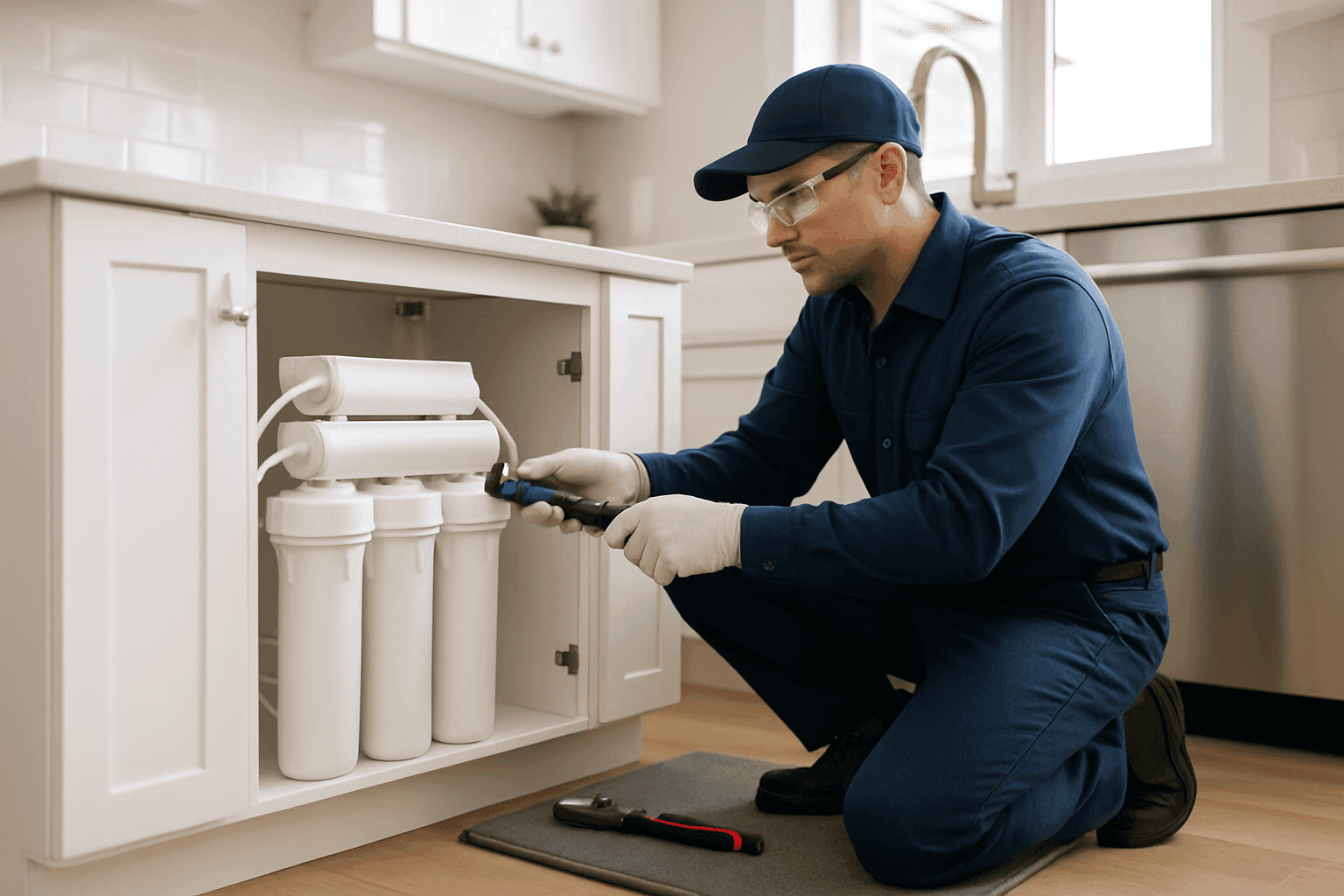
Everyone deserves clean, safe water at home. But have you ever turned on the tap and wondered what’s really flowing out? Or felt that odd smell or taste, and thought, "Is this water okay for my family?"
Water issues don’t keep office hours. At Hancock Plumbing, we see first-hand how water quality varies from street to street, even house to house. Whether you’re dealing with cloudy glasses, strange odors, or just want peace of mind, finding the right filtration system can feel overwhelming—but you’re not alone.
Why Water Quality Matters 💧
Water is the lifeblood of your home. It cooks your meals, keeps you clean, and quenches your thirst. But water isn’t just water. Depending on where you live—city block or country road—what’s in your water can change dramatically.
- City water: Typically treated at municipal plants. That’s a good start, but it can still contain chlorine, sediment, or traces of lead from old pipes.
- Well water: Straight from underground. No city treatment. Can have minerals like iron, bacteria, or even pesticides, depending on your location.
Here’s something to chew on: The U.S. Environmental Protection Agency (EPA) sets limits for over 90 contaminants in drinking water. But even treated water can pick up impurities from aging pipes or local geology.
Over time, exposure to certain contaminants—lead, bacteria, nitrates—can impact your health, especially for kids, elderly, or anyone with a weakened immune system. The stakes are high. This isn’t just about taste. It’s about safety.
Types of Filtration Systems
Not all filters are created equal. Think of them like different locks for different doors—each designed to keep out certain problems.
Common Types
- Activated Carbon Filters: The workhorses. They trap chlorine, sediment, and some volatile organic compounds (VOCs). Great for improving taste and smell.
- Reverse Osmosis (RO) Systems: Picture a super-fine net. RO systems force water through a membrane, removing many dissolved solids—think lead, fluoride, and some bacteria.
- UV Purifiers: Blast water with ultraviolet light to kill bacteria and viruses. Not a filter, but a powerful disinfectant.
- Water Softeners: Designed for hard water—high in minerals like calcium and magnesium. Helps prevent scale buildup in pipes and appliances.
- Whole-House vs. Point-of-Use: Whole-house filters treat all the water coming into your home. Point-of-use filters (under-sink or countertop) focus on specific taps.
Key Filter Features
- NSF/ANSI Certification: Look for filters certified by NSF International or the American National Standards Institute. These aren’t just stickers—they mean the system meets strict safety and performance standards.
- Flow Rate: How fast can the system deliver clean water? Too slow, and you’ll be waiting… and waiting.
- Capacity: Some filters last a few months, others years. Know when you’ll need to swap them out.
How to Choose the Right System
Choosing a filtration system is like buying shoes—fit matters. Here’s how to find the right match for your home:
1. Test Your Water
Start with a water test. You can order a kit or contact your local health department. In many cases, city water reports are available online. For well water, annual testing is a must.
- Look for: Lead, chlorine, bacteria, hardness (minerals), nitrates, iron, arsenic.
- Tip: The EPA and Centers for Disease Control and Prevention (CDC) both recommend regular testing, especially for private wells.
2. Match the Filter to the Problem
- Smelly, odd-tasting water? Activated carbon shines here.
- Bacteria or viruses? Consider UV treatment.
- Hard water? A softener helps.
- Worried about lead or arsenic? Reverse osmosis is your friend.
3. Think About Your Home
- Big family? High water demand? Opt for higher-capacity or whole-house systems.
- Small apartment? A single under-sink filter may do.
4. Check Certification
A certified filter is like a safety seal on a medicine bottle. It tells you the system is tested to remove the contaminants it claims to.
5. Consider Future Maintenance
No filter is forever. Replacement schedules vary—some need new cartridges every few months, others yearly. Ask yourself: Will I remember to change them?
Installation and Maintenance 🛠️
You’ve picked the system. Now what?
Installation Tips
- Under-sink or countertop filters: Many can be installed with basic tools. Make sure to shut off the water supply first.
- Whole-house systems: Usually require cutting into the main water line. It’s best to call a certified plumber—like those at Hancock Plumbing—to ensure safe, code-compliant installation.
- Code Matters: Plumbing codes can vary by region. Some states require backflow prevention devices for certain systems. Always check your local building codes or ask your installer.
Maintenance Basics
- Regular filter changes: Mark your calendar or set a reminder.
- Inspect for leaks: Even a slow drip can cause damage over time.
- Sanitize as needed: Some systems need periodic cleaning. Follow the manufacturer’s instructions.
A well-installed system, maintained properly, can last for years and give you peace of mind.
Cost and Lifespan
Let’s talk brass tacks. What should you expect to pay, and how long will your system last?
Upfront Costs
- Pitcher or faucet filters: Least expensive—often under $100.
- Under-sink/point-of-use: Typically $100–$600, depending on features and capacity.
- Whole-house systems: Range from $800 to several thousand, plus installation.
Ongoing Costs
- Replacement filters: $20–$200 each, depending on system.
- Annual maintenance: Varies by system. Plan for at least one filter change per year.
Lifespan
- Pitcher and faucet filters: Replace every 2–6 months.
- Reverse osmosis/under-sink: Membranes last 1–3 years; pre-filters more often.
- Whole-house systems: Tanks and major parts can last 5–10 years; filters more frequent.
Warranty Information
Many systems offer warranties—some up to five years. Always register your product and keep your receipts. Installers like Hancock Plumbing can help you understand what’s covered and how to keep your system in good standing.
Local and Seasonal Water Quality Considerations 🌎
Water isn’t the same everywhere. Even within the same city, minerals and contaminants can vary—a fact any plumber who’s been on enough house calls can confirm.
- Midwestern homes: Often struggle with hard water and iron.
- Rural wells: Vulnerable to bacteria, nitrates, and pesticides—especially after heavy rains or spring runoff.
- Older neighborhoods: May have legacy lead pipes. Even if city water is safe at the source, it can pick up lead on the way to your tap.
- Coastal areas: Sometimes see higher salt or sulfur content.
Seasonal shifts matter, too. After storms, well water can become turbid or contaminated. Hot summers can trigger algae blooms that affect taste and odor.
Before installing a new system, ask your installer about local water quirks. At Hancock Plumbing, we keep up with regional trends and can help you pick a system that fits your neighborhood, not just your house.
Practical Tips for Homeowners
- Schedule annual water testing—especially for wells.
- Keep a record of filter changes and maintenance.
- If you notice sudden changes in taste, color, or smell, don’t ignore it. Call in a pro for emergency plumbing help.
- Read all manufacturer instructions before installation.
- Ask for installer certification—proper installation is key to long-term safety.
Frequently Asked Questions
Do I need a water filter if I have city water?
It depends on your pipes and your local water report. City water is treated, but it can still pick up contaminants on the way to your home. A filter can improve taste, catch sediment, and block unexpected impurities.
How do I know what’s in my water?
Start with a water test. Many county health departments offer free or low-cost testing. You can also purchase home test kits. The EPA recommends annual testing for wells and reviewing your city’s annual water quality report.
Can I install a system myself?
Some systems—like pitchers or faucet-mounted filters—are simple DIY jobs. Whole-house or under-sink systems, especially those requiring pipe cutting or electrical work, should be installed by a certified plumber to meet code and ensure warranty coverage.
How do I maintain my filtration system?
Change filters on schedule, sanitize if recommended, and inspect for leaks. Maintenance needs vary by system, but skipping filter changes can allow contaminants to slip through.
When to Call for Emergency Plumbing 🚨
If you turn on the tap and see brown, cloudy, or foul-smelling water, don’t wait. Sudden changes could signal a pipe break, sewer line issue, or contamination event. For these, reach out for emergency plumbing right away. Fast action protects your health and your home.
Final Thoughts
Clean water isn’t a luxury—it’s a necessity. Choosing the right filtration system means understanding your water, matching the right technology, and keeping up with maintenance. When in doubt, ask the pros. Certified installers, like those at Hancock Plumbing, can help you stay safe and informed.
Call Hancock Plumbing now — or reach us anytime at 866-565-8061 .