Boiler Repair and Maintenance: Keep Your System Running Year-Round
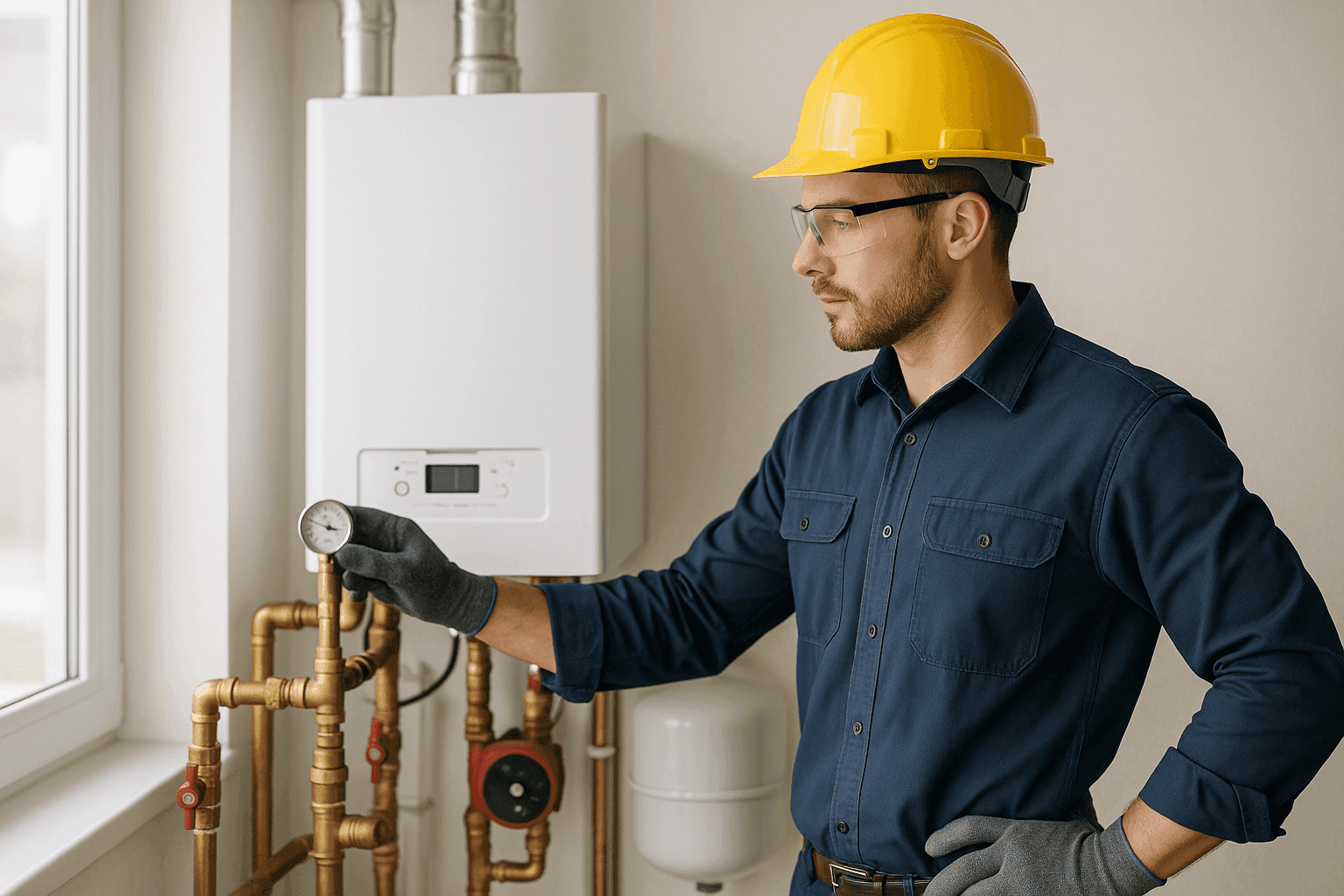
Staying warm isn’t a luxury when winter hits. It’s a necessity. For families relying on boilers, a single breakdown can mean cold nights, frozen pipes, and worries about safety. At Hancock Plumbing, we understand how fast a small issue can become a full-on emergency. That’s why we’re here for emergency plumbing 24/7—so your home stays safe and comfortable, no matter the forecast.
But a working boiler isn’t just about heat. It’s about peace of mind. Let’s break down how your system works, what can go wrong, and what you can do—before you need to call for help.
How Boilers Work
Boilers are like the heart of your home’s heating. Instead of pumping blood, they send hot water or steam through pipes and radiators. This simple cycle keeps cold air at bay and helps prevent burst pipes in freezing weather.
Here’s a quick look at what’s happening behind the scenes:
- A thermostat signals the boiler to fire up.
- Gas or oil burns, heating water inside the boiler.
- That hot water (or steam) moves through pipes to radiators or underfloor heating.
- The system circulates until your home reaches the right temperature.
Unlike forced-air systems, boilers don’t dry out the air. They’re quiet. They’re steady. But like any hardworking appliance, they need regular care to avoid surprise troubles.
Signs Your Boiler Needs Help 🛠️
Boilers tend to whisper before they scream. Catch the warnings early, and you can avoid bigger headaches:
- Odd noises: Banging, whistling, or gurgling usually means trapped air, mineral buildup, or sometimes pump trouble.
- Leaks: Any puddle near your boiler is a red flag. Water leaks can cause rust or even lead to mold.
- Low pressure: If your radiator isn’t getting hot, check the pressure gauge. It should usually be between 1 and 2 bars (see your boiler’s manual).
- No heat or hot water: The most obvious sign. If you’re shivering or the shower’s icy, something’s wrong.
- Yellow flame: A boiler should burn with a steady blue flame. Yellow or orange can signal dangerous carbon monoxide. If you see this, turn off the boiler and get everyone out—then call for emergency plumbing help.
- Frequent resets: If you’re constantly hitting reset, your boiler needs attention.
- Radiators cold at the top: This can mean air is trapped. Bleeding radiators often solves it.
Trust your instincts. If something feels off, it’s better to be cautious.
DIY Maintenance Tasks
You don’t need to be a plumber to keep your boiler in check. Regular attention goes a long way.
Bleed Your Radiators
When radiators have trapped air, they won’t heat evenly. Use a radiator key to slowly release air until water drips out. Do this once or twice a year—especially before winter.
Check the Pressure
Most boilers have a simple dial with a green zone (usually 1–2 bars). If pressure is too low, follow your manual’s steps to top up. Too high? Release a little water from the radiator valve.
Inspect for Leaks
Every month or so, look for damp spots around the boiler and pipes. Early leaks are easier and cheaper to fix.
Listen for Noises
If you hear new sounds—knocking, gurgling, or whistling—don’t ignore them. Write down when you hear them to help diagnose the issue.
Test Your Carbon Monoxide Alarm
Carbon monoxide is odorless and deadly. Test the alarm monthly and replace batteries every year. If you don’t have one near your boiler, install one today.
Keep Vents Clear
Don’t let boxes, towels, or clutter block any air vents or intake pipes. Boilers need to “breathe” to work safely.
Note: Always follow your boiler’s manual. If you’re ever unsure, or if you smell gas, leave the area and call for professional help right away.
When to Call a Pro
Some problems can’t wait. Here’s when to hand things over:
- Any gas smell: Leave your home and call emergency services.
- Persistent leaks: Water can damage floors and walls fast.
- No heat during a freeze: Pipes can burst in hours if the system fails.
- Boiler keeps shutting off: Repeated resets often mean a deeper problem.
- Strange smells or colors: Burning, rotten eggs, or smoke—these are urgent.
- Carbon monoxide alarms: If it goes off, get outside and call for help.
At Hancock Plumbing, our licensed and insured professionals handle emergencies day or night. We’re trained to spot hidden dangers and fix them safely.
Seasonal and Emergency Tips ❄️
Our cold climate means your boiler works overtime in winter. Just like a car, it needs extra care when temperatures drop.
Before Winter
- Schedule a professional inspection: Annual checks spot issues before they become emergencies. The National Board of Boiler and Pressure Vessel Inspectors recommends yearly maintenance.
- Bleed all radiators: Do this before the first cold snap.
- Insulate pipes: Especially if they run through garages, crawlspaces, or attics.
- Test your thermostat: Make sure it triggers the boiler.
During Severe Weather
- Keep the boiler running: It’s better to lower the temp a bit than to turn it off completely.
- Watch for frozen pipes: If you see frost or a sudden drop in water pressure, call for help.
- Know how to shut off the boiler: In case of leaks or emergencies, you should know where the cutoff valve is.
If the Boiler Fails
- Stay warm: Use blankets and portable heaters safely (never leave them unattended).
- Prevent frozen pipes: Open cabinet doors to let warm air reach pipes, and let faucets drip slightly.
Peace of Mind and Practical Routines
A healthy boiler is invisible. You don’t think about it until something’s wrong. But with a few regular habits, you can keep breakdowns rare—and know what to do if the system acts up.
Remember, Hancock Plumbing is always available for emergency plumbing, water heater repair near you, and every boiler issue. We’ve helped households across every cold snap, power outage, and unexpected breakdown.
FAQ
How often should I service my boiler?
Once a year. This keeps the warranty valid and spots small issues before they become big ones.
What’s the average lifespan of a residential boiler?
Most last 10–15 years. Regular maintenance can help yours run longer.
Is it safe to do repairs myself?
Simple checks—bleeding radiators, checking pressure—are fine. Anything involving gas, wiring, or major leaks should be left to professionals.
Why does my boiler make banging noises?
This is often called “kettling.” It’s caused by mineral buildup restricting water flow. It should be looked at by a plumber.
Local and Seasonal Considerations 🌨️
Living in a cold climate means your boiler isn’t just for comfort—it’s a line of defense against frozen pipes and water damage. If you’re planning to be away during winter, don’t turn your heat all the way off. Set your thermostat to at least 55°F (13°C) and ask a neighbor to check in if temperatures plummet.
When ice storms or power outages hit, boilers with electric ignition won’t run until power returns. When it does, check for leaks or strange noises before letting the system run for hours.
Keep a trusted emergency plumbing number handy. That way, you’re not scrambling if something goes wrong in the middle of the night.
A safe, warm home starts with a healthy boiler. For repairs, inspections, or emergency plumbing, Hancock Plumbing is here—day and night.
Call Hancock Plumbing now — or reach us anytime at 866-565-8061 .