Bathroom Plumbing Issues: DIY Fixes and When to Call a Pro
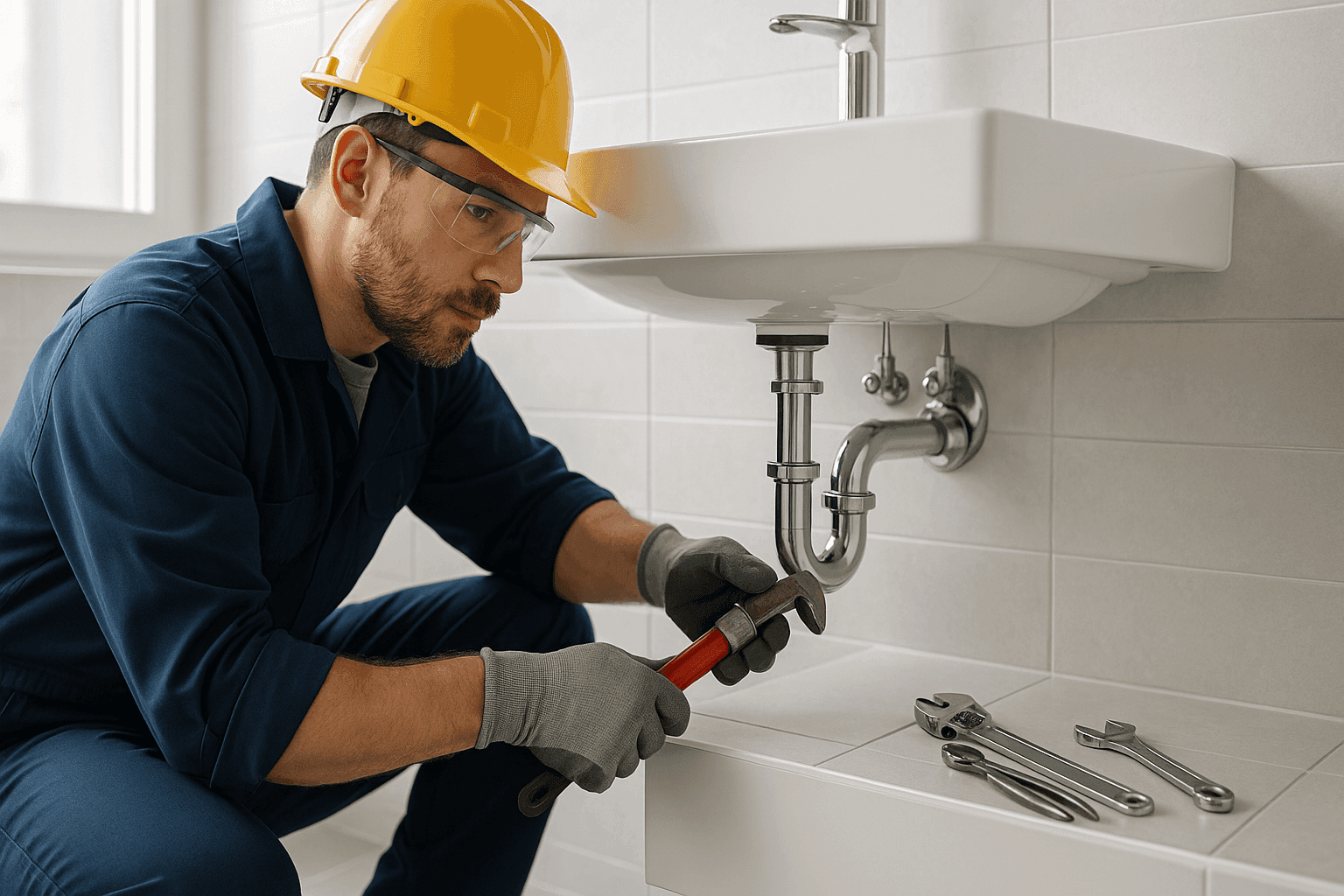
Every homeowner faces a drippy faucet, a running toilet, or a mysterious puddle under the sink at some point. It’s frustrating—especially when you’re not sure if it’s a quick fix or something that could flood your entire bathroom. At Hancock Plumbing, we know how stressful bathroom plumbing issues can be. That’s why we’ve put together this guide: to give you the confidence to know when a DIY approach is safe and when it’s time to call for emergency plumbing help.
Let’s walk through the most frequent bathroom problems, simple repairs you can do, and signs that you need a pro. We’ll also share advice tailored for homes with older plumbing and water quality quirks.
Frequent Bathroom Plumbing Problems 🚿
Some issues pop up more than others in residential bathrooms. Here’s what we see most often:
- Toilet running nonstop – Like a marathoner who never quits, your toilet wastes gallons if the flapper or fill valve isn’t sealing right.
- Sink leaks – Drips under the vanity or from the faucet can start small, but left unchecked, they’ll warp cabinets and invite mold.
- Shower drips – That slow, rhythmic drip-drip from the showerhead isn’t just annoying—it can drive up your water bill.
- Clogged drains – Hair, soap, and toothpaste team up to form stubborn blockages in sinks, tubs, and showers.
- Low water pressure – A weak stream can mean buildup inside pipes, leaky valves, or even a hidden leak behind the wall.
- Strange noises – Banging, whistling, or gurgling pipes? That’s your plumbing’s way of crying out for attention.
Older homes—especially those with galvanized pipes or hard water—may see these problems more often. If your pipes are as old as your favorite retro radio, pay close attention.
DIY Repairs You Can Try
Not every plumbing problem calls for a professional. Some fixes are as simple as flipping a switch or tightening a nut. Here’s what you can do safely:
Toilet Running
- Check the flapper: Open the tank and see if the rubber flapper is sealing the flush valve. If it’s warped or brittle, replace it—no tools needed.
- Adjust the float: If water's too high, gently bend the float arm down or twist the adjustment screw.
- Tighten the chain: Make sure the chain isn’t too slack or too tight.
Sink Leaks
- Look under the sink: Is water pooling around the P-trap or shutoff valves? Tighten slip nuts by hand, then gently with pliers if needed.
- Replace washers: Dripping faucet? Turn off the water supply, remove the handle, and swap out a worn washer or cartridge.
Shower Drips
- Change the washer or cartridge: Shut off water, remove the handle and trim, and swap the faulty part. Always use a towel to avoid scratching fixtures.
Clogged Drains
- Use a plunger: For sinks and tubs, cover the overflow with a wet rag and plunge firmly.
- Try a drain snake: Feed it into the drain, twist, and pull out hair and gunk.
- Avoid chemical cleaners: They can eat away at pipes, especially older metal ones.
Safe Tool Use Tips
- Always shut off the water before starting any repair.
- Keep a towel and bucket handy for drips and spills.
- Use adjustable pliers, not brute force—pipes can crack if overtightened.
Remember: If you feel unsure, it’s safer to pause and call a plumber.
When to Call a Plumber
DIY fixes have their limits. Some bathroom plumbing problems need a licensed technician—especially if you value your home (and your sanity).
Call Hancock Plumbing if:
- Water keeps leaking after you’ve tightened connections.
- You spot water stains or bulges in walls or ceilings.
- There’s a strong, musty smell—mold could be hiding out of sight.
- The toilet overflows despite plunging.
- You hear gurgling or bubbling in multiple drains at once.
- Pipes are visibly corroded, rusting, or sweating.
- You need Water Heater Repair near you or suspect a gas leak (call 911 first if you smell gas).
- Your home’s plumbing is older or made from outdated materials (like lead or galvanized steel).
A professional brings not just the right tools, but years of experience. We know how to trace leaks behind walls, inspect sewer lines, and repair or replace problem pipes—following local plumbing code and safety guidelines set by the International Association of Plumbing and Mechanical Officials (IAPMO).
Preventing Future Issues 🛠️
An ounce of prevention beats gallons of cleanup. Here’s how you can keep your bathroom plumbing in top shape:
- Check for leaks monthly. Look under sinks, around toilets, and behind washing machines.
- Clean drains regularly. Use a hair catcher in shower and tub drains.
- Don’t flush wipes or feminine products. Even “flushable” wipes can clog pipes.
- Monitor water pressure. If it suddenly drops or spikes, get it checked—it could signal a leak or failing pressure regulator.
- Schedule annual inspections. A pro can catch small issues before they become emergencies.
For homes with older plumbing, consider upgrading fixtures and pipes. Modern materials like PEX and copper resist corrosion and handle water quality challenges better.
Emergency Plumbing: What to Do
Some situations can’t wait. If you have a burst pipe, sewage backup, or gushing leak:
- Shut off the main water supply—usually found near the water meter.
- Turn off electricity if water is near outlets or appliances.
- Move valuables away from the leak.
- Call Hancock Plumbing immediately for emergency plumbing assistance.
These steps buy precious time and minimize damage until help arrives.
Local and Seasonal Considerations
In our area, older homes may have unique plumbing quirks. Hard water causes mineral buildup in pipes and fixtures, especially in neighborhoods with aging infrastructure. Cold winters can freeze pipes, and shifting soil can stress underground lines. If you notice changes in water color, taste, or smell, ask about water filtration systems or backflow prevention to protect your family.
FAQ
Q: Why does my toilet keep running even after I replaced the flapper?
A: The fill valve may be sticking, or the chain could be misadjusted. Sometimes sediment in the tank prevents a good seal—clean or replace as needed.
Q: Can I use chemical drain cleaners for slow drains?
A: It’s best to avoid them. Chemicals can damage pipes, especially older metal ones. Use a plunger, drain snake, or call for professional drain cleaning.
Q: How do I know if a leak is hidden behind the wall?
A: Watch for bubbling paint, soft drywall, or a musty odor. An experienced plumber uses moisture meters and leak detection tools to find the source.
Q: What’s the average life span of bathroom plumbing?
A: Galvanized pipes last 40–50 years, copper 50–70 years, PEX even longer. If your home is older, periodic inspections are smart preventive care.
Building Confidence and Safety
Dealing with bathroom plumbing problems doesn’t have to be overwhelming. With a few tools, a little knowledge, and the right safety steps, many simple issues are within reach. But when the water won’t stop or you spot signs of bigger trouble, don’t risk it—call in the pros. Hancock Plumbing’s licensed technicians are ready for anything your bathroom throws at us.
Call Hancock Plumbing now — or reach us anytime at 866-565-8061 .